EU warns of impersonation scams after MiCA deadline
Fraudsters are impersonating EU regulators and crypto firms to target customers forced to move assets after providers failed to secure MiCA licenses by the July 1 deadline.
European regulators have reported a rise in scams since the July 1 Markets in Crypto-Assets (MiCA) licensing deadline. Fraudsters are impersonating national regulators and crypto firms to trick customers into sending funds to fake websites and accounts.
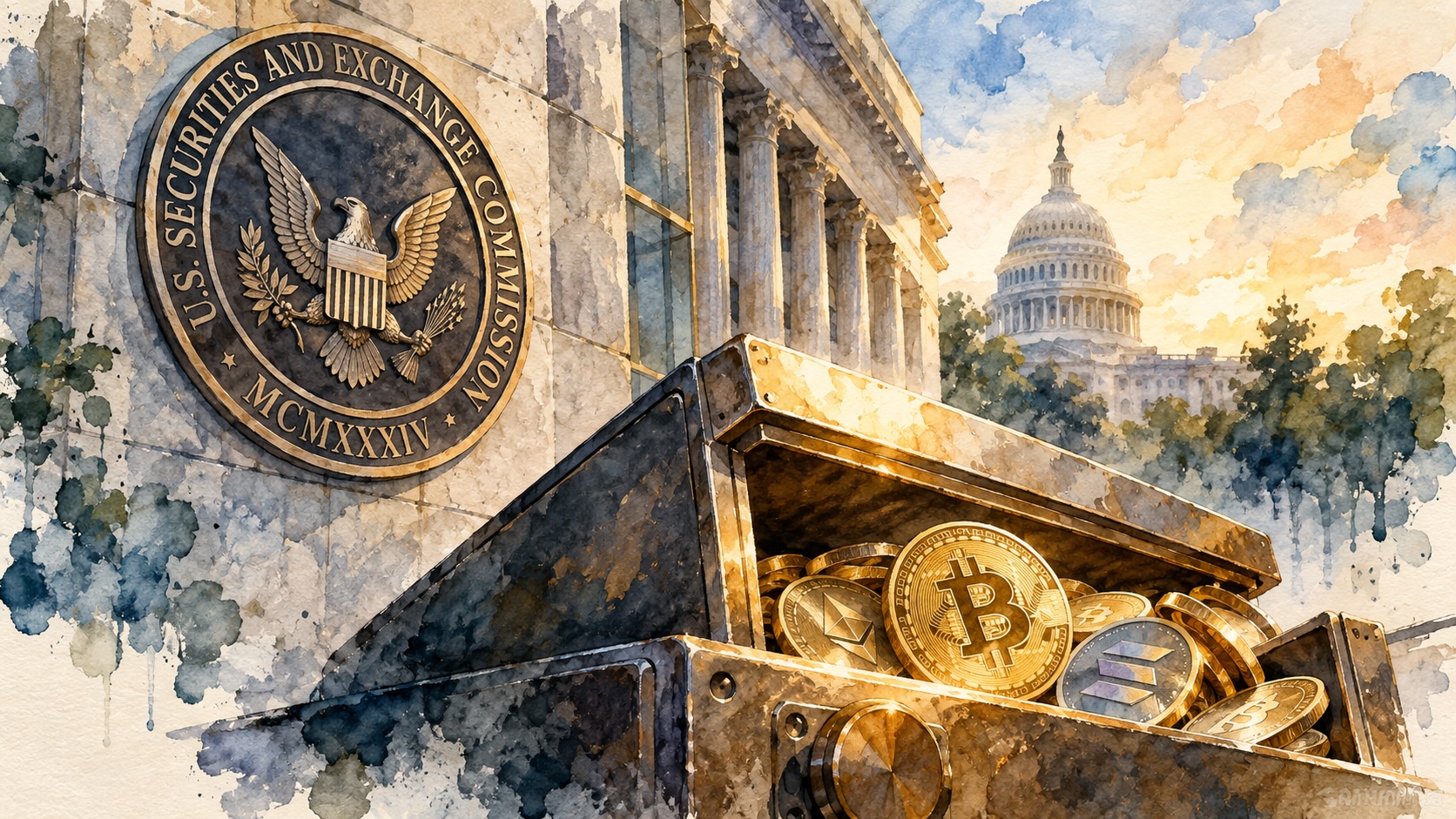
France’s Autorité des Marchés Financiers (AMF) and the European Securities and Markets Authority (ESMA) have flagged multiple incidents. Stéphane Pontoizeau, an AMF official, reported that the regulator ‘encountered cases in which fraudsters impersonated AMF representatives and directed users to transfer assets via counterfeit websites.’ ESMA reported misuse of its name and logo, including falsified documents, and warned that ‘criminals may target customers searching for an alternative licensed provider.’
Under MiCA, crypto-asset service providers had to obtain authorization to operate in the EU by July 1. Firms that failed to secure licenses must wind down or reorganize their EU operations, creating a group of customers who need to move assets to authorized platforms or custodians.
ESMA’s list, updated at the end of July, shows 323 firms had obtained MiCA licenses. Data provider VASPnet estimated that more than 1,700 unlicensed companies would need to stop serving EU clients or change how they operate.
Regulators described several scam methods: counterfeit websites and documents that mimic regulator or company branding, messages impersonating officials, and transfer instructions that route funds to fraudulent wallets. Authorities said these tactics exploit customer confusion while they seek new providers and verify licences.
Regulators continue to monitor reported incidents and update public lists of authorized firms to help consumers identify legitimate operators. The AMF has documented cases of impersonation to raise awareness among users.
The material on GNcrypto is intended solely for informational use and must not be regarded as financial advice. We make every effort to keep the content accurate and current, but we cannot warrant its precision, completeness, or reliability. GNcrypto does not take responsibility for any mistakes, omissions, or financial losses resulting from reliance on this information. Any actions you take based on this content are done at your own risk. Always conduct independent research and seek guidance from a qualified specialist. For further details, please review our Terms, Privacy Policy and Disclaimers.
Articles by this author