EU targets 2027 to centralize market oversight under ESMA

EU financial services chief Maria Luis Albuquerque expects market-integration reforms to start by 2027, shifting more supervision to ESMA if Parliament and the Council back the plan.
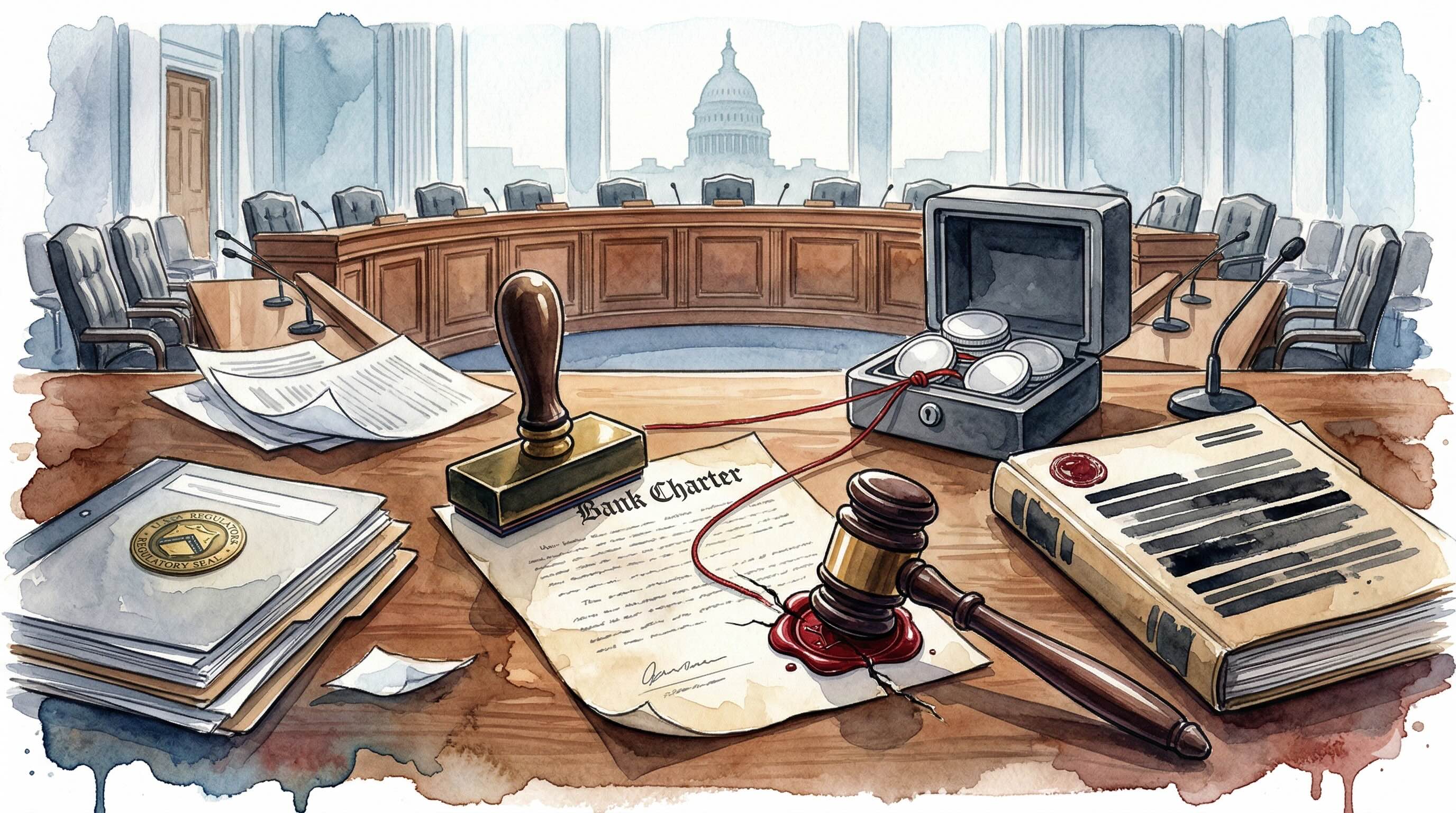
The European Union is targeting 2027 to begin implementing market-integration reforms that would centralize market supervision under the European Securities and Markets Authority, pending approval by the European Parliament and the Council, according to EU financial services chief Maria Luis Albuquerque.
According to Bloomberg, she indicated the European Commission wants the package discussed and approved as early as possible, adding that starting implementation by 2027 “would be really great.” The reforms are designed to knit together the bloc’s fragmented capital markets and direct more household savings into investment.
The Commission set out plans to transfer greater supervisory and enforcement powers to ESMA, the Paris-based markets regulator. The stated goals include higher returns for savers, easier access to funding for companies, and stronger economic growth across the bloc.
Political agreement from lawmakers and EU governments is required, and resistance has emerged in some member states. Albuquerque pointed to a “lot of prejudice against what we may be proposing,” adding that some commentary has been made “without actually looking into the detail of the proposal.”
Under the plan, ESMA would directly oversee major market infrastructure, including significant clearing houses, central securities depositories, and trading venues. Crypto firms, currently under national oversight under a regime introduced less than a year ago, would shift to ESMA’s remit. A new category of “pan-European market operators” would be able to operate across the EU with a single authorization, with ESMA acting as lead supervisor.
Incremental changes will not meet the EU’s objectives for its capital markets, Albuquerque argued. “Tweaking at the margins is not going to deliver the results we need,” she said. “This is not something we can fix with minor adjustments, this has to be a fundamental overhaul of all this space, and that is what we are proposing.”
The EU has also committed to a full review of its banking rulebook by the end of next year, amid concerns from lenders about competitiveness in a global environment of deregulation. Albuquerque noted that “nothing is off the table,” while adding that bonus caps have not been raised in discussions, even after the UK ended its banking pay cap in 2023.
The European Central Bank is expected to present ideas on Thursday to simplify banking regulation, and those proposals will inform the Commission’s review.
As we reported earlier, Poland’s lower house on December 5, 2025 failed to override President Karol Nawrocki’s veto of the Crypto‑Asset Market Act, a bill aligning rules with the EU’s MiCA. The veto leaves Poland the only EU state without MiCA implementing rules, with crypto firms in limbo.
Prime Minister Donald Tusk called the law a national security matter, citing oversight gaps exploited by entities linked to Russia and Belarus. The presidency cited rights concerns, website blocking, and supervisory fees that could disadvantage startups. The government is weighing a redraft after security services flagged a group allegedly paid in cryptocurrencies.
The material on GNcrypto is intended solely for informational use and must not be regarded as financial advice. We make every effort to keep the content accurate and current, but we cannot warrant its precision, completeness, or reliability. GNcrypto does not take responsibility for any mistakes, omissions, or financial losses resulting from reliance on this information. Any actions you take based on this content are done at your own risk. Always conduct independent research and seek guidance from a qualified specialist. For further details, please review our Terms, Privacy Policy and Disclaimers.
Articles by this author