Ethereum 2025 wrap-up: Buterin on usability and decentralization

Ethereum co-founder Vitalik Buterin posted on X in a message that reads like a 2025 wrap-up and a set of goals for 2026.
Buterin said the network got faster and more reliable over the past year. Running nodes and client software has become easier, and scaling work has matured, including progress around zkEVM efforts.
He then shifted from metrics to intent. In his view, Ethereum shouldn’t judge success by raw activity or winning the next meta. The chain has to meet two requirements at the same time.
First, it needs to be usable, and stay usable at real scale. Second, it needs to be genuinely decentralized. That expectation applies to the base layer as well as the app layer. On the infrastructure side, it includes clients, nodes, and the tools people use to connect. On the app side, he pointed out that many dApps still lean on centralized front ends, hosting, RPC providers, and other choke points that can become control points.
A related priority, he wrote, is lowering the barrier for people who want to run and verify the network themselves instead of trusting “as-a-service” setups.
As a practical yardstick, he again referenced the “walkaway test.” A decentralized app, by his definition, should keep working even if the original team disappears or stops maintaining it. Users shouldn’t be trapped by a company, a domain, or a support desk. The same logic extends to surrounding infrastructure: an outage at a major provider or an attack on a popular service shouldn’t break access to a dApp in a way users can actually feel.
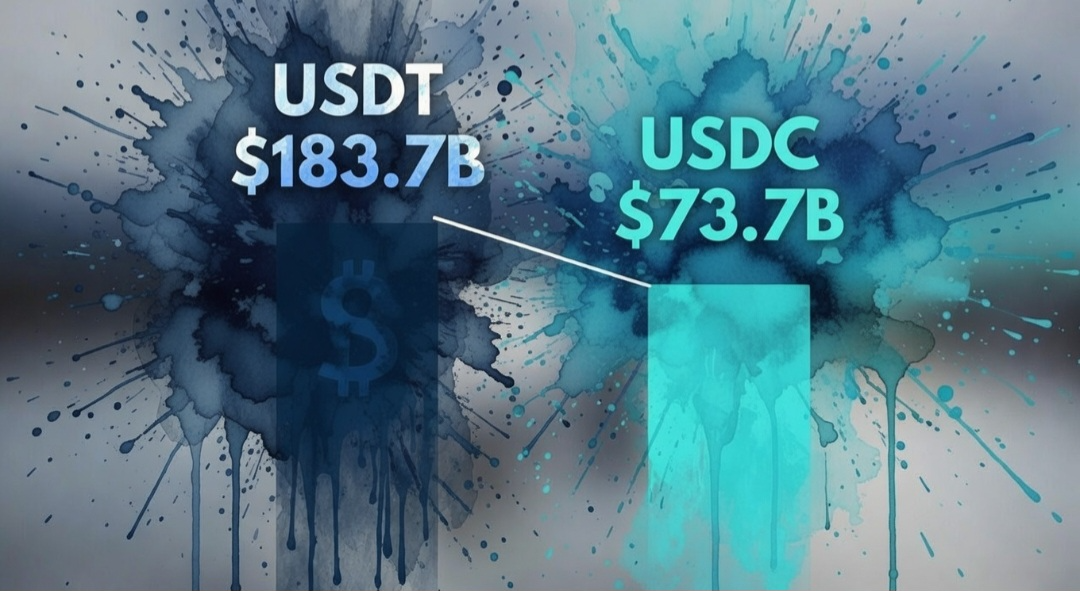
Buterin also warned against chasing whatever is trendy. He cited hype around tokenized dollars, political memecoins, and efforts to artificially “fill blockspace” just to steer the conversation about ETH’s monetary model. Instead, he argued for returning to Ethereum’s “world computer” mission: infrastructure for a more open internet. In his framing, that means apps that can operate without fraud, censorship, or third‑party interference, and that matter beyond finance, including identity, governance, and other digital public goods.
He ended by outlining the near-term target for the year ahead: key pieces are improving already, but they need to improve more, and faster. The ecosystem has enough tools, he said. The job now is to use them so usability gains don’t turn Ethereum into another subscription-style service, and decentralization shows up in everyday user experience.
The material on GNcrypto is intended solely for informational use and must not be regarded as financial advice. We make every effort to keep the content accurate and current, but we cannot warrant its precision, completeness, or reliability. GNcrypto does not take responsibility for any mistakes, omissions, or financial losses resulting from reliance on this information. Any actions you take based on this content are done at your own risk. Always conduct independent research and seek guidance from a qualified specialist. For further details, please review our Terms, Privacy Policy and Disclaimers.
Articles by this author