Competing views of resilience drive Ethereum versus Solana rivalry
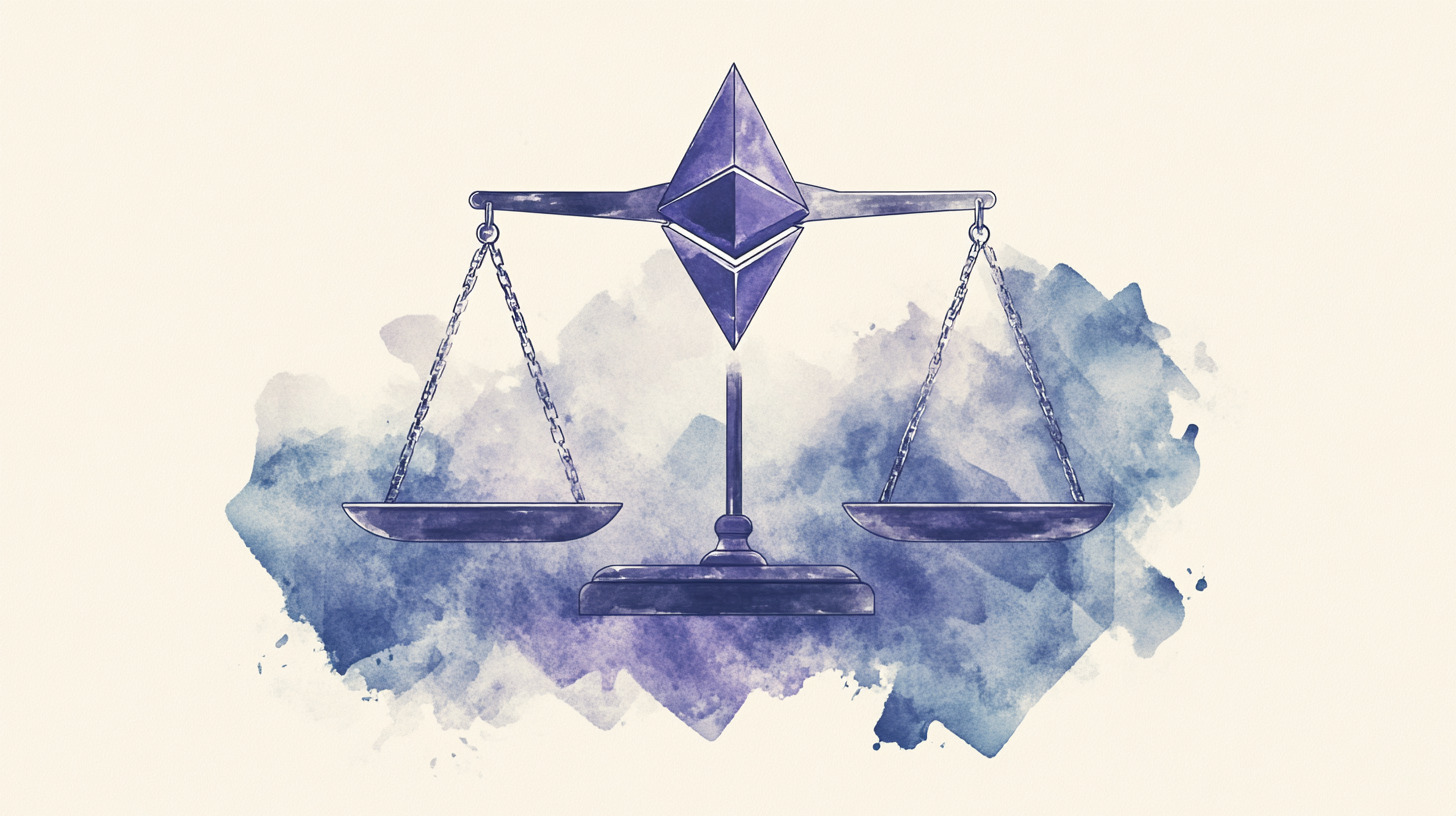
Ethereum and Solana advocates are using different definitions of “resilience” to benchmark progress in early 2026: Ethereum points to security-first modular scaling and validator diversity, while Solana highlights uptime improvements, throughput, and user-facing performance after a year of stress-testing.
Ethereum’s camp places resilience in the security/decentralization bucket. Developers argue that the network’s modular roadmap – keeping Layer-1 conservative while shifting scale to Layer-2 via EIP-4844/Proto-Danksharding and upcoming PeerDAS – hardens the base chain and reduces systemic risk, even if user transactions settle off-chain first. Vitalik Buterin has framed this as addressing the long-standing “trilemma,” with zkEVMs and data-availability upgrades meant to scale without weakening core guarantees.
Solana’s camp treats resilience as sustained performance under load. After the February 2024 outage, core contributors and ecosystem projects focused on congestion fixes, client diversity (including Firedancer/Frankendancer work), and handling traffic spikes from retail-heavy flows. Reporting through 2025–2026 notes 100% uptime over recent 90-day windows, rising DEX volumes, and continued efforts to harden the stack while keeping fees low.
The divide maps to architecture. Ethereum’s modular approach distributes execution across rollups that inherit L1 security; resilience means the base chain remains conservative while Layer-2s compete on speed, cost, and features. Solana’s monolithic design aims for high throughput on L1, so resilience is measured by validator client diversity, network stability under surges, and the ability to absorb app-driven bursts without degrading user experience. Industry commentary throughout 2025 captured that coexistence rather than displacement is the likely outcome as both models mature.
Market and policy context matter for each definition. Ethereum’s narrative resonates with institutions that want auditability and settlement finality as tokenization pilots expand on mainnet and L2s; recent enterprise coverage emphasized Ethereum as the default for regulated issuers with DA on the roadmap. Solana’s narrative leans on retail adoption, low-latency markets, and app revenue/volume milestones that rewarded performance tuning across 2025.
Quotes from prior coverage illustrate the split. In December 2025, Ethereum developers described resilience as “engineering for worst-case outcomes” while building DA and ZK stacks that preserve decentralization as activity scales. Solana-side builders described resilience as “staying up when it’s busy,” pointing to months-long uptime streaks and the push to diversify clients beyond the reference implementation.
Looking ahead, both ecosystems are set to test their definitions. For Ethereum, the next checkpoints are broader PeerDAS adoption and continued rollup cost compression to keep users on L2 while maintaining L1 conservatism. For Solana, the milestones are further client diversification (Firedancer in production), consistent throughput during retail cycles, and keeping recent uptime streaks intact. Analysts covering both chains stress that “resilience” will remain a moving target shaped by real-world traffic, rather than a single metric.
The material on GNcrypto is intended solely for informational use and must not be regarded as financial advice. We make every effort to keep the content accurate and current, but we cannot warrant its precision, completeness, or reliability. GNcrypto does not take responsibility for any mistakes, omissions, or financial losses resulting from reliance on this information. Any actions you take based on this content are done at your own risk. Always conduct independent research and seek guidance from a qualified specialist. For further details, please review our Terms, Privacy Policy and Disclaimers.
Articles by this author