Eric Trump accuses big banks of blocking stablecoin yields through Clarity Act
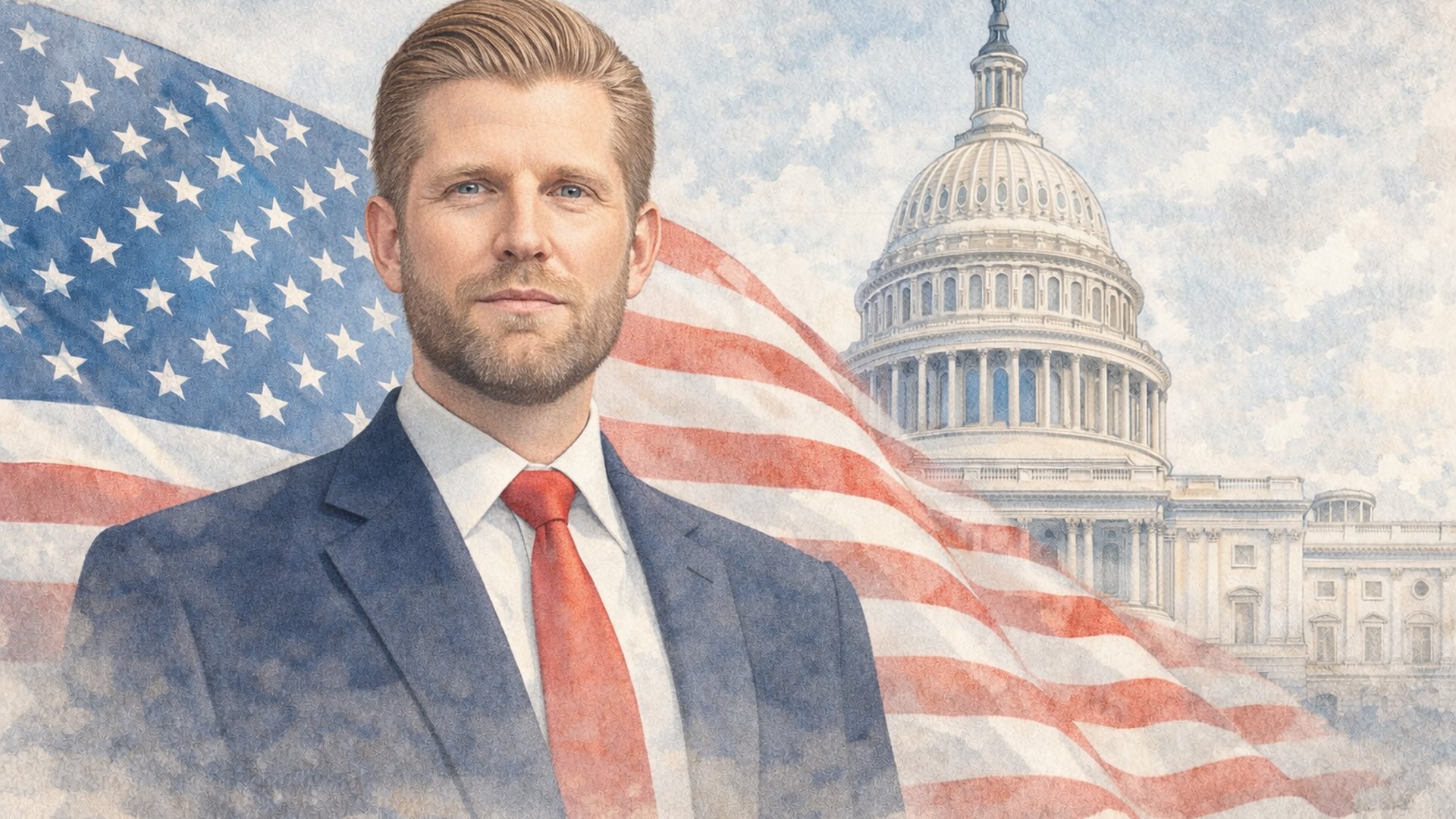
Eric Trump alleged on X that JPMorgan, Bank of America and Wells Fargo are pushing the Clarity Act to stop U.S. crypto platforms from paying 4%–5% interest on stablecoin balances.
Eric Trump, son of the U.S. president, accused JPMorgan Chase, Bank of America and Wells Fargo of pressing lawmakers to block U.S. crypto platforms from paying 4%–5% interest on stablecoin balances, asserting the effort runs through the Clarity Act.
In the post, he argued that big banks and allied trade groups aim to shut down yield-bearing stablecoin accounts that crypto firms plan to offer U.S. customers, describing the products as a way for savers to earn more than typical bank accounts. He contended the push is about preserving deposit bases.
He said large banks are lobbying hard to stop Americans from getting higher yields on their savings and to shut down customer rewards and perks. Trump argued that banks pay near-zero savings rates – about 0.01% to 0.05% APY – while collecting roughly 3.65% from the Federal Reserve on balances they hold at the central bank. He called the push an effort to protect a low‑rate monopoly and said it is anti-retail, anti-consumer, and anti-American.
Banks and banking groups counter that interest-bearing stablecoin accounts could pull large amounts of deposits from insured institutions and create new risks if not regulated like bank products.
Earlier this week, JPMorgan CEO Jamie Dimon said there should be a level playing field, arguing that stablecoin platforms paying interest on customer balances should be regulated the same way as bank deposits. Patrick Witt, executive director of the President’s Council of Advisors for Digital Assets, disagreed, saying that paying yield by itself doesn’t require bank-like oversight unless the platform is lending out or rehypothecating the dollars that back those balances.
Policy discussions over the Clarity Act have slowed as lawmakers, regulators, banks and crypto firms debate how interest-bearing stablecoin accounts should be structured and supervised. According to people involved in the talks, the White House has organized high-level meetings between traditional finance and digital asset companies. Participants describe narrowing differences in recent weeks, with no final agreement.
Trump’s comments come as he builds a profile in digital assets. He is a co-founder of World Liberty Financial, a crypto platform that issues the USD1 stablecoin and the WLFI token. The Trump family’s role in the venture has drawn criticism from ethics advocates and political opponents over potential conflicts of interest for the sitting president.
Stablecoins are cryptocurrencies designed to keep a fixed value, often pegged to the U.S. dollar and backed by cash and short-term Treasuries. Some crypto firms have proposed sharing part of the yield from those reserves with customers who hold stablecoin balances on their platforms, typically in the 4%–5% range referenced by Trump. Traditional banks maintain that if platforms accept balances and pay interest, they should be subject to capital, liquidity and supervisory standards comparable to those for deposit-taking institutions.
Earlier this week, the OCC unveiled a 376-page proposal to implement the 2025 GENIUS Act and opened a 60-day public comment period. The plan sets a federal framework for U.S. payment stablecoin issuers, defining OCC jurisdiction, examination processes, and risk controls. It would mandate one-to-one liquid reserves, par redemptions within two business days, and case-by-case capital and liquidity standards. The OCC said it is coordinating with the Federal Reserve, the FDIC and the NCUA. Under the statute, it takes effect on Jan. 18, 2027, or 120 days after final rules, whichever comes first.
The material on GNcrypto is intended solely for informational use and must not be regarded as financial advice. We make every effort to keep the content accurate and current, but we cannot warrant its precision, completeness, or reliability. GNcrypto does not take responsibility for any mistakes, omissions, or financial losses resulting from reliance on this information. Any actions you take based on this content are done at your own risk. Always conduct independent research and seek guidance from a qualified specialist. For further details, please review our Terms, Privacy Policy and Disclaimers.
Articles by this author