David Sacks exits US crypto, AI czar role to co-chair advisory council
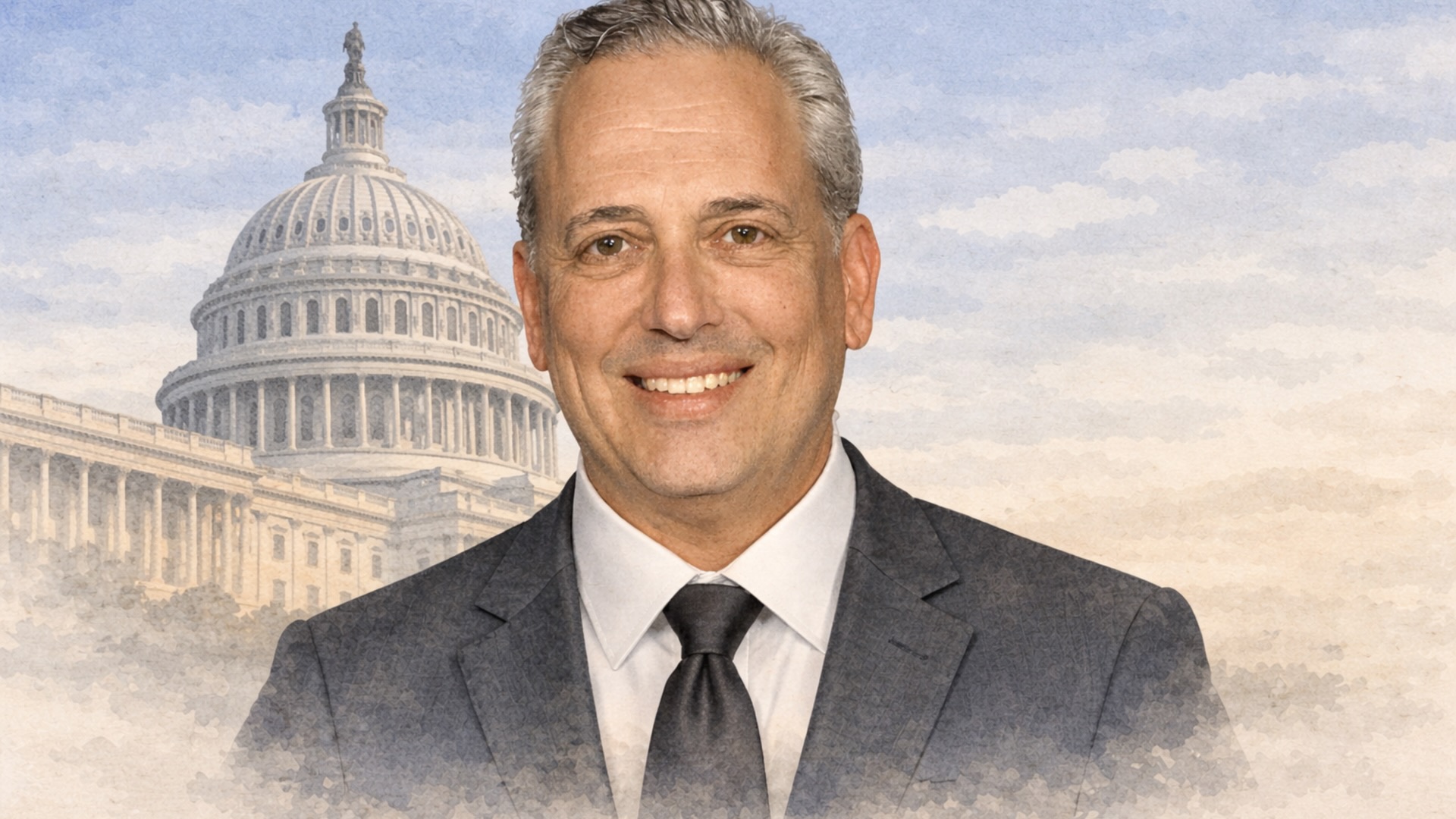
David Sacks left the US crypto and AI czar post after reaching the 130-day limit for special government employees.
David Sacks has stepped down from the US crypto and AI czar role after 130 days and will become co-chair of the President’s Council of Advisors on Science and Technology, keeping him involved in federal technology policy.
The czar position was classified as a Special Government Employee appointment, which caps service at 130 days within a 12-month period. Sacks indicated he had reached that limit and would continue advising through PCAST. “I think moving forward as co-chair of PCAST, I can now make recommendations on not just AI but an expanded range of technology topics,” he said. “So yes, this is how I’ll be involved moving forward.”
PCAST, created in 2001 under President George W. Bush, can include up to 24 members from industry and academia and develops policy recommendations for the White House. The latest roster includes Coinbase co-founder Fred Ehrsam and investor Marc Andreessen, founder of a16z. Sacks described the lineup as having “the most star power of any group like this that has been created.”
A venture capitalist and early tech operator, Sacks was named the first US crypto and AI czar under President Donald Trump. During his tenure, he worked on digital asset policy and personnel decisions at market regulators. He helped oversee the appointment of new commissioners at the Securities and Exchange Commission and the Commodity Futures Trading Commission. Under SEC Commissioner Paul Atkins, enforcement actions against crypto firms fell 60% year over year in 2025, according to Cornerstone Research.
At the CFTC, Commissioner Mike Selig has promoted growth in prediction markets, a type of crypto-based trading venue that lets users trade on future events. Sacks also helped lay the groundwork for 2025 stablecoin legislation known as the Genius Act, which brought dollar-pegged cryptocurrencies under federal oversight and set a framework for banks and fintech firms to issue tokens.
Sacks noted the PCAST role broadens his focus beyond crypto and AI to a wider set of technologies while keeping him engaged with the administration’s agenda. The council convenes experts to prepare policy proposals and advise on federal priorities in science and innovation.
Other officials connected to the administration’s crypto efforts have moved to industry roles. Bo Hines, who served as executive director of the White House Crypto Council, left government in August to join stablecoin issuer Tether. At the time, Hines called it “the honor of a lifetime” to work with Sacks and maintained the administration had positioned the United States as “the crypto capital of the world.”
The material on GNcrypto is intended solely for informational use and must not be regarded as financial advice. We make every effort to keep the content accurate and current, but we cannot warrant its precision, completeness, or reliability. GNcrypto does not take responsibility for any mistakes, omissions, or financial losses resulting from reliance on this information. Any actions you take based on this content are done at your own risk. Always conduct independent research and seek guidance from a qualified specialist. For further details, please review our Terms, Privacy Policy and Disclaimers.
Articles by this author