Binance stays largest crypto exchange by volume as industry activity expands
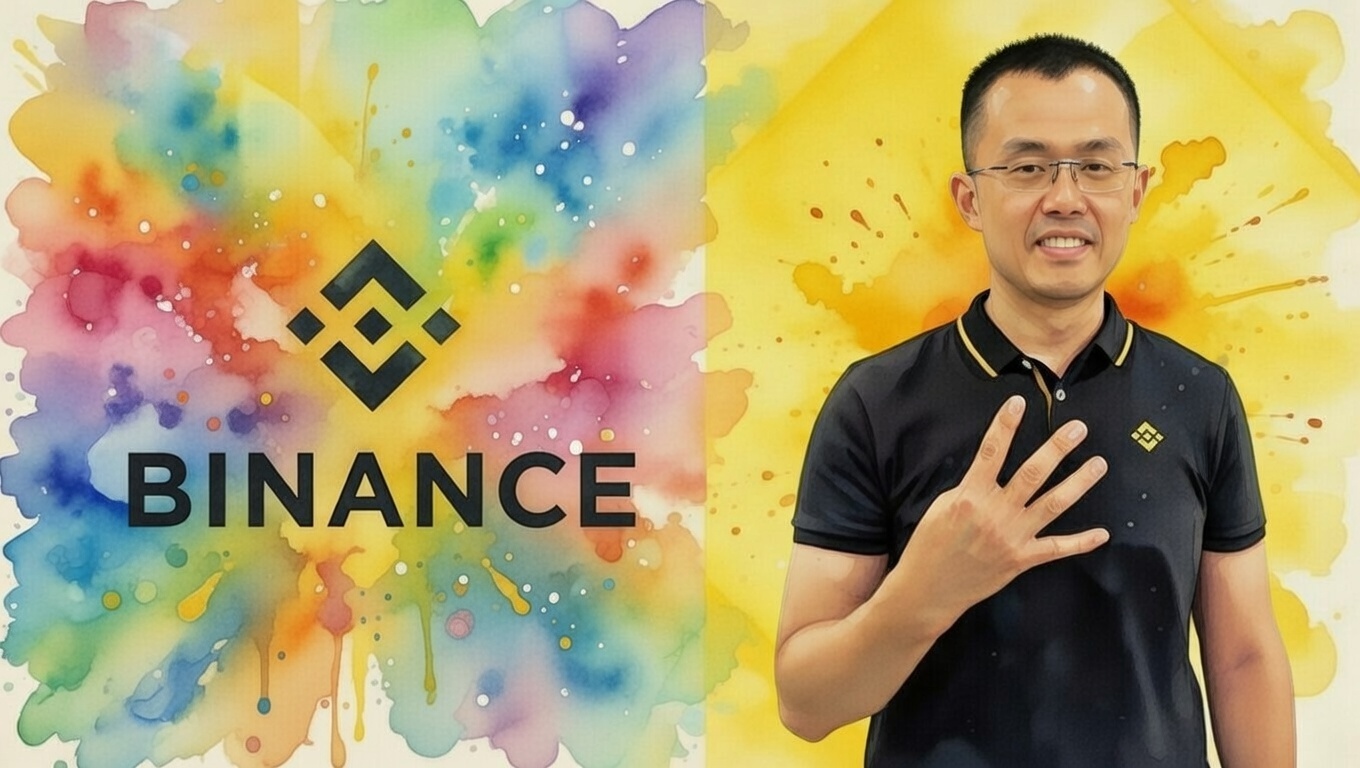
Binance ended 2025 as the largest venue for crypto trading by volume, with the exchange reporting $34 trillion traded across products and more than $7.1 trillion on spot markets, while third-party datasets show Binance holding the biggest share of global derivatives activity as total industry turnover climbed into the tens of trillions.
BNB creators said average daily trading volume across all products rose 18% in 2025. Independent derivatives tallies place the platform’s cumulative derivatives volume near $25.1 trillion for the year – about 29% of the market – against an estimated $85.7 trillion total for crypto derivatives across venues. Spot and futures leadership at Binance coincided with rising activity among challengers, including OKX, Bybit and Bitget, which together with Binance accounted for roughly three-fifths of derivatives flow.
Beyond self-reported figures, market share snapshots from data providers show Binance retaining the largest slice of exchange liquidity, while competitors rotated within the second tier. CCData’s mid-year review listed Binance with about 29.9% spot share in June and 37.6% of derivatives, and later updates continued to emphasize its outsized footprint as rivals competed for incremental gains. Kaiko’s exchange rankings, which score venues on data quality and market structure metrics, also underscored shifting positions among non-Binance platforms through 2025.
On the perps side, new and on-chain alternatives pressed for share. WuBlockchain’s year-end recap highlighted Hyperliquid’s rapid growth – roughly $2.95 trillion in annual trading volume, $844 million in revenue, and a spike in liquidations during the Oct. 11 sell-off – illustrating how niche venues tapped specific trader cohorts even as centralized incumbents dominated headline totals.
Capital formation moved in parallel. WuBlockchain’s venture tally estimated crypto and blockchain financings near $49.75 billion in 2025, a sharp increase versus the prior year and a sign that exchange infrastructure, liquidity products and custody remained priorities for investors. Binance separately publicized a strategic minority investment from Abu Dhabi–based MGX, settled in stablecoins, as part of broader 2025 balance-sheet and liquidity initiatives.
Methodology differences matter when comparing leaders. Exchange-produced end-of-year reports aggregate all product lines and user segments, whereas third-party trackers segment spot, derivatives and open interest with varying exchange coverage and filters. Kaiko’s ranking framework weights market-quality signals alongside volume, while CCData and CoinGlass emphasize turnover, market share and open interest – offering complementary views that converge on Binance’s scale but diverge on the exact spread between second-tier competitors at different points in the year.
Regional and structural forces rounded out the picture. Kaiko’s research flagged evolving liquidity in key jurisdictions, including Korea, while derivatives reports traced heightened concentration in a handful of venues – conditions that can amplify liquidation cascades during volatility, as evidenced by October’s market break. Together, the datasets depict a 2025 market with one clear liquidity hub, a crowded chase pack differentiated by product mix and jurisdiction, and a growing perimeter of on-chain trading rails competing for specific flow.
The material on GNcrypto is intended solely for informational use and must not be regarded as financial advice. We make every effort to keep the content accurate and current, but we cannot warrant its precision, completeness, or reliability. GNcrypto does not take responsibility for any mistakes, omissions, or financial losses resulting from reliance on this information. Any actions you take based on this content are done at your own risk. Always conduct independent research and seek guidance from a qualified specialist. For further details, please review our Terms, Privacy Policy and Disclaimers.
Articles by this author