Divorce lawyers trace hidden crypto stashes
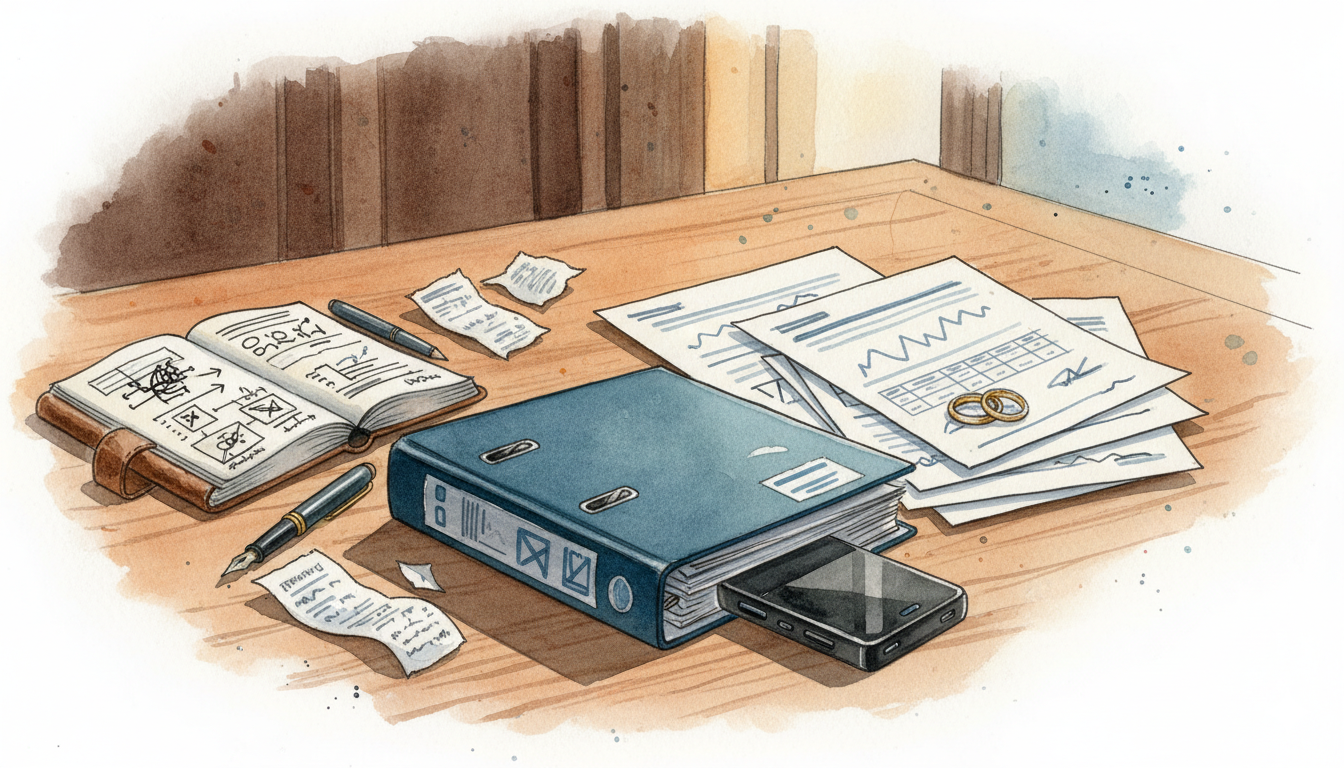
Divorce lawyers say cryptocurrency is increasingly being used to conceal wealth during marital breakups, with some cases involving undisclosed holdings worth millions and prompting court orders for deeper disclosure and asset freezes.
Lawyers in England and Wales say the problem is surfacing more often as digital assets become a bigger slice of personal portfolios, but disclosure paperwork still leaves crypto easy to bury, pushing litigants toward bank-statement forensics, device searches and blockchain tracing to establish what a spouse controls.
The issue is playing out inside a system that relies heavily on “full and frank” financial disclosure. In England and Wales, divorcing spouses are expected to list all assets as part of the disclosure process, including digital assets, but practitioners say there is no dedicated, standardized section that forces a clear breakdown of wallets, exchange accounts and transaction history. That gap can make it easier for a party intent on hiding crypto to categorize it loosely or omit it, especially when holdings are spread across multiple platforms or held in self-custody.
In several recent matters described by legal professionals, suspicions were triggered not by exchange statements but by indirect clues: unexplained transfers, unfamiliar app activity, or physical-device evidence that suggested wallet use. From there, lawyers say they have sought additional disclosure through the courts and, in some cases, asked for freezing orders aimed at preventing assets from being moved while ownership is investigated.
The hiding playbook often begins with a familiar digital advertising trap and ends with a wallet address. Lawyers and forensic specialists say a spouse’s banking history is frequently the starting point: fiat on-ramps to exchanges, repeated transfers to payment processors linked to crypto, or debit-card spending patterns that correlate with exchange funding. Where those breadcrumbs exist, specialists can sometimes connect off-chain identity to on-chain activity, then map transfers to determine whether assets remain under a spouse’s control.
Legal advisers also point to a more modern complication: the “I lost access” defense. Even when a wallet’s existence is established, a spouse may claim that private keys are gone or devices were wiped. Practitioners say that can turn valuation and enforcement into a costly, technical dispute – particularly in cases involving older wallets, multiple chains, or funds that have moved through intermediaries.
In the UK, family law practitioners describe crypto concealment as a newer variant of a long-running dynamic in high-net-worth divorces, where one party attempts to minimize the marital pot through offshore structures, trusts, or undisclosed accounts. The difference, lawyers say, is the portability of crypto and the practical difficulty of identifying it quickly if it is self-custodied and never touches a centralized exchange in the relevant disclosure window.
The enforcement risk for non-disclosure remains a key pressure point. Guidance published by firms that advise on digital assets in divorce warns that courts can treat concealment as misconduct, with potential consequences including adverse inferences, costs orders, and the possibility that an order could be revisited if hidden assets are later proven.
Outside the UK, lawyers in other jurisdictions are making similar warnings as crypto ownership broadens. In the United States, for example, family-law commentary in California has emphasized spouses’ duties to disclose digital assets such as wallets and exchange accounts, and the potential for penalties when a party withholds information during property division.
What is changing, lawyers say, is the level of specialist work now being built into divorce disputes. Some firms report training staff and leaning more heavily on external forensic accountants and tracing specialists, particularly when there is a credible suspicion that meaningful value sits in wallets that are not declared in the initial disclosure.
The most expensive cases tend to combine three factors: a large asset base, an uncooperative party, and complex crypto activity. Crypto can be held across spot exchange accounts, cold wallets, DeFi protocols, or tokenized assets that require their own valuation approach. Specialists say the volatility of major tokens adds another tension: even after an asset is identified, parties can fight over valuation dates, the impact of price swings, and whether any transfers were legitimate trading activity or an attempt to move value out of reach.
Lawyers working in England and Wales say the trend is unlikely to fade as younger, more crypto-native cohorts move into peak wealth-building years. For now, the practical reality of divorce disputes is that crypto is treated as property that must be disclosed and valued, but proving what exists can require an investigative process that looks more like financial-crime work than traditional family litigation.
The material on GNcrypto is intended solely for informational use and must not be regarded as financial advice. We make every effort to keep the content accurate and current, but we cannot warrant its precision, completeness, or reliability. GNcrypto does not take responsibility for any mistakes, omissions, or financial losses resulting from reliance on this information. Any actions you take based on this content are done at your own risk. Always conduct independent research and seek guidance from a qualified specialist. For further details, please review our Terms, Privacy Policy and Disclaimers.
Articles by this author