Robinhood, Crypto com and Kalshi hit by stop order over gambling rules

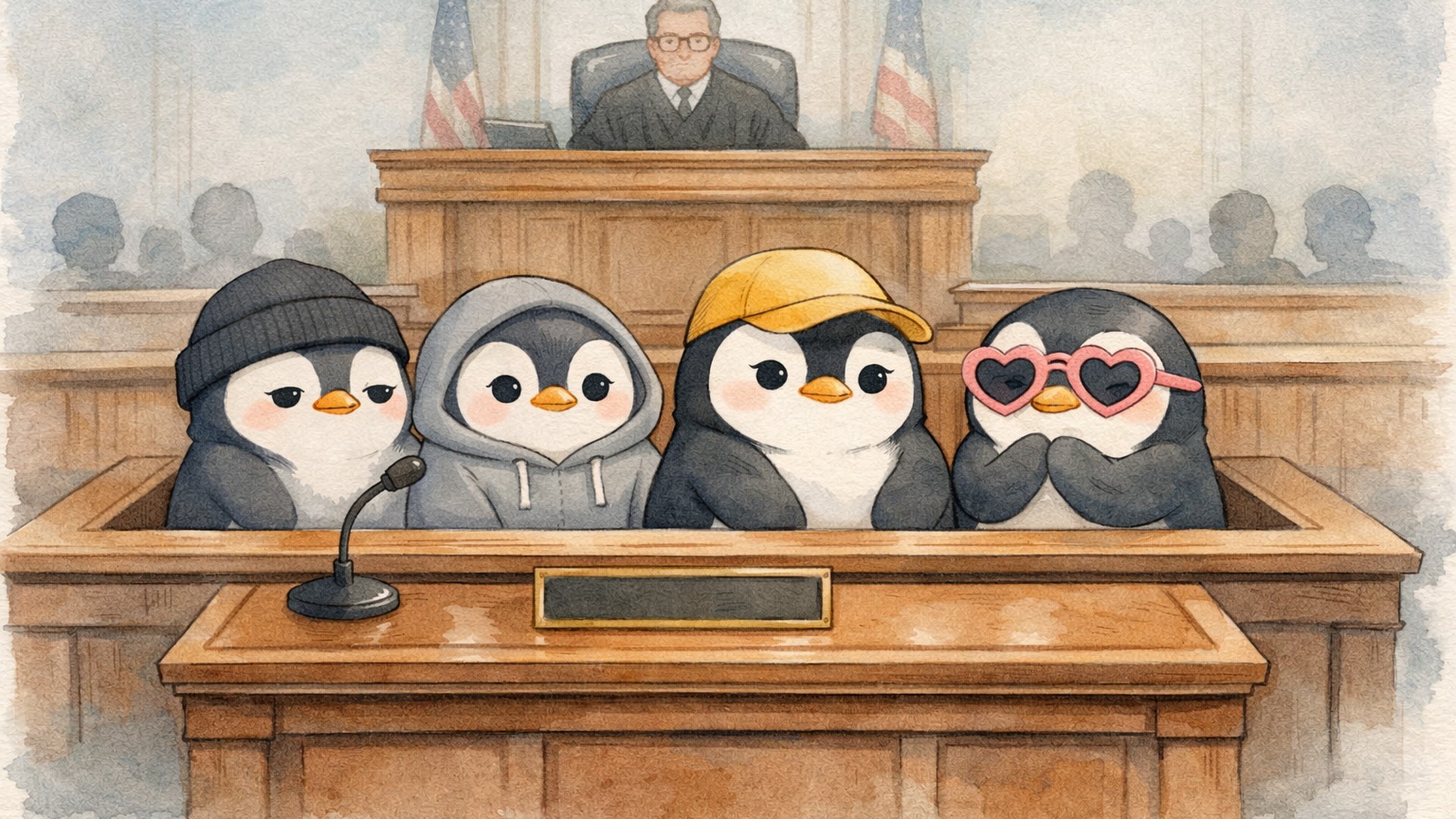
Connecticut’s Department of Consumer Protection has ordered Robinhood, Crypto.com and prediction market operator Kalshi to immediately stop offering sports event contracts and other “unlicensed online gambling” products to residents of the state, saying the platforms are running illegal sports wagering without a license.
The department’s Gaming Division issued cease-and-desist orders on December 3, 2025, to KalshiEX LLC, Robinhood Derivatives LLC and Crypto.com. The orders say all three platforms have been offering sports wagers in Connecticut without the required state license and that some of their contracts also breach other state rules, including restrictions on offering wagers to people under the age of 21.
In the letters, regulators describe the products at issue as “sports event contracts” that function as wagers on game outcomes rather than as regulated investment products. The department says the companies must stop advertising, offering or promoting these contracts to Connecticut residents and must allow local users to withdraw any money held on the platforms.
“Only licensed entities may offer sports wagering in the state of Connecticut,” Department of Consumer Protection Commissioner Bryan Cafferelli said, adding that none of the three firms holds such a license and that, even if they did, their current contracts would still violate several state laws and policies.
Gaming Director Kris Gilman said the platforms have been “deceptively advertising that their services are legal” while operating outside the state’s regulatory framework. She warned that users placing wagers on these products do not benefit from the consumer protections that apply to licensed operators, and stressed that “a prediction market wager is not an investment” under Connecticut law.
The department highlights several specific risks for users. Because the platforms are not subject to Connecticut’s technical standards for wagering systems, regulators say customers’ financial and personal data may be more exposed. The press release also notes that the platforms lack formal “integrity controls” to stop insiders or participants from influencing outcomes or placing restricted bets, and that house rules governing how wagers are settled are not reviewed by any regulator.
According to the orders, if a dispute arises – for example, if a wager does not pay out as expected – the department currently has no direct tools to recover funds or require the platforms to honor advertised payouts, because the activity is outside the licensed gambling framework. This stands in contrast with regulated sports betting operators in the state, which must follow defined standards, submit their rules for review and cooperate with investigations into complaints.
The enforcement action lands in the middle of a broader national debate over how to classify prediction markets that let users trade on real-world events. Kalshi, founded in 2018 as an event-based trading exchange, has positioned some of its contracts as regulated derivatives overseen at the federal level, while critics argue that sports-related markets in particular resemble traditional betting products covered by state gambling law.
Investor Ross Gerber, who has been critical of prediction markets, wrote on X that platforms like Kalshi are “just illegal sports betting operations that somehow has been allowed to exist,” arguing that calling contracts “futures” does not change their nature when they track sports outcomes in states where betting is restricted. His comments came as several U.S. states stepped up scrutiny of event-based trading and offshore-style prediction platforms.
Connecticut’s orders add to a growing list of state-level actions targeting prediction market and event-contract providers. Earlier in 2025, regulators in Arizona and other jurisdictions also issued cease-and-desist directives against similar offerings, reflecting ongoing tension between state gaming rules and federal derivatives oversight.
Under the Connecticut orders, Robinhood, Crypto.com and Kalshi are required to immediately stop offering sports event contracts or any other unlicensed online gambling products to users in the state and to provide a way for affected customers to withdraw their balances. The department did not specify further penalties in the press release but made clear that any continued offering of unlicensed wagers would be treated as a violation of state gambling law.
The material on GNcrypto is intended solely for informational use and must not be regarded as financial advice. We make every effort to keep the content accurate and current, but we cannot warrant its precision, completeness, or reliability. GNcrypto does not take responsibility for any mistakes, omissions, or financial losses resulting from reliance on this information. Any actions you take based on this content are done at your own risk. Always conduct independent research and seek guidance from a qualified specialist. For further details, please review our Terms, Privacy Policy and Disclaimers.
Articles by this author