Stablecoin debate puts Coinbase UK strategy in focus
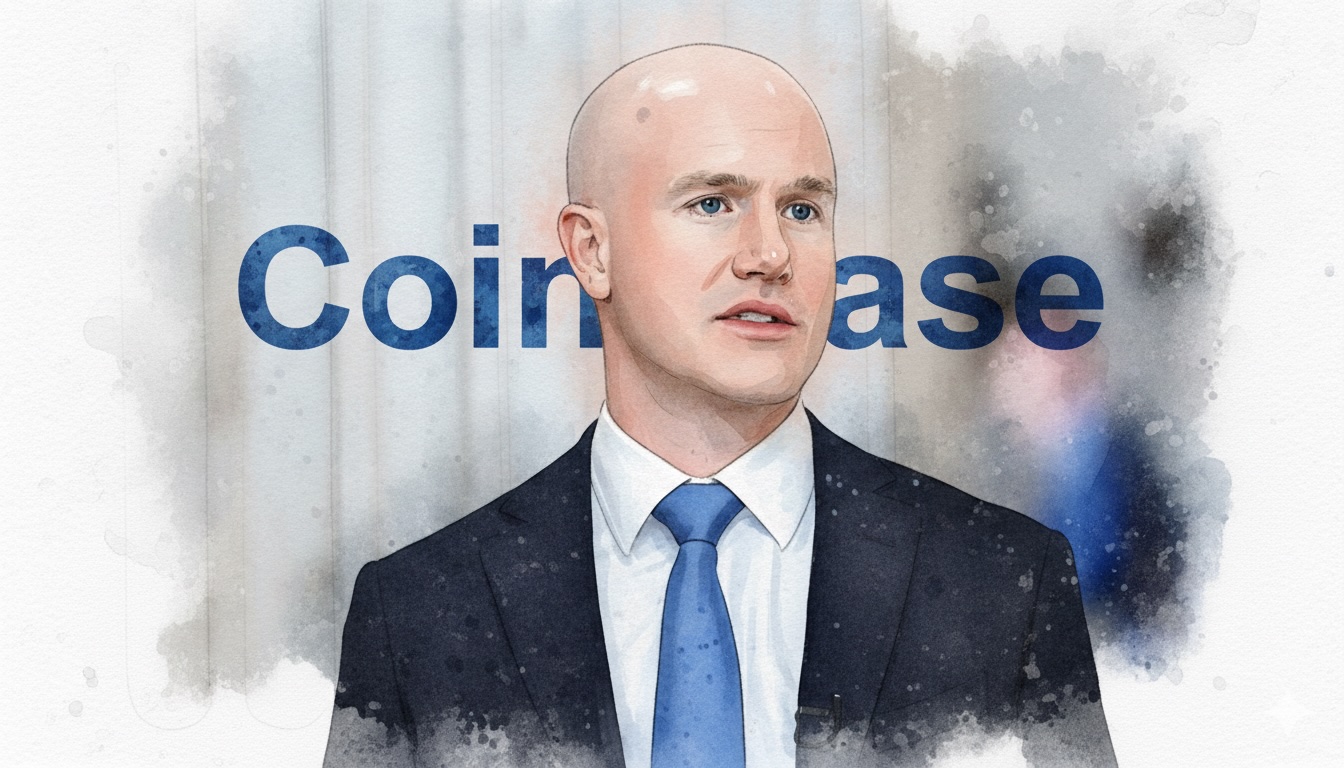
Coinbase CEO Brian Armstrong said the Bank of England’s proposed limits on stablecoin holdings risk making the UK an “innovation blocker” in digital finance, as Coinbase increasingly relies on stablecoin-linked income and fights in Washington over rules that could shape how much revenue crypto firms can earn from digital dollars.
Armstrong’s comments, posted Tuesday on X, came as UK authorities finalize stablecoin and tokenization rules and as Coinbase’s own stablecoin revenue has grown into a material line item. Coinbase earned $1.35 billion in stablecoin revenue in 2025, up from $911 million the prior year, including $364 million in the fourth quarter, according to figures cited in the report.
The UK policy fight centers on caps and reserve requirements. The Bank of England proposal cited in the report would cap individual stablecoin holdings at $26,350 (£20,000) and business holdings at $12.7 million (£10 million), while requiring 40% of reserves to be held in non-interest-bearing central bank accounts. UK lawmakers have warned the approach could deter innovation and push activity overseas.
Post amplified a petition promoted by Stand With Crypto UK, an advocacy group seeded by Coinbase in 2023. The petition calls on the UK government to pursue a “pro-innovation stablecoin and tokenization regulatory regime” and to appoint a blockchain and crypto czar, and it had gathered more than 80,000 signatures ahead of a March 3 deadline, according to the report.
The debate has sharpened as stablecoins turn into a recurring revenue stream for major crypto platforms. Bloomberg Intelligence estimates Coinbase’s stablecoin revenue could grow by two to seven times under the U.S. GENIUS Act, depending on how final rules are written, the report said.
Industry voices quoted in the report said the issue extends beyond Coinbase’s balance sheet. Clearpool COO Steven Wu said the broader question is whether regulation focuses on managing risk properly rather than limiting scale, while arguing that stablecoins are moving toward “core financial infrastructure” status. In that context, the report said, hard caps could limit the UK’s ability to attract liquidity and institutional participation.
The UK caps have faced earlier criticism from crypto industry groups on enforceability and competitiveness. In October 2025, Decrypt reported that even potential exemptions for some large entities did not satisfy industry stakeholders, who argued retail caps would be difficult to enforce across multiple wallets and could slow sector growth.
Armstrong has repeatedly pushed regulators to allow stablecoin holders to earn yield, framing the topic as a competition issue between banks and crypto firms. In March 2025, he argued U.S. policy should not favor banks by restricting “onchain interest” and said both banks and crypto companies should be able to share interest with consumers.
Coinbase’s focus on stablecoin economics has also been tied to business diversification as trading cycles fluctuate. In earlier disclosures, the company described stablecoin-related income as part of a broader “subscriptions and services” strategy intended to reduce reliance on spot trading volume.
The material on GNcrypto is intended solely for informational use and must not be regarded as financial advice. We make every effort to keep the content accurate and current, but we cannot warrant its precision, completeness, or reliability. GNcrypto does not take responsibility for any mistakes, omissions, or financial losses resulting from reliance on this information. Any actions you take based on this content are done at your own risk. Always conduct independent research and seek guidance from a qualified specialist. For further details, please review our Terms, Privacy Policy and Disclaimers.
Articles by this author