Claude Mythos and DeFi: Hype or Real Threat?
Anthropic released Mythos-class AI for cybersecurity; public access to consumer Claude Fable 5 was suspended after a U.S. government directive, prompting DeFi security concern.
Anthropic introduced the Claude Mythos-class family of models for cybersecurity and initially limited access to the system. Public availability of the consumer model Claude Fable 5 was later suspended following a U.S. government directive. The company described Mythos as tuned for vulnerability research, exploit analysis and layered security reasoning.
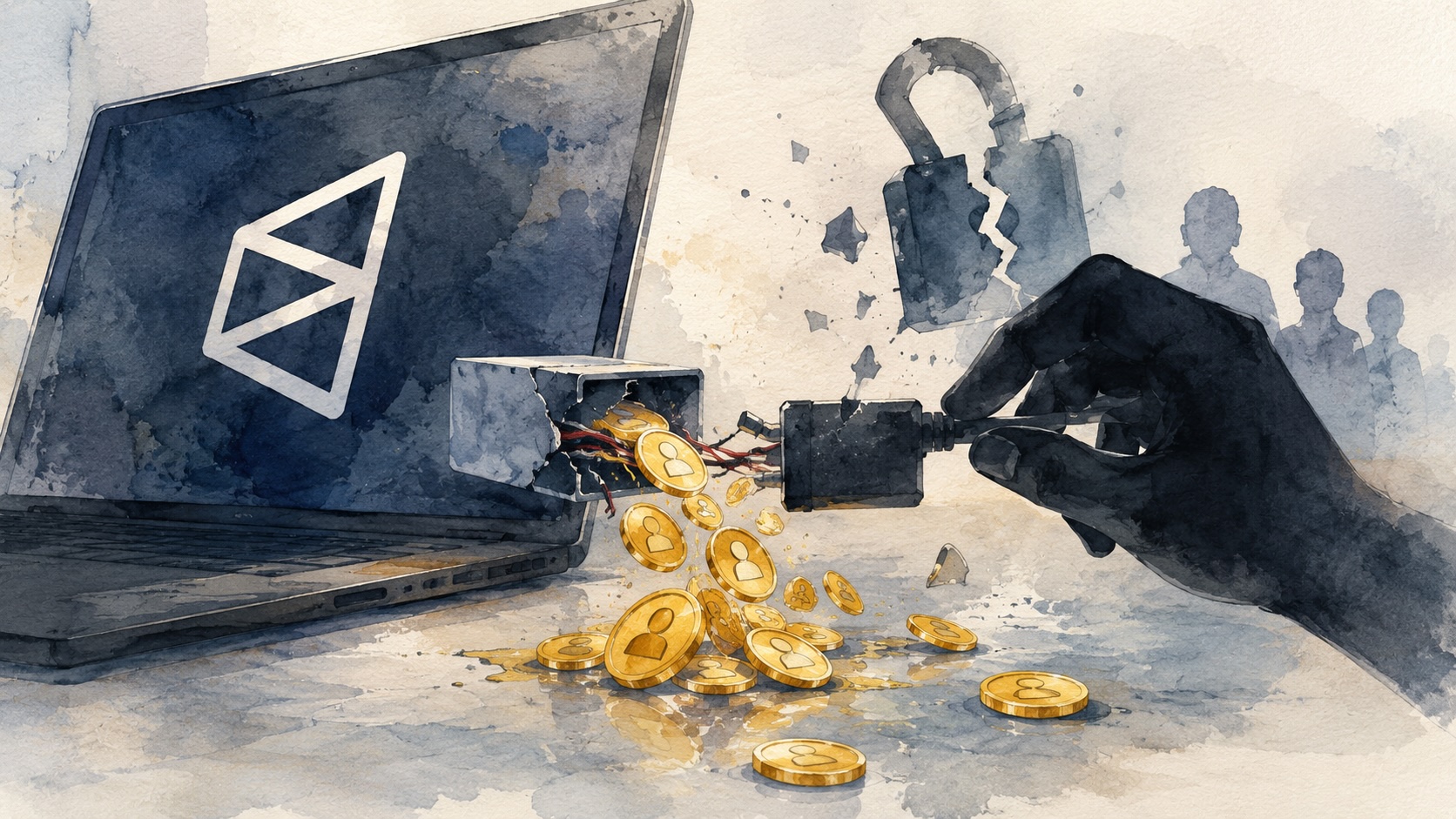
Developers and security teams in the decentralized finance sector raised concerns that advanced AI could speed the discovery of software flaws in smart contracts. DeFi protocols often publish source code, control significant funds through on-chain contracts and deploy new systems with limited operational history, conditions that can make automated review attractive to both defenders and attackers.
AI tools are already able to inspect large codebases, flag recurring unsafe patterns and propose possible attack paths more quickly than many manual reviews. In controlled exercises, advanced models identified software flaws in minutes that might take human researchers hours or days. Smart contracts use structured languages such as Solidity and are publicly accessible, which makes them amenable to automated scanning for known vulnerability types including reentrancy, access-control errors and unsafe arithmetic.
There are technical limits to current AI outputs. Finding a coding error does not directly produce a working exploit that drains funds. Real-world attacks often require precise transaction sequencing, deep knowledge of protocol interactions, sufficient capital to affect liquidity or markets, and sometimes governance or social-engineering steps. AI-generated findings can include false positives and incomplete analyses, so verification by experienced engineers and auditors remains necessary.
Security vendors and development teams have started to incorporate AI into audit and monitoring workflows. Automated checks are being run against code updates, continuous monitoring systems watch deployed contracts for unusual on-chain activity, and some bug-hunting groups use models to prioritize targets. These tools can also be used to generate tests and to scan large numbers of contracts for repeated coding mistakes.
Risk exposure varies across projects. Smaller teams with limited security budgets, protocols built from copied or lightly modified code, projects with weak or no third-party audits and older contracts designed under different assumptions face higher risk from rapid, automated analysis. Automated tools can reveal inherited flaws in reused codebases and make unpatched vulnerabilities easier to identify.
Security practitioners describe a trajectory in which offensive and defensive AI tools operate alongside each other. As attackers experiment with automated discovery, defenders are testing AI-assisted hardening, monitoring and incident response tools. The pace at which teams integrate these capabilities and reduce the time between detection and patching will affect how quickly identified issues are closed.
Anthropic’s announcement and the subsequent suspension of consumer access to Claude Fable 5 have added urgency to security discussions in DeFi. Developers, auditors and security firms are adjusting practices and tooling to account for faster automated analysis and to verify AI findings through established review processes.
The material on GNcrypto is intended solely for informational use and must not be regarded as financial advice. We make every effort to keep the content accurate and current, but we cannot warrant its precision, completeness, or reliability. GNcrypto does not take responsibility for any mistakes, omissions, or financial losses resulting from reliance on this information. Any actions you take based on this content are done at your own risk. Always conduct independent research and seek guidance from a qualified specialist. For further details, please review our Terms, Privacy Policy and Disclaimers.
Articles by this author