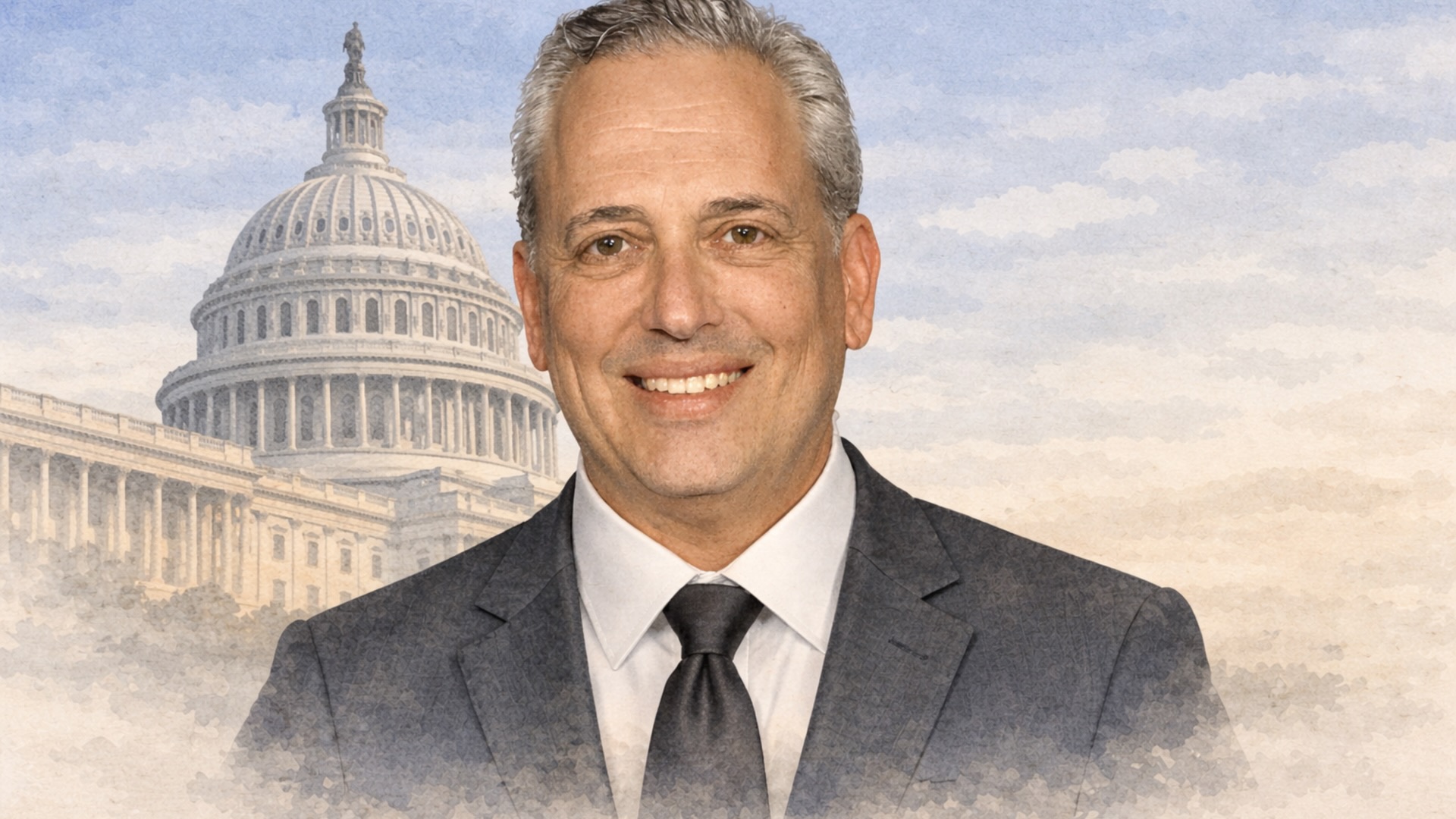
Michael Selig backs blockchain tools to spot AI-generated market content

In a podcast interview, CFTC official Michael Selig backed blockchain to verify AI-generated content and argued that enforcement should focus on market participants, not software developers.
Michael Selig of the Commodity Futures Trading Commission (CFTC) endorsed blockchain tools to verify AI-generated content and urged regulators to focus enforcement on market participants rather than software developers. He spoke in a podcast interview on March 26 about how synthetic media can influence markets and investor behavior.
Speaking about AI-generated memes and images, Selig said blockchains can attach timestamps and unique IDs to content so people can check if it’s authentic or synthetic. He argued that private markets already provide tools like this and that keeping them in the U.S. is essential. He added that AI needs blockchain to deliver verifiable provenance and trust.
On oversight, Selig cautioned against placing heavy compliance burdens on software builders who aren’t the ones trading. He said he favors a “minimum effective dose” of rules focused on people and firms actually conducting financial activity. The goal, he added, is to regulate market actors rather than the engineers writing code, since developers build the tools but don’t execute the transactions.
Regulators are reviewing how AI models are used in trading and market analysis, including where tools cross from automated assistance into fully autonomous decision-making. Selig indicated the CFTC is assessing these questions with an emphasis on market integrity and US leadership in crypto and related technologies.
Developers and policymakers are advancing methods to authenticate online content as concern grows over deepfakes and misinformation. One approach is proof-of-personhood, which verifies that an account is tied to a unique human without disclosing sensitive data. Sam Altman’s World project offers a World ID credential that relies on encrypted iris biometrics stored on a user’s device. The method has faced questions about privacy and consent.
In March, Australia’s corporate regulator, ASIC, warned Gen Z investors are placing too much trust in social media and AI for financial decisions. In a survey of 1,127 Australians aged 18 to 28, 63% said they use social media for money information, 64% said they trust AI.
Ethereum co-founder Vitalik Buterin has outlined proposals that use cryptography and public ledgers to increase transparency in how content is created and distributed. Concepts include zero-knowledge proofs that can attest to facts without revealing underlying information and onchain timestamps documenting when material was produced.
In Washington, federal officials are considering broader rules for artificial intelligence. On March 20, the Trump administration released a national framework calling for a unified federal approach to AI oversight, citing the risk that a patchwork of state laws could hinder innovation.
The material on GNcrypto is intended solely for informational use and must not be regarded as financial advice. We make every effort to keep the content accurate and current, but we cannot warrant its precision, completeness, or reliability. GNcrypto does not take responsibility for any mistakes, omissions, or financial losses resulting from reliance on this information. Any actions you take based on this content are done at your own risk. Always conduct independent research and seek guidance from a qualified specialist. For further details, please review our Terms, Privacy Policy and Disclaimers.
Articles by this author