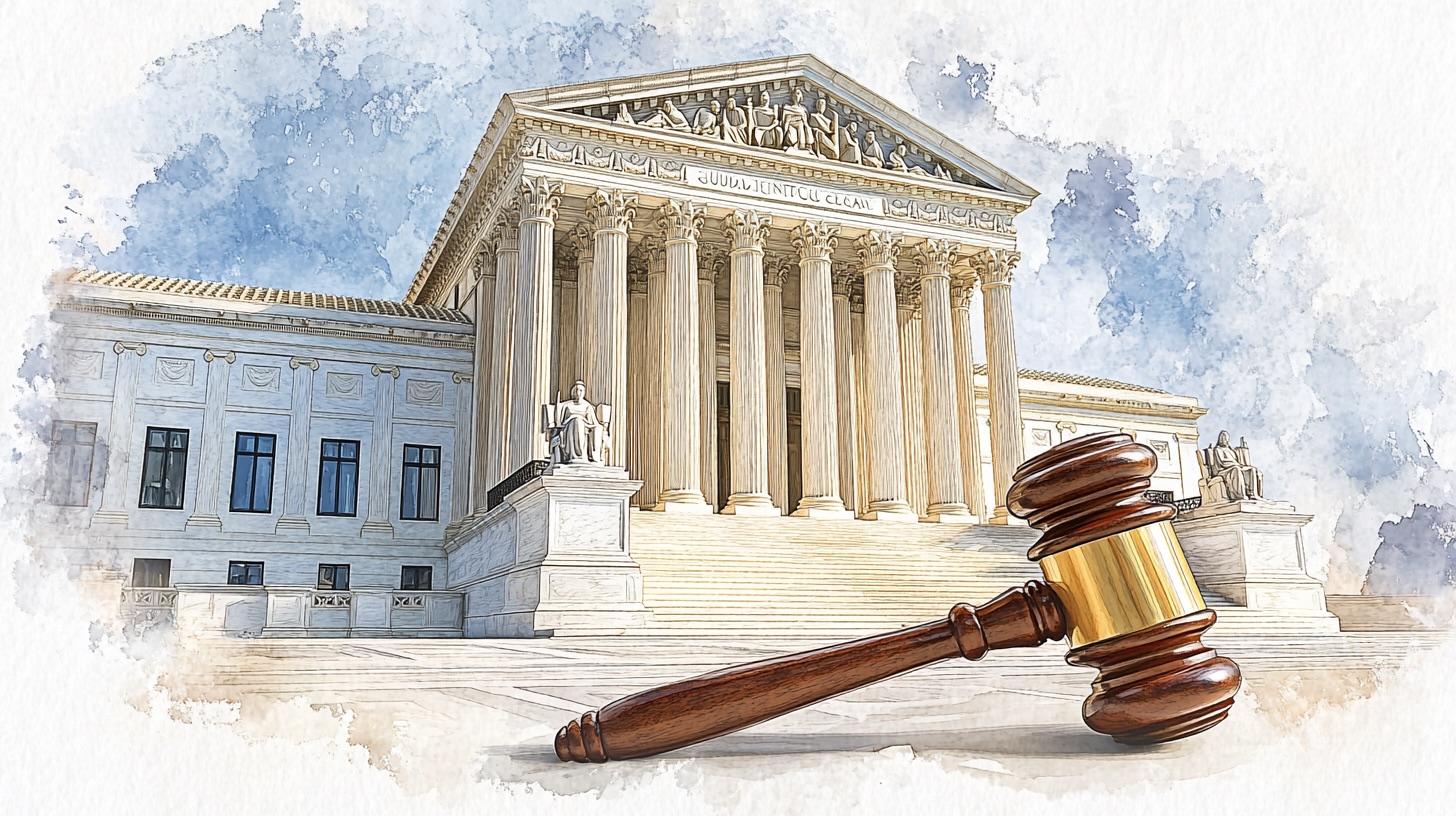
CFTC chair declares U.S. the “crypto capital of the world” as regulators draft new framework
At the FIA Boca Raton conference, CFTC Chair Michael Selig called the U.S. the crypto capital and announced Project Crypto with SEC Chair Paul Atkins to build a joint framework and taxonomy.
At the FIA annual conference in Boca Raton, CFTC Chair Michael Selig labeled the United States “the crypto capital of the world” and introduced Project Crypto, a joint effort with SEC Chair Paul Atkins to craft a shared SEC-CFTC framework and a crypto asset taxonomy. The plan aims to clarify which agency oversees specific crypto products.
According to Selig, the framework would let firms determine whether a product falls within CFTC oversight, SEC oversight, both, or neither. He described the partnership as ending “the days of CFTC-SEC infighting” and an effort to coordinate policy across the two market regulators.
He outlined a broader roadmap at the agency. Staff has been tasked with publishing guidance on when developers of non-custodial software – such as digital wallets and decentralized finance applications – might trigger intermediary registration under CFTC rules. The agency is also reviewing rules for retail crypto trading, including when leveraged, margined, or financed spot transactions may occur off-exchange under the “actual delivery” exception. In addition, officials are weighing purpose-fit standards for margined spot trading on exchanges and examining how to classify “true crypto-perpetuals.”
Selig detailed plans to restart and formalize oversight of event contracts, including political prediction markets. Staff will prepare guidance on how such contracts can be listed and traded consistent with the statute, and an advance notice of proposed rulemaking will seek public input on market issues. He referenced the CFTC’s 1992 no-action letter for the University of Iowa’s political markets, later expanded into policy, and indicated that current work aims to restore clear jurisdiction.
Recent litigation also featured in the remarks. The CFTC filed an amicus brief in a state-led lawsuit involving one of its registrants and continues to evaluate strategies to defend the agency’s exclusive jurisdiction over commodity derivatives when challenged by states.
Technology trends formed part of the case for updated rules. Selig pointed to blockchain, smart contracts, and artificial intelligence as reshaping how markets trade, clear, settle, and manage collateral. In his words, “AI systems executing orders at speeds and volumes far beyond human capacity,” which, in his view, calls for timely guidance.
He characterized the agenda as shifting from enforcement-led oversight. The remarks criticized the SEC’s posture under former Chair Gary Gensler, which, in Selig’s view, “drove the crypto industry offshore,” and noted the CFTC’s earlier attempt to block political prediction markets ahead of the 2024 elections. “This means the CFTC has a generational opportunity to build on its historical role as a forward-looking regulator that applies principles-based oversight,” he told attendees.
Selig also credited political support for the agenda, stating that President Trump “deserves all the credit for pushing the U.S. marketplace to finally fully commit to a financial future with crypto playing a central role.”
On the potential of prediction markets, he added: “It’s my hope that, by marrying prediction markets with blockchains, we can see how decentralized trust and truth can act as a check on disinformation, outright falsity and the threat of debanking.”
He closed by asserting that U.S. markets are “at the beginning of another great wave of innovation,” with crypto assets moving into the mainstream as digitization accelerates.
On March 3, 2026, Selig said guidance on perps, DeFi and prediction markets is coming soon, and that the CFTC aims to allow “true professional futures” trading in the U.S. in about a month. As the CFTC’s sole commissioner, Selig said he can issue interim guidance before formal rulemaking. He added that perpetuals shifted offshore because U.S. rules were unclear, while Atkins pointed to recent court limits on agency deference and the pending Digital Asset Market Clarity Act.
The material on GNcrypto is intended solely for informational use and must not be regarded as financial advice. We make every effort to keep the content accurate and current, but we cannot warrant its precision, completeness, or reliability. GNcrypto does not take responsibility for any mistakes, omissions, or financial losses resulting from reliance on this information. Any actions you take based on this content are done at your own risk. Always conduct independent research and seek guidance from a qualified specialist. For further details, please review our Terms, Privacy Policy and Disclaimers.
Articles by this author