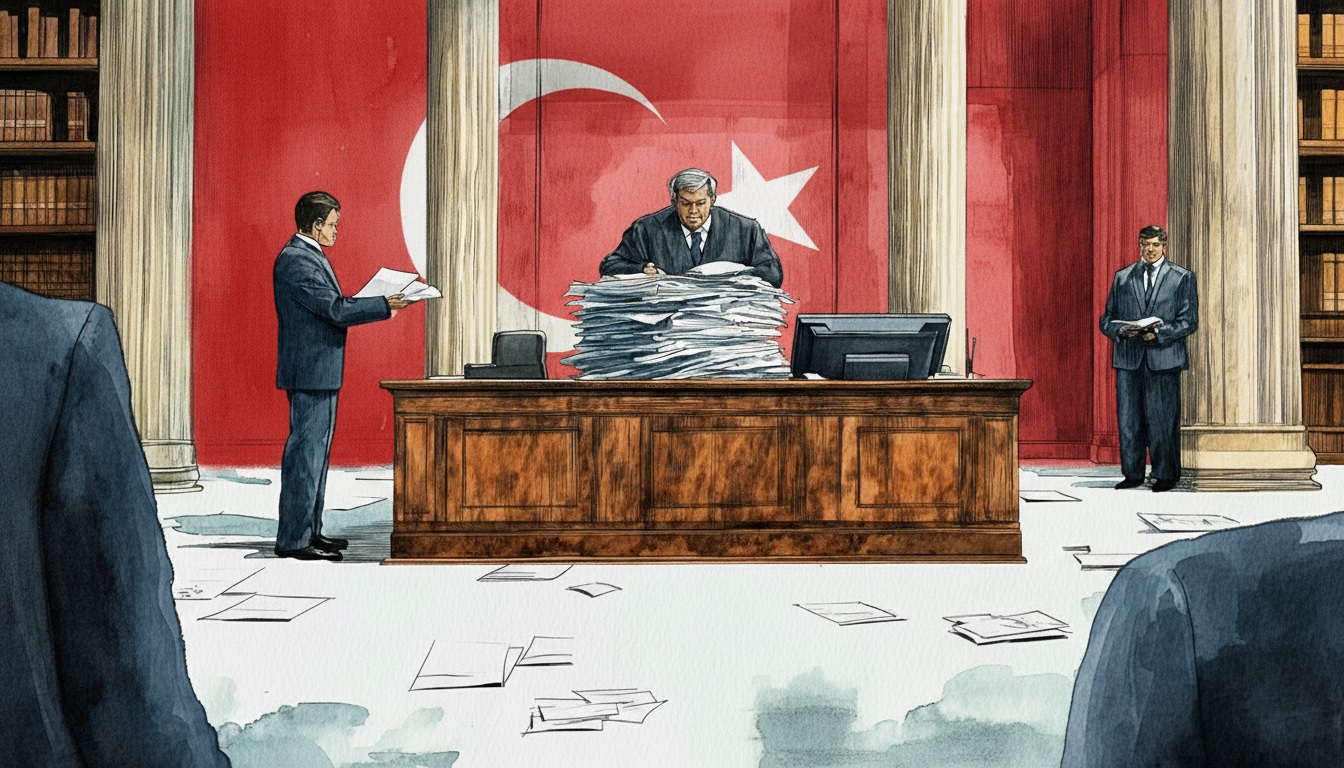
CFTC chair plans guidance on perps, DeFi and prediction markets
CFTC Chair Mike Selig expects guidance soon on crypto perpetuals, DeFi and prediction markets, and aims to allow professional futures trading in the U.S. within about a month.
At a Milken Institute event in Washington, D.C., on Tuesday, U.S. Commodity Futures Trading Commission (CFTC) Chair Mike Selig outlined plans to issue guidance “very soon” on crypto perpetual futures, decentralized finance and prediction markets. He also indicated the agency is working to permit “true professional futures” to trade in the U.S. within the next month, with an announcement expected shortly. He appeared on stage with Securities and Exchange Commission (SEC) Chair Paul Atkins, presenting a coordinated approach under their joint “Project Crypto” initiative.
Perpetual futures – contracts that don’t expire and often use leverage – have largely grown offshore because U.S. rules remain unclear. Selig said the previous administration pushed many firms and their trading volume abroad. As a result, U.S. platforms have been rolling out new perpetuals mainly for non-U.S. customers.
The chairs explained they are exploring “innovation exceptions,” limited allowances that let firms test products without immediate enforcement risk, while the agencies clarify expectations for developers and trading venues. According to Selig, staff is finalizing guidance for DeFi developers and for prediction markets, with releases planned soon.
Because Selig is currently the only sitting member on the CFTC’s five-seat commission, he can issue near-term guidance on his own authority and intends to follow with a formal rulemaking to give the policies firmer legal standing. On prediction markets-event-based trading venues that overlap with crypto-he previewed “guidance in the very near future” and added, “We’re going to be setting very clear standards.”
Oversight of events-based contracts has been contested by state gambling regulators, particularly around sports markets at firms such as Polymarket and Kalshi. Selig has pressed in court for the CFTC’s lead role while acknowledging state authority. “They can exist in parallel,” he said of federal and state regimes.
Atkins pointed to a major legal hurdle for both regulators: a Supreme Court ruling two years ago narrowed how much deference courts give agency interpretations, making policy guidance easier to challenge and overturn. He said the commissions need clear direction from Congress and firm statutory authority.
Lawmakers are still negotiating the Digital Asset Market Clarity Act, intended to establish a U.S. framework for crypto markets. The bill remains tied up in talks involving industry groups, banks, both parties and the White House. With midterm elections approaching and limited Senate floor time, its prospects for passage in 2026 have grown more difficult.
Both chairs signaled continued coordination on digital assets, with guidance pending and longer-term rules under review. Selig emphasized that the near-term actions are intended to clarify standards for market participants while broader legislative efforts continue.
The material on GNcrypto is intended solely for informational use and must not be regarded as financial advice. We make every effort to keep the content accurate and current, but we cannot warrant its precision, completeness, or reliability. GNcrypto does not take responsibility for any mistakes, omissions, or financial losses resulting from reliance on this information. Any actions you take based on this content are done at your own risk. Always conduct independent research and seek guidance from a qualified specialist. For further details, please review our Terms, Privacy Policy and Disclaimers.
Articles by this author