CFTC to allow accept crypto as derivatives collateral

CFTC Acting Chair Caroline Pham launched a pilot letting Bitcoin, Ether and USDC be used as collateral in derivatives markets, with FCMs required to file weekly reports.
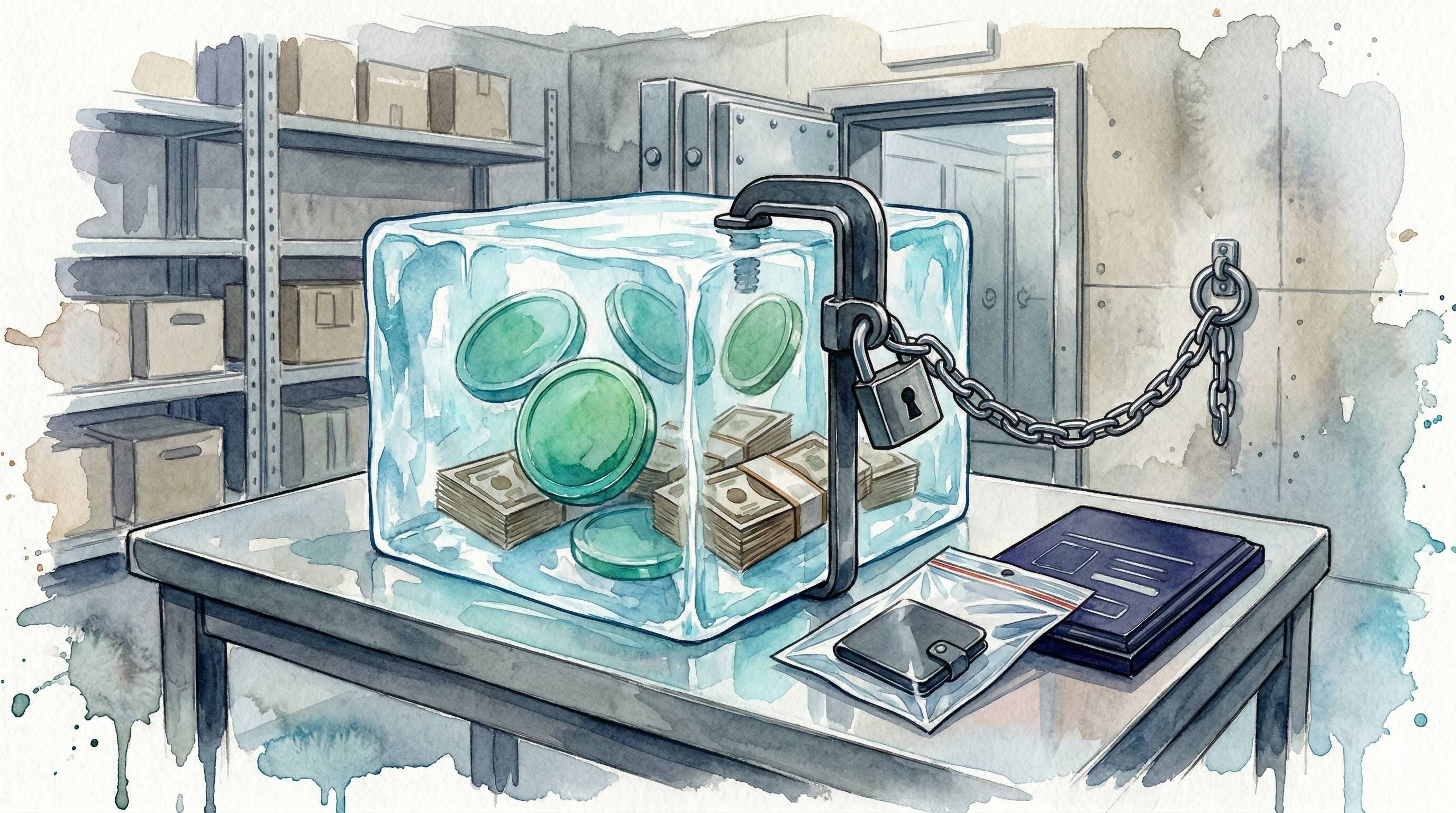
The Commodity Futures Trading Commission on Monday rolled out a pilot allowing Bitcoin, Ether and the USDC stablecoin to be posted as collateral in U.S. derivatives markets. Futures commission merchants that opt in must submit weekly reports on digital asset holdings and alert the agency to any major operational disruptions.
Acting Chair Caroline Pham outlined that the program will run within existing market structures for futures and cleared swaps and is meant to test tokenized collateral under defined reporting and risk controls.
Participants must provide weekly totals of digital assets held in customer accounts for futures and cleared swaps, according to a CFTC letter. They also need to notify the regulator of any significant system issue, disruption or failure affecting the digital assets used as collateral.
The CFTC on Monday withdrew a staff advisory that had limited an FCM’s ability to accept virtual currencies as customer collateral, noting the advisory no longer applies after passage of the GENIUS Act, which set stablecoin rules earlier this summer.
In a statement, Pham wrote, “Embracing responsible innovation ensures that U.S. markets are the world leader, and drives progress that will unleash U.S. economic growth because market participants can safely put their dollars to work smarter and go further.”
Coinbase Chief Legal Officer Paul Grewal welcomed the decision, writing, “The CFTC’s decision confirms what the crypto industry has long known: That stablecoins and digital assets can make payments faster, cheaper, and reduce risk.”
Monday’s announcement builds on a CFTC initiative in September to expand the use of tokenized collateral, particularly stablecoins, in derivatives markets. Pham has led efforts to clarify the agency’s approach to digital assets, launching a “Crypto Sprint” to review rules and proposing a U.S. sandbox for digital asset pilots.
The agency’s crypto sprint covered tokenized collateral and technical amendments across collateral, margin, clearing, settlement, reporting, and recordkeeping to support blockchain infrastructure under existing rules.
As we covered previously, Acting CFTC Chair Caroline D. Pham said U.S. investors will be able to trade listed spot crypto products on federally regulated exchanges overseen by the CFTC. That framework would place cash-market crypto products on CFTC-registered futures exchanges, extending market-integrity and customer-protection rules to spot trading.
The material on GNcrypto is intended solely for informational use and must not be regarded as financial advice. We make every effort to keep the content accurate and current, but we cannot warrant its precision, completeness, or reliability. GNcrypto does not take responsibility for any mistakes, omissions, or financial losses resulting from reliance on this information. Any actions you take based on this content are done at your own risk. Always conduct independent research and seek guidance from a qualified specialist. For further details, please review our Terms, Privacy Policy and Disclaimers.
Articles by this author