Ray Dalio warns central bank digital currencies could end payment privacy
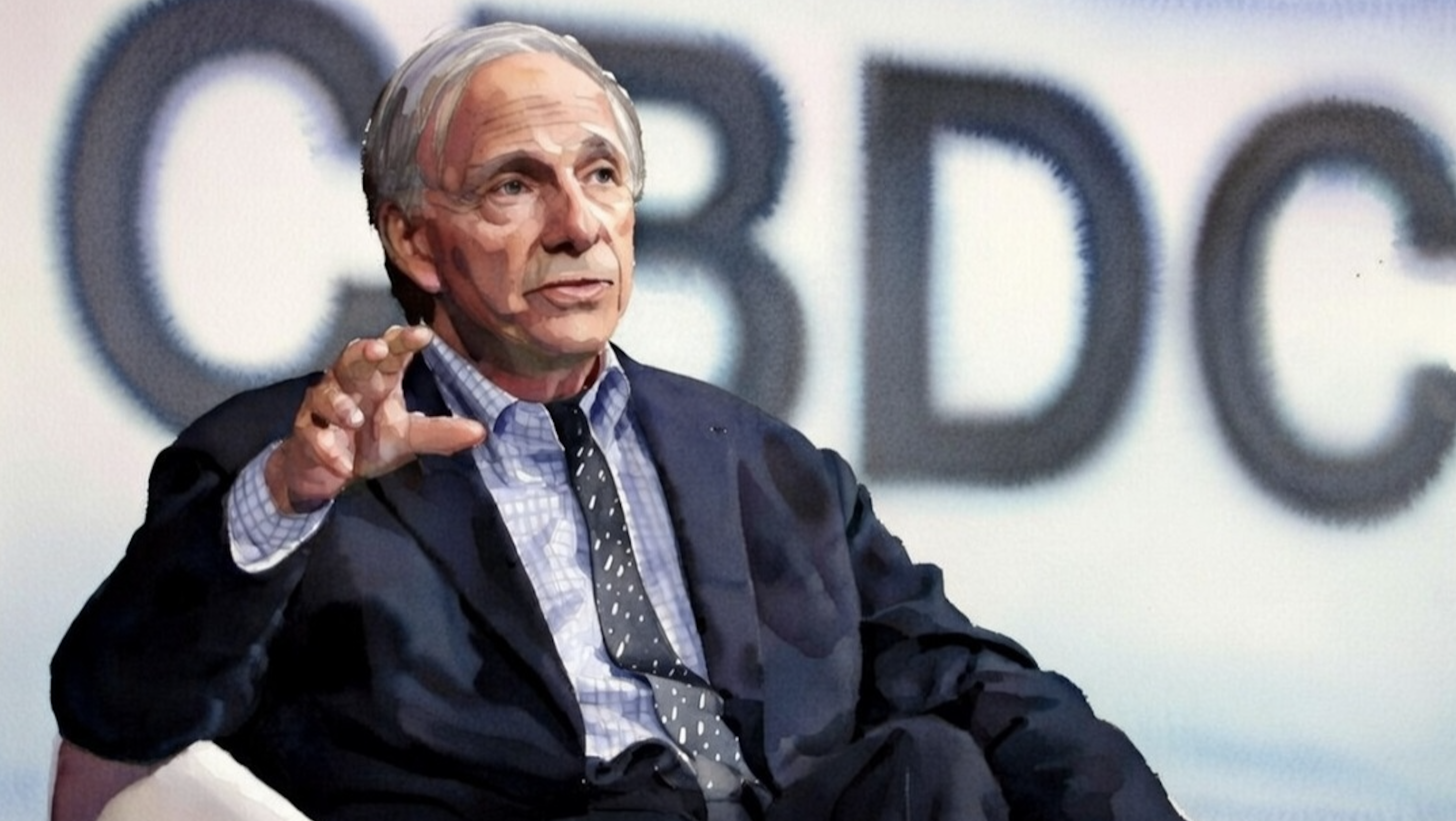
Hedge fund manager Ray Dalio warned this week that central bank digital currencies are likely to be adopted but could eliminate financial privacy and expand government control over payments.
In an interview on the Tucker Carlson Show published on 9 February 2026, Dalio said he expects central bank digital currencies to arrive because they can make transactions easier. He compared their potential utility to money market funds in terms of convenience, while arguing that they may not be attractive to hold if they do not pay interest and users still face currency depreciation.
Dalio also argued that a CBDC system would make transactions visible to authorities. He described that as useful for policing illegal activity, but warned it could become a broader control mechanism, including the ability to tax more directly, seize funds, impose foreign exchange restrictions, and enforce sanctions by freezing or restricting access for certain groups. He also raised the risk that individuals could be cut off from a CBDC system if they are politically disfavored.
In the United States, a CBDC remains unlikely in the near term given President Donald Trump’s public opposition. Soon after taking office in January 2025, Trump signed an executive order prohibiting the establishment, issuance, circulation, and use of a U.S. CBDC.
Globally, only a small number of countries have launched CBDCs. The Atlantic Council’s CBDC tracker lists Nigeria, Jamaica, and The Bahamas as having officially launched a CBDC, while dozens of other jurisdictions are running pilots or developing projects. The tracker also lists major economies, including China, Russia, India, and Brazil, among countries testing a CBDC, and notes that India has discussed additional initiatives tied to cross-border payments.
The material on GNcrypto is intended solely for informational use and must not be regarded as financial advice. We make every effort to keep the content accurate and current, but we cannot warrant its precision, completeness, or reliability. GNcrypto does not take responsibility for any mistakes, omissions, or financial losses resulting from reliance on this information. Any actions you take based on this content are done at your own risk. Always conduct independent research and seek guidance from a qualified specialist. For further details, please review our Terms, Privacy Policy and Disclaimers.
Articles by this author