Canada proposes ban on crypto ATMs as scam losses rise
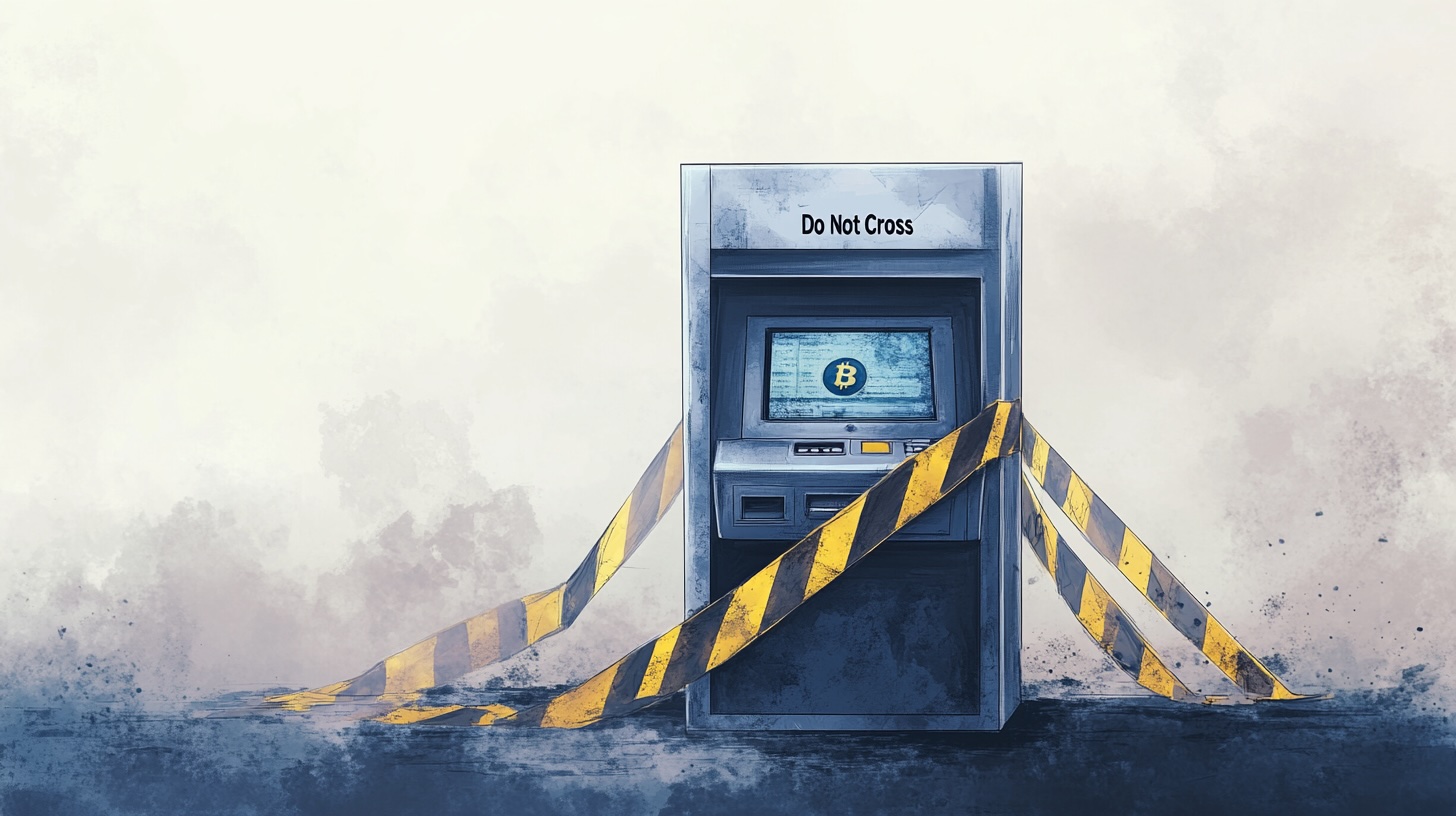
Ottawa proposes phasing out standalone crypto ATMs, calling kiosks a primary tool for scammers and money launderers; purchases would remain allowed at registered money services businesses.
The Canadian government has proposed banning standalone Bitcoin and other cryptocurrency ATMs and phasing them out while allowing purchases at registered brick-and-mortar money services businesses.
Ottawa unveiled the proposal in the Spring Economic Update 2026, published April 28. The update states crypto ATMs are a “primary method for scammers to defraud victims and for criminals to place their cash proceeds of crime” and explicitly notes the government “proposes to ban crypto ATMs.” U.S. crypto fraud losses from ATM scams reached a record $11.366 billion in 2025. Under the plan, Canadians would still be able to buy virtual currencies from regulated money services businesses that meet federal registration and compliance requirements.
Officials describe the kiosks, commonly located in malls, gas stations and corner stores, as a frequent on-ramp for fraudsters and money launderers who instruct victims to deposit cash into the machines. An internal analysis by the federal financial intelligence agency FINTRAC found crypto ATMs have become a principal method used by domestic and foreign fraudsters to extract cash from Canadian victims and convert it into digital assets.
An industry tracker estimates Canada accounts for roughly 10% of global crypto ATMs, second only to the United States. Canada hosted the world’s first publicly available Bitcoin ATM in Vancouver in 2013.
The proposed ATM ban forms part of a broader regulatory package in the Spring Economic Update. The package includes plans to bolster a new Financial Crimes Agency, expand FINTRAC’s power to refuse or revoke registrations for non-compliant money services businesses, and increase oversight of retail-facing crypto services.
Ottawa is also advancing a federal stablecoin framework under Bill C-15 that would place supervision of fiat-referenced digital tokens with the Bank of Canada, require issuers to register, fully back reserves and redeem at par. Most rules are expected to take effect after regulations are finalized ahead of an anticipated 2027 start date. Separately, Bill C-25 would bar cryptocurrency donations in federal political campaigns on traceability and foreign interference grounds.
The announcement does not include a detailed national timetable for removing kiosks but indicates a phased approach to wind down standalone machines while preserving access through regulated providers. FINTRAC would receive enhanced enforcement tools to act against money services businesses that fail to meet registration and anti-money-laundering requirements.
The government text does not include comments from industry groups or operators of crypto kiosks.
The material on GNcrypto is intended solely for informational use and must not be regarded as financial advice. We make every effort to keep the content accurate and current, but we cannot warrant its precision, completeness, or reliability. GNcrypto does not take responsibility for any mistakes, omissions, or financial losses resulting from reliance on this information. Any actions you take based on this content are done at your own risk. Always conduct independent research and seek guidance from a qualified specialist. For further details, please review our Terms, Privacy Policy and Disclaimers.
Articles by this author