Can you use Kraken in the US? Access rules and state limits
If you live in the United States, where Kraken operates in its home market and holds regulatory licenses, keep in mind that access isn’t the same across all states. The question isn’t only whether you can open an account, but which deposit/withdrawal methods and products you’ll be able to use in your region.
Here’s a plain-English breakdown of how Kraken works for U.S. users: what the exchange is, why it can legally serve clients in the U.S., and which restrictions you may run into at the state level.
What Kraken is and what it offers for U.S. traders
Kraken is one of the largest centralized crypto exchanges, with a strong focus on spot trading, basic “buy-and-hold” investing, and advanced tools for traders (Kraken Pro, API access, limit/stop orders). For U.S. users, this means legal access to trading crypto assets against USD and using bank transfers where they’re permitted.
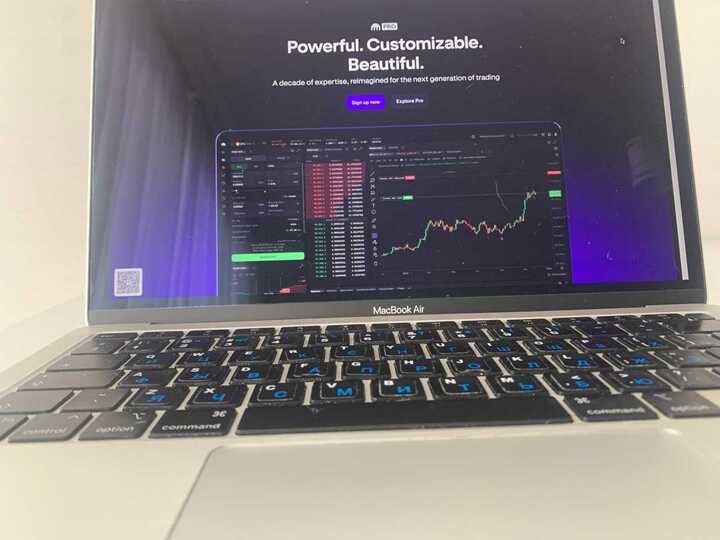
When answering the question “does Kraken work in USA?”, it’s important to separate access to the exchange from access to specific features. In most states, the trading account and spot market are available, but some options can be limited due to local rules and banking infrastructure.
Here’s what U.S. users typically get on Kraken (with state-level caveats):
- Spot buying and selling, including limit and market orders
- A separate Kraken Pro interface for more active trading and analysis
- USD deposits and withdrawals via supported banking methods
- Expanded account security settings (2FA, device management, withdrawal address allowlists)
- Access to some additional products, if they’re available for your client category and state
How Kraken complies with U.S. regulations and stays available
The key reason why is Kraken available in the US for most states is its “layered” compliance model: meeting federal requirements first, then adapting to each state’s rules. In the U.S., crypto exchanges typically must follow KYC/AML procedures (identity verification, transaction monitoring, and related reporting), and, depending on the services offered, obtain money-transmitter licenses at the state level.
Kraken states that its U.S. entities are registered as a Money Services Business (MSB) with FinCEN and hold a set of licenses/registrations in specific jurisdictions, with details disclosed in legal notices and through NMLS Consumer Access.
However, different Kraken products may be subject to different regulations. For example, certain derivatives products in the U.S. are tied to licensed infrastructure and require separate “unlocking” and acceptance of additional terms, while margin trading for some clients is restricted and depends on meeting eligibility criteria.
The practical takeaway: if the exchange asks for identity verification, source-of-funds details, or additional risk acknowledgements, that’s not a “whim”; it’s a normal part of compliance when operating across different states.
State-level restrictions to know about before using Kraken
The most important thing to know up front: Kraken explicitly states it does not serve residents of certain states. As of the latest updates on the exchange’s official help pages, the service is unavailable for residents of New York (NY) and Maine (ME).
After that comes the “gray zone” of details: even if your state is generally supported, specific deposit/withdrawal methods and related features can be limited by your KYC status, banking partners, and local rules. Kraken separately notes that fiat transfers are not available in certain states (as of today: Indiana, Louisiana, Massachusetts, and Utah), and it provides examples of more targeted restrictions related to specific cryptocurrencies and funding methods.
To answer can you use Kraken in the US for your exact situation, follow this quick checklist:
- Check geographic restrictions and transfer limitations on Kraken’s official support page.
- Make sure your profile shows your current address and be ready to upload proof of residence if needed.
- Choose a funding method that’s supported in your state (bank transfer, ACH/Plaid, or an alternative depending on what’s available).
- Start with a small test deposit and one simple spot trade to verify deposits, withdrawals, and fees in practice.
- If you plan to use margin or derivatives, review the access requirements and how to enable these features in your account in advance.
In short, for most U.S. users Kraken is a good option for spot trading but your state of residence and your chosen funding method make the final call. If you’re not in NY/ME and you have an available way to fund the account, the exchange typically lets you trade without unnecessary friction after standard identity verification.
The material on GNcrypto is intended solely for informational use and must not be regarded as financial advice. We make every effort to keep the content accurate and current, but we cannot warrant its precision, completeness, or reliability. GNcrypto does not take responsibility for any mistakes, omissions, or financial losses resulting from reliance on this information. Any actions you take based on this content are done at your own risk. Always conduct independent research and seek guidance from a qualified specialist. For further details, please review our Terms, Privacy Policy and Disclaimers.
Articles by this author