Vitalik Buterin condemns the criminal prosecution of Tornado Cash developers
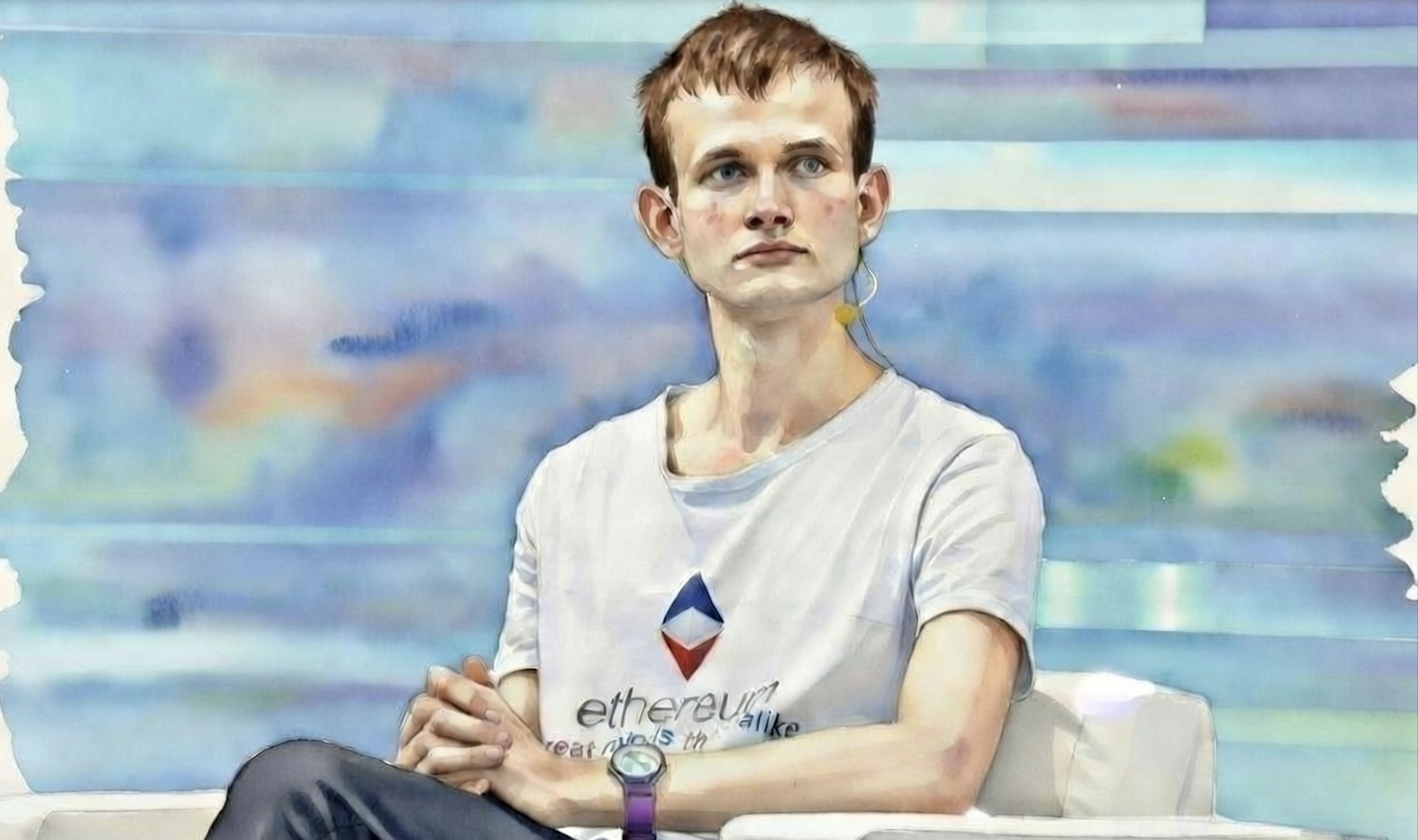
Vitalik Buterin has issued an open letter defending Roman Storm, the Tornado Cash co-developer awaiting sentencing in the U.S. after being convicted of conspiring to operate an unlicensed money-transmitting business. He faces up to five years in prison.
Buterin said the case against Storm effectively criminalizes writing code and sends a troubling signal to developers working on financial privacy tools. He argued that the prosecution is based not on demonstrable harm, but on the mere creation of software that could be misused by bad actors.
According to Buterin, mixer Tornado Cash is an example of essential privacy infrastructure in an era of pervasive surveillance. He noted that he has used Storm’s tools to buy technical equipment and donate to charitable causes without exposing personal data to corporate or government systems.
He described Storm as a developer committed to privacy and long-term project integrity: “He built functional, reliable tools — not marketing products that hide technical weaknesses.”
Storm’s legal defense is being funded by the crypto community. In 2025, a relief fund raised more than $6.3 million, with contributions from Buterin, the Ethereum Foundation, and several independent privacy researchers. The foundation earlier contributed $500,000 and pledged up to $750,000 in community match funding.
Support has also come from beyond the Ethereum ecosystem. The Solana Policy Institute donated $500,000, while other industry participants added hundreds of thousands of dollars more.
Storm’s case is part of a broader global crackdown on privacy-tech developers. Tornado Cash co-creator Alexey Pertsev was sentenced to 64 months in the Netherlands, and in the U.S., the founders of Samourai Wallet were arrested on charges tied to more than $2 billion in laundered funds.
As scrutiny of privacy-related code intensifies, the crypto industry is pushing for legal safeguards. More than 110 companies have petitioned the U.S. Senate to protect developers, arguing that writing code should not be treated as a criminal act.
Storm’s case remains a pivotal test for the U.S. legal system — one that concerns not only financial privacy, but the future of open-source software development itself.
The material on GNcrypto is intended solely for informational use and must not be regarded as financial advice. We make every effort to keep the content accurate and current, but we cannot warrant its precision, completeness, or reliability. GNcrypto does not take responsibility for any mistakes, omissions, or financial losses resulting from reliance on this information. Any actions you take based on this content are done at your own risk. Always conduct independent research and seek guidance from a qualified specialist. For further details, please review our Terms, Privacy Policy and Disclaimers.
Articles by this author