Bank of Japan to test tokenized reserves for blockchain settlement
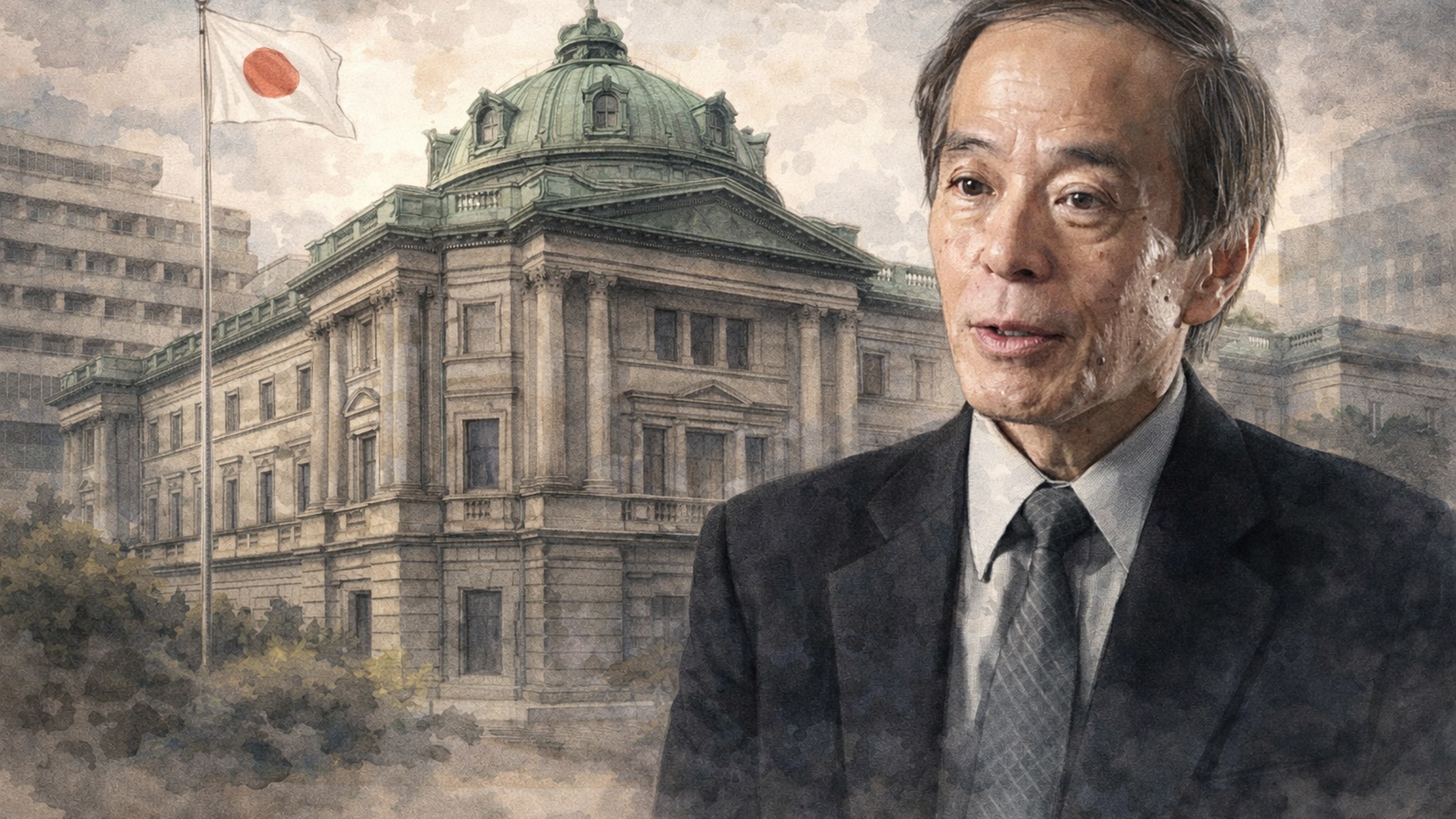
The Bank of Japan (BOJ) will pilot tokenized reserves on blockchain for interbank and securities settlement, Governor Kazuo Ueda told FIN/SUM Tokyo, confirming a sandbox using BOJ current account deposits.
In his remarks, Ueda explained that experiments will model how these balances are represented and transferred on blockchain platforms. The sandbox will use BOJ current account deposits-the reserves commercial banks hold at the central bank-to see whether central bank money can operate on distributed ledgers. He described the effort as an adjustment to a “new financial ecosystem,” where tokenization and smart contracts could automate parts of settlement.
The tests will examine connections with existing payment and securities rails. Focus areas include domestic interbank transfers and delivery-versus-payment for securities. Teams will assess operating models that keep safety and reliability. No timeline for public deployment was given.
“We intend to make further progress while gaining the support of external experts, exploring methods of connection with the existing system as well as examining use cases such as domestic interbank settlement and securities settlement,” Ueda stated.
The initiative aligns with Project Agora, led by the Bank for International Settlements, which brings central banks together to trial cross-border wholesale settlement using tokenized central bank money. According to Ueda, participants are studying a framework in which central banks, including the BOJ, issue tokenized deposits with embedded smart contracts to streamline complex transaction flows. “If this project comes to fruition, it may bring innovation in terms of streamlining cross-border payments,” he added.
Alongside the wholesale work, the BOJ is running a pilot for a potential retail central bank digital currency. The bank is testing core infrastructure and operates a CBDC Forum with private-sector firms for technical and operational input. Ueda noted that the forum will be reorganized in its next phase to broaden discussion beyond system design. He gave no timeline or decision on issuance.
The tokenized-reserves pilot will study whether programmable features enable near-instant clearing, conditional payments and synchronized delivery of cash and assets. In securities markets, combining tokens for cash and assets on one platform could reduce settlement risk and back-office steps. For interbank payments, blockchain-based transfers could shorten processing times and improve real-time reconciliation.
Ueda highlighted the need to link any new platform with existing large-value payment and securities systems, which depend on standardized messaging, risk controls and liquidity management. The sandbox will test how tokenized central bank liabilities interoperate with current systems while preserving finality and compliance.
Policy discussions in Japan continue. In January, Finance Minister Satsuki Katayama voiced support for linking crypto assets with traditional markets, noting that stock and commodity exchanges could help expand public access to blockchain-based assets. In November 2025, the Financial Services Agency finalized a plan to reclassify 105 cryptocurrencies, including bitcoin and ether, as financial products under existing regulations.
The next phase of work will involve collaboration with commercial banks, market infrastructures and technology providers. The BOJ plans to draw on external experts while assessing potential benefits, operational risks and legal issues tied to representing central bank money on programmable platforms.
The material on GNcrypto is intended solely for informational use and must not be regarded as financial advice. We make every effort to keep the content accurate and current, but we cannot warrant its precision, completeness, or reliability. GNcrypto does not take responsibility for any mistakes, omissions, or financial losses resulting from reliance on this information. Any actions you take based on this content are done at your own risk. Always conduct independent research and seek guidance from a qualified specialist. For further details, please review our Terms, Privacy Policy and Disclaimers.
Articles by this author