Bitcoin price pulls back to $70K ahead of monthly U.S. jobs report

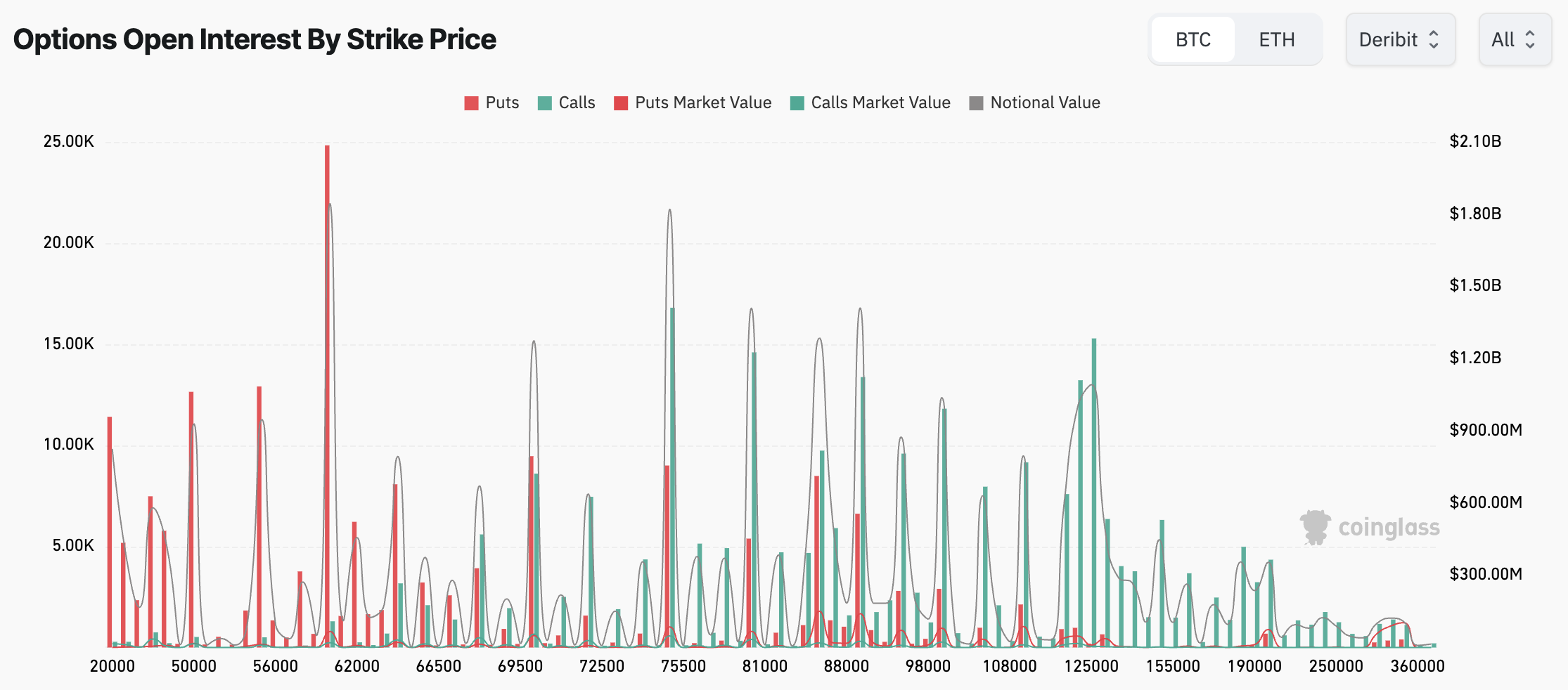
Bitcoin slipped toward $70,000 before the U.S. jobs report, which is forecast to show 4.3% unemployment and 59,000 new jobs. Options traders priced in downside risk, with puts costlier than calls and the largest open interest near $60,000.
Bitcoin briefly rose above $74,000 on March 4, its highest in a month, after rebounding from a weekend low near $63,000 during tensions in the Middle East. On March 6, it slipped toward $70,000 ahead of the U.S. monthly jobs report, with unemployment projected at 4.3% and nonfarm payrolls expected to reach 59,000.
Options positioning leaned defensive. The biggest cluster of open interest sat near $60,000 strike prices, and put contracts remained pricier than calls. Across major venues, total options open interest climbed to about $16 billion from $13 billion since the start of the week, then steadied as spot prices paused.
Perpetual futures funding rates, which slipped negative over the weekend as short bets increased, drifted back toward flat. “Positioning still seems fairly bearish,” noted Greg Guttas, head of OTC trading at Flowdesk. “Funding rates on perpetual futures are roughly flat but off the weekend lows, where they were negative. Puts are still more expensive than calls.”
Alex Kuptsikevich, chief market analyst at FxPro, described the break through a four-week resistance band as “an encouraging surge” driven by short covering, while cautioning that “the bulls still have to convince the community that the bear market is over.” Since March 2, about $861 million of short positions were liquidated, compared with roughly $536 million in long liquidations.
Liquidity stayed thin. Market depth – the value of buy and sell orders within 1% of the mid-price – was down about 36% from last year’s peak, limiting the ability to absorb larger trades without wider price swings.
US-listed spot Bitcoin ETFs log $683 million inflows on March 2-3 and more than $900 million so far in March. Adam Haeems, head of asset management at Tesseract Group, linked the week’s jump to short sellers buying back in a market with limited sell-side liquidity and renewed ETF demand, adding that it did not mark a broad return of bullish conviction. Haeems also pointed to the rise in crude oil during the conflict in the Middle East as a longer-term risk, noting that higher inflation could prompt tighter Federal Reserve policy, a backdrop that has pressured digital assets in past cycles.
The material on GNcrypto is intended solely for informational use and must not be regarded as financial advice. We make every effort to keep the content accurate and current, but we cannot warrant its precision, completeness, or reliability. GNcrypto does not take responsibility for any mistakes, omissions, or financial losses resulting from reliance on this information. Any actions you take based on this content are done at your own risk. Always conduct independent research and seek guidance from a qualified specialist. For further details, please review our Terms, Privacy Policy and Disclaimers.
Articles by this author