Bitcoin Miners Shut Down Machines as AI Costs Rise
Bitcoin miners are switching off unprofitable machines as Bitcoin’s price falls below estimated production costs. AI and HPC investments are adding pressure, while network hash rate is down 8% year over year.
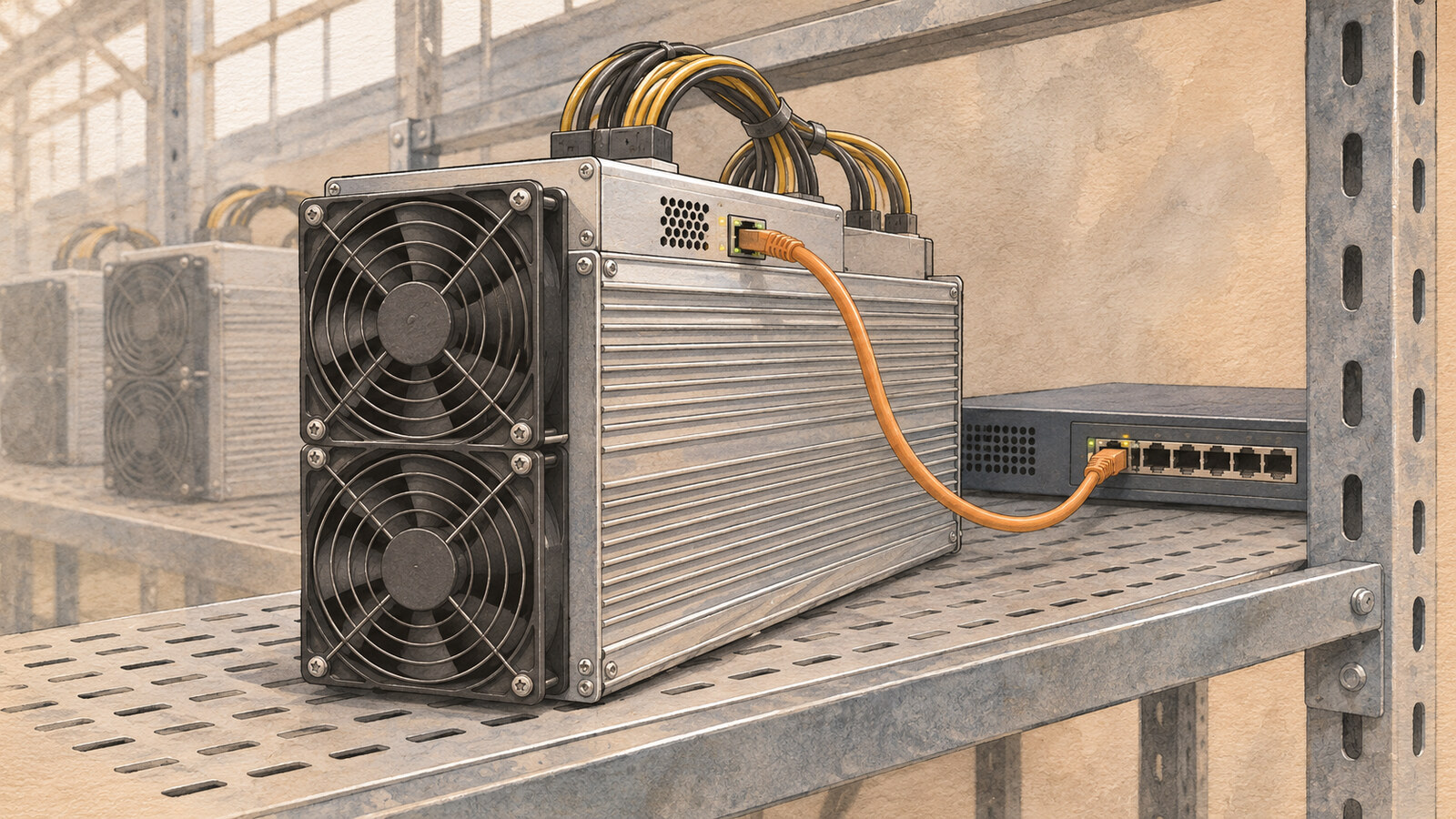
Bitcoin miners are shutting down machines as lower prices reduce revenue below production costs. Investments in artificial intelligence (AI) and high-performance computing (HPC) are adding to their expenses. Glassnode data shows that Bitcoin’s network hash rate has fallen 8% from a year earlier.
The decline is the first annual drop in Bitcoin’s hash rate since China’s 2021 ban on crypto mining. Glassnode linked the latest fall mainly to weaker mining profitability, rather than to a regulatory shutdown. Mining revenue has reached record lows, prompting operators to switch off machines that cost more to run than the Bitcoin they produce.
Bitcoin recently traded near $55,000, its lowest price in more than two years. Hashrate Index data shows that hash price, which measures miners’ revenue, fell to its lowest level in at least a year. JPMorgan estimates that the average cost of mining one Bitcoin is about $86,000, leaving some operators unable to recover their expenses through sales.
Profitability varies according to electricity prices, equipment efficiency and other operating costs. Companies using older machines or paying higher power rates face larger losses. Smaller miners generally have fewer financing options and less efficient equipment.
Some miners are considering selling Bitcoin reserves to pay for electricity, salaries and other costs. Mark Zalan, CEO of GoMining, warned that companies may need to sell more of their holdings to cover those expenses. MARA Holdings, Core Scientific and CleanSpark have reduced their Bitcoin reserves.
American Bitcoin, a mining company backed by members of the Trump family, had previously said it would retain every Bitcoin it mined. The company sold part of its holdings in the third quarter to cover operating expenses. Mining stocks have also declined. MARA is down 40% this year, CleanSpark has fallen 50% and American Bitcoin has lost about 85% of its value since December 2025.
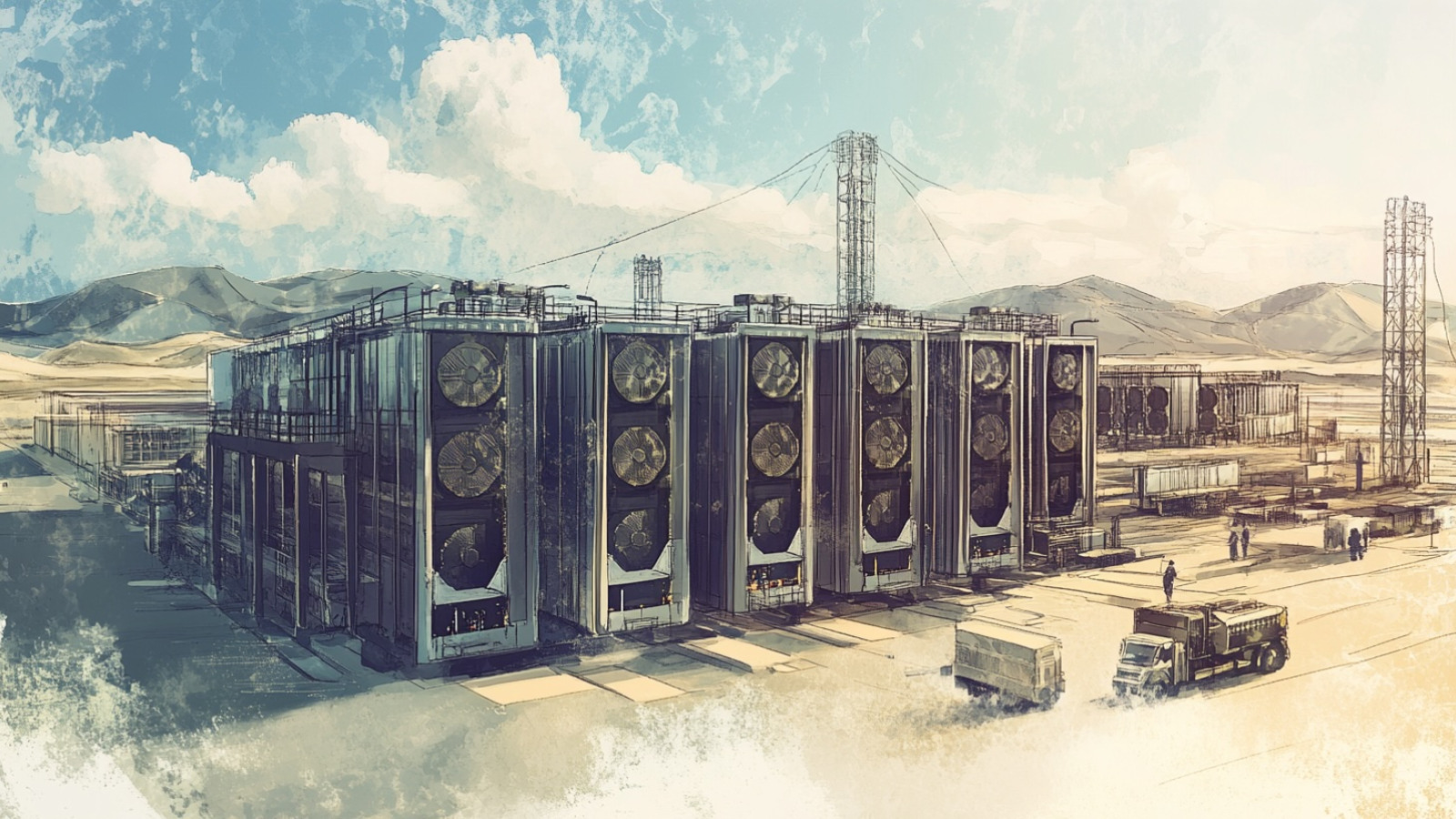
Mining companies are committing billions of dollars to AI and HPC infrastructure. They are converting mining facilities into data centers, buying specialized computing equipment, upgrading cooling systems and securing electricity supplies for AI customers. The projects require capital while companies continue to fund their mining operations.
The AI investments could create additional revenue sources over time, but they are increasing short-term financial demands while Bitcoin revenue is falling. Miners are funding infrastructure upgrades and existing operating costs at the same time.
Wallets that have held Bitcoin untouched for at least 10 years accumulated about 230,000 BTC over the past year, or roughly 630 BTC per day. That exceeded the approximately 450 BTC mined each day during the same period.
These long-term holders control about 3.6 million BTC, equal to nearly 18% of Bitcoin’s circulating supply. Miners facing costs above revenue may respond by shutting down equipment, selling reserves or allocating more resources to AI infrastructure.
Reviewed and fact-checked by Alex Panasenko on November 27.
Articles by this author