Bitcoin Depot adds ID checks to curb scams at U.S. crypto ATMs
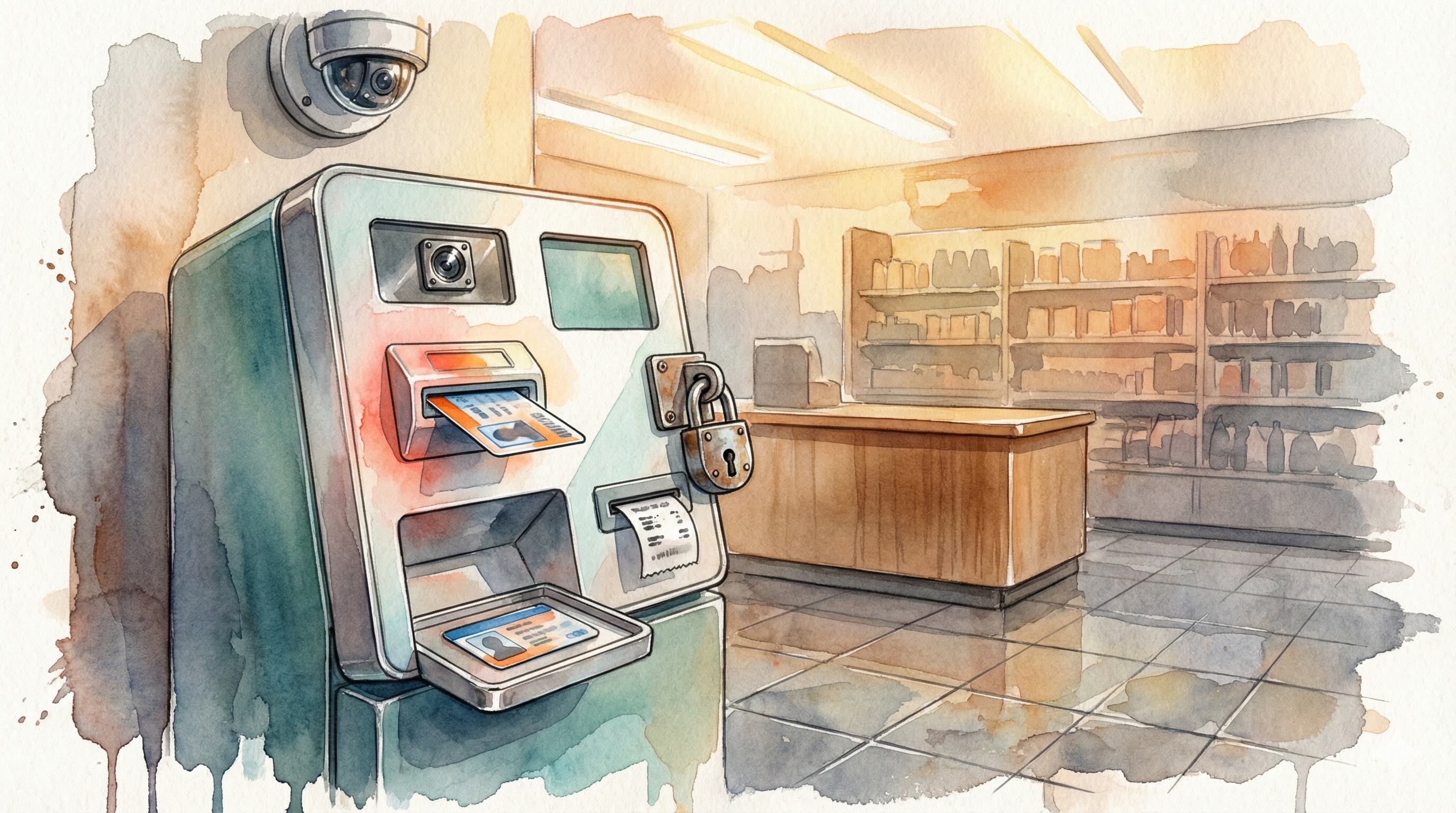
Bitcoin Depot began phasing in ID checks for every transaction at its 9,019 U.S. crypto ATMs in February to detect suspicious activity amid state lawsuits and new scam-protection laws.
Bitcoin Depot is rolling out ID verification for every transaction at its U.S. crypto ATMs, a policy the company began phasing in across 9,019 kiosks in February to spot and block suspicious activity before approval.
The effort builds on an October change that required identification for all new users. Extending checks to each purchase or sale is aimed at preventing account sharing, identity theft and account takeovers, with reviews conducted in real time by location, customer history or amount.
In a statement, CEO Scott Buchanan wrote: “Continuous verification allows us to detect suspicious activity based on customers, locations, or transaction amount before a transaction is approved.” He added: “By requiring identity verification at every transaction, we are taking an additional step to strengthen security, protect customers, and maintain the integrity of our services.”
The United States is the largest market for crypto ATMs, with 31,360 machines, representing about 78% of the global total. Bitcoin Depot leads the U.S. market with 9,019 kiosks.
Operators face increased attention from regulators and lawmakers as scammers direct victims to convert cash at crypto ATMs, where transactions are irreversible and machines are widely accessible.
Seventeen states have enacted laws requiring safeguards such as daily transaction limits, fraud warning signs and licensing, with many measures aimed at reducing scam losses.
Legal pressure on Bitcoin Depot has mounted. Earlier in February, Massachusetts Attorney General Andrea Campbell filed a lawsuit alleging insufficient protections and seeking a court order to block large transactions without additional user safeguards.
In January, Maine Attorney General Aaron Frey announced a $1.9 million settlement with the company to reimburse people who lost money to scams. In 2025, Iowa Attorney General Brenna Bird brought a case against Bitcoin Depot and competitor Coinflip, alleging they failed to adopt adequate anti-fraud measures.
Bitcoin Depot describes the expanded checks as a way to detect patterns and stop high-risk transactions before cash is converted to crypto. The policy applies across its U.S. network and is being rolled out through February. The system ties identity verification to each kiosk transaction rather than only at account creation.
Law enforcement and consumer agencies have warned that criminals often instruct victims to deposit cash into crypto ATMs so funds can be quickly converted and sent to wallets under their control. Regulators have urged operators to install stronger controls that can delay or block questionable transfers and provide clearer warnings at the point of sale.
The material on GNcrypto is intended solely for informational use and must not be regarded as financial advice. We make every effort to keep the content accurate and current, but we cannot warrant its precision, completeness, or reliability. GNcrypto does not take responsibility for any mistakes, omissions, or financial losses resulting from reliance on this information. Any actions you take based on this content are done at your own risk. Always conduct independent research and seek guidance from a qualified specialist. For further details, please review our Terms, Privacy Policy and Disclaimers.
Articles by this author