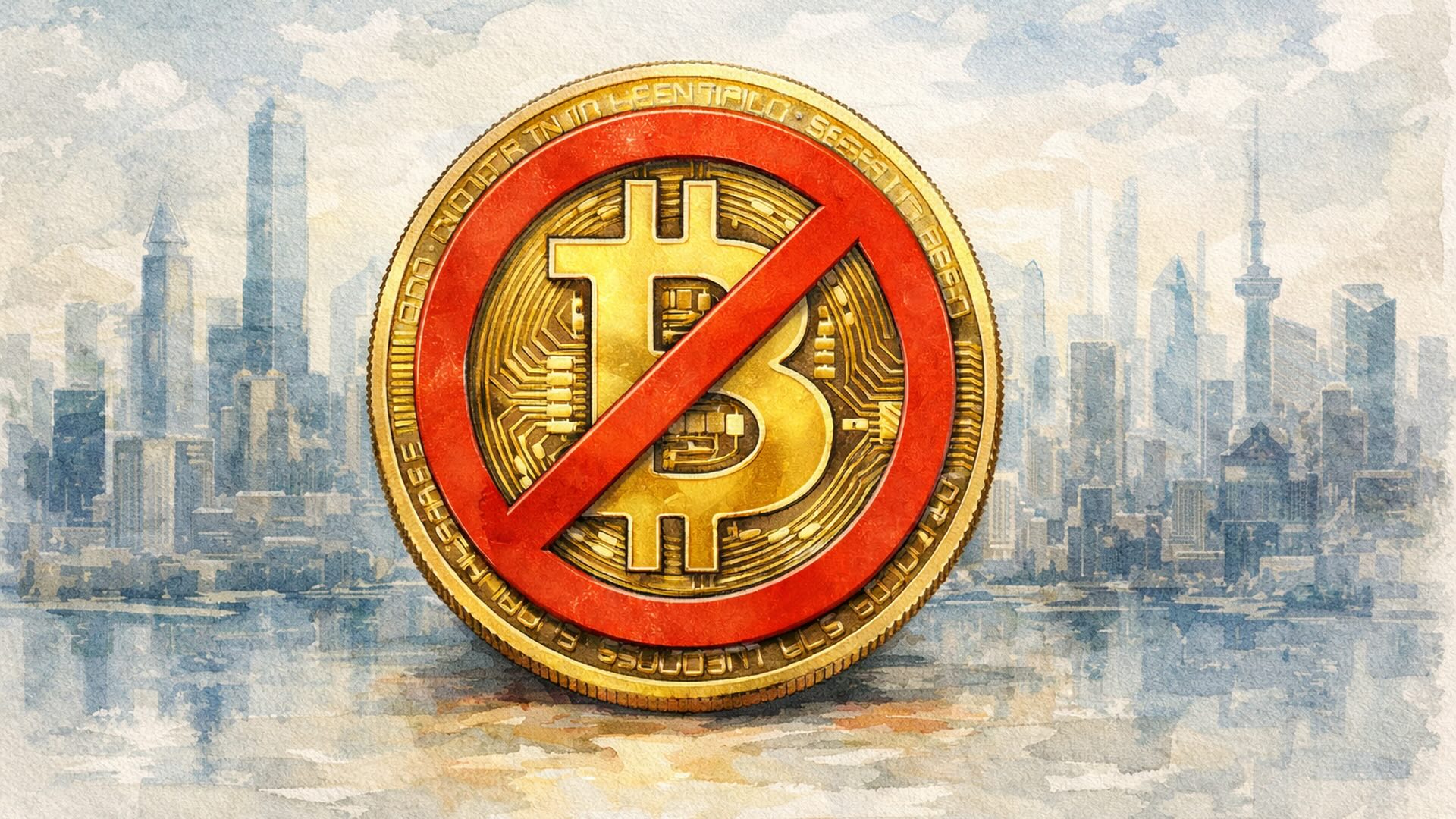
Binance rejects report on Iran-linked dismissals
Binance said it did not dismiss compliance investigators for raising concerns about potential sanctions exposure, pushing back on a report that claimed members of its investigations unit were removed after flagging activity linked to Iran.
The exchange said it conducted an internal review with outside legal advice and found no evidence it violated applicable sanctions laws in connection with the referenced activity. Binance also rejected the suggestion that it failed to meet regulatory obligations under ongoing oversight, according to statements published in recent days.
The dispute centers on allegations that internal investigators identified more than $1 billion in Tether (USDT) flows routed through the exchange to Iran-linked entities over a multi-month period, using the Tron blockchain. The report said investigators had documented the activity and that multiple compliance personnel were later fired or pushed out over a period beginning in late 2025.
In its response, Binance said the claims about staff actions and sanctions-related activity were inaccurate. The company has framed the episode as part of a broader effort to “set the record straight” about its controls, pointing to what it described as sizable changes in screening, monitoring and risk governance since early 2024.
Binance has also highlighted an internal metric it says shows sanctions-related activity now represents a small share of total trading volume. In a Feb. 23 post, Binance said its exposure to sanctioned entities and high-risk jurisdictions fell about 97% since January 2024, and put “sanctions-related activity” at 0.009% of total exchange volume.
The denials come as the company continues to face heightened scrutiny over compliance practices following earlier regulatory actions and settlements, with the latest allegations reviving questions about how the exchange handles sanctions screening and escalations. Binance’s public position is that it has strengthened its systems, narrowed risk exposure and operates with ongoing oversight.
Separately, Binance co-CEO Richard Teng has used recent public appearances to address another pressure point for the exchange: criticism tied to the Oct. 10 market dislocation that triggered a wave of liquidations across crypto venues. Teng has said the Oct. 10 liquidation cascade was driven by macro and geopolitical shocks and was not a single-venue event, describing roughly $19 billion in liquidations across centralized and decentralized exchanges and noting a concentrated window of stress during the episode.
While the Oct. 10 comments are not directly related to the sanctions allegations, they have been part of Binance’s broader effort to rebut narratives that attribute recent market and compliance controversies to internal failures at the exchange.
The staffing allegation has drawn additional attention because it focuses on investigators responsible for financial crime and sanctions-evasion work, with the report describing departures among senior compliance employees and investigators over several months. Binance has not confirmed those characterizations and has instead emphasized that its compliance program is expanding and that it continues to invest in monitoring and controls.
The key factual dispute remains whether the reported Iran-linked flows occurred in the manner described and whether any personnel actions were tied to internal escalation of that activity. The company’s public statements have not detailed the underlying transactional data, but have repeatedly pointed to the findings of its internal review and external legal input as the basis for its denial.
The material on GNcrypto is intended solely for informational use and must not be regarded as financial advice. We make every effort to keep the content accurate and current, but we cannot warrant its precision, completeness, or reliability. GNcrypto does not take responsibility for any mistakes, omissions, or financial losses resulting from reliance on this information. Any actions you take based on this content are done at your own risk. Always conduct independent research and seek guidance from a qualified specialist. For further details, please review our Terms, Privacy Policy and Disclaimers.
Articles by this author