U.S. Treasury urges rapid passage of the CLARITY Act
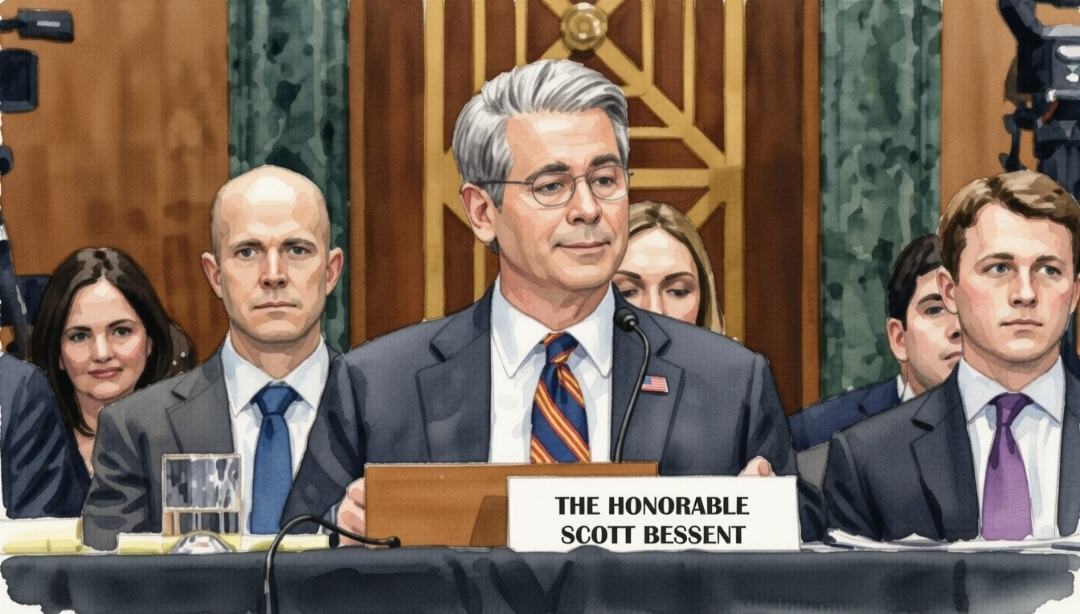
The U.S. Treasury has increased pressure on the Senate to pass the CLARITY Act as soon as possible. Talks on stablecoin yields have advanced, but no final agreement has been reached.
U.S. Treasury Secretary Scott Bessent has called on the Senate to accelerate passage of the CLARITY Act – the cornerstone bill meant to define the regulatory framework for stablecoins, digital assets, and industry firms. Bessent sharply criticized crypto companies opposing the legislation, saying those unwilling to operate under a regulated regime “should leave the country.”
The criticism was aimed primarily at Coinbase, whose CEO Brian Armstrong withdrew support for the CLARITY Act over disagreements on stablecoin yields. Armstrong argues that banks should compete on equal terms and be allowed to issue stablecoins with more attractive rates for investors. But in the Senate, the bill has already passed the Agriculture Committee – 12 to 11 – strictly along party lines, with no Democratic support.
The White House has stepped into the negotiations to resolve the main sticking point: stablecoin yield rules. On 10 February, the Trump administration held a second meeting with representatives from the banking sector and the crypto industry. The session was chaired by Patrick Witt of the President’s Advisory Council on Digital Assets. According to industry participants, including Ripple counsel Stuart Alderoty, “a compromise is in the air,” though no concrete agreement has yet been reached.
Progress on the CLARITY Act carries both economic and political weight. More than 50 million Americans now use digital assets – a significant voting bloc ahead of the 2026 midterms. For Trump, passing the bill is a signal of commitment to expanding the U.S. crypto market and strengthening the nation’s role in the global financial system.
Market activity has also intensified amid the regulatory push. On-chain data shows that addresses holding at least 1,000 BTC have resumed accumulation – rising to around 2,050 after previously falling below 2,000. Analysts link the renewed interest among large holders to expectations of clearer rules once the bill passes.
Experts note that successful approval of the CLARITY Act could boost investor confidence, improve stablecoin regulatory transparency, and attract new capital to the market. But the yield question remains the primary obstacle: without a unified model for interest payments, stablecoin issuers and banks continue to exert pressure on lawmakers.
There is still no final agreement, but the fact that the White House has convened negotiators twice signals a clear intent to secure a deal – and make the CLARITY Act the centerpiece of the 2026 crypto regulatory agenda.
The material on GNcrypto is intended solely for informational use and must not be regarded as financial advice. We make every effort to keep the content accurate and current, but we cannot warrant its precision, completeness, or reliability. GNcrypto does not take responsibility for any mistakes, omissions, or financial losses resulting from reliance on this information. Any actions you take based on this content are done at your own risk. Always conduct independent research and seek guidance from a qualified specialist. For further details, please review our Terms, Privacy Policy and Disclaimers.
Articles by this author