BC Card completes stablecoin pilot for visitors in South Korea

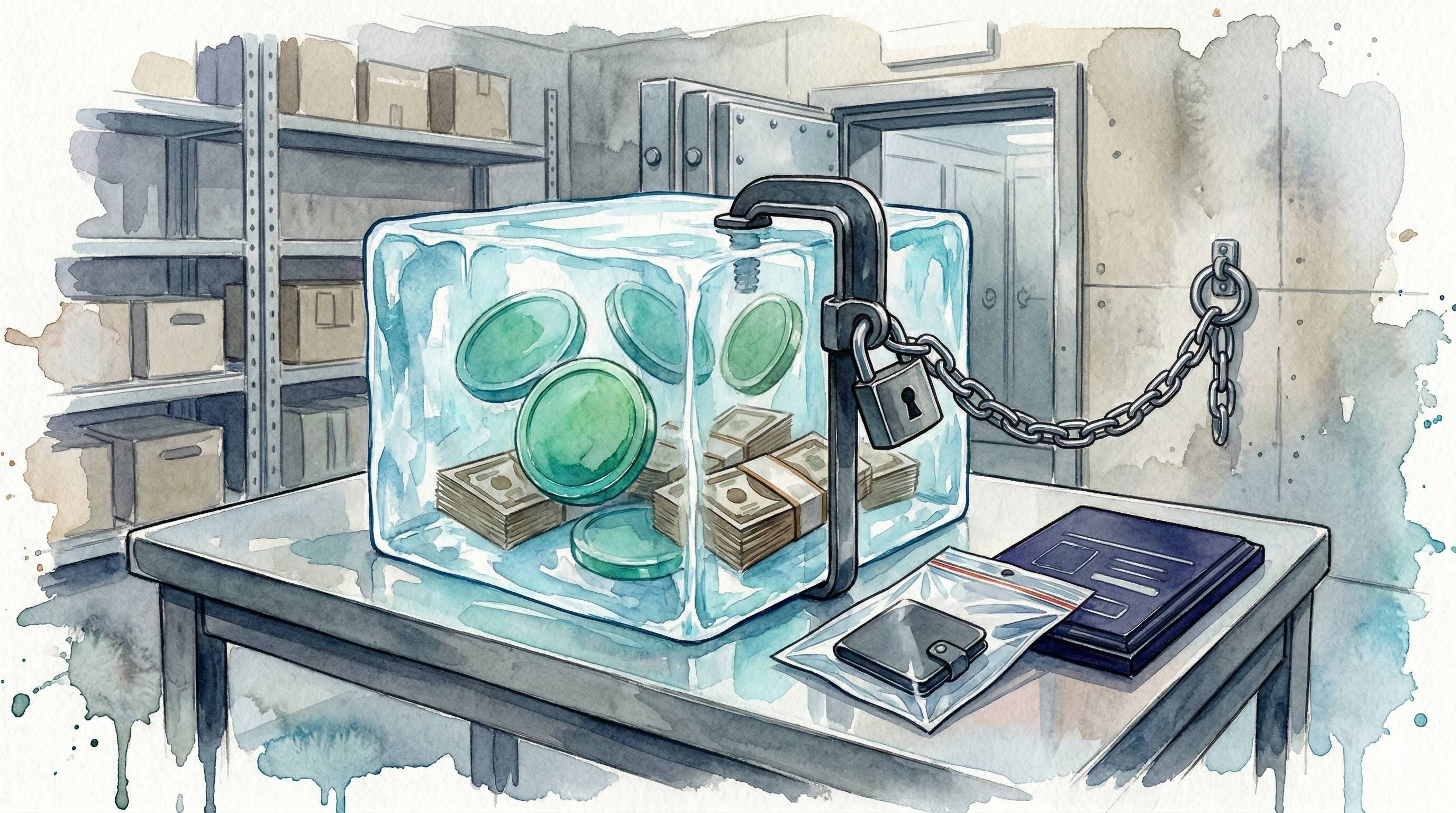
BC Card finished a pilot that let foreign users spend stablecoins in South Korea by converting them into digital prepaid cards, working with Wavebridge, Aaron Group and Global Money Express.
BC Card announced on Tuesday that it completed a pilot that let foreign users pay South Korean merchants by converting stablecoins held in partnered overseas wallets into digital prepaid cards. The pilot ran with Wavebridge, Aaron Group and Global Money Express and is part of preparations for a broader stablecoin payment structure.
In the test, users exchanged stablecoins for digital prepaid cards that could be used across BC Card’s merchant network in South Korea.
BC Card is among the country’s largest payment processors, handling more than 20% of domestic card transactions and connecting roughly 3.4 million merchants. The company is majority-owned by KT Corp, one of South Korea’s three major telecom companies.
Stablecoin rules in South Korea are still being formed. Earlier this month, the Financial Services Commission did not submit a draft proposal by a previously set deadline, amid disagreements with the Bank of Korea. One point under discussion is whether banks should be required to own at least 51% of any licensed stablecoin issuer, versus a framework that allows broader participation.
The country’s credit card industry has formed a joint task force to assess the impact of potential won-based stablecoins as policymakers consider how they might fit into the payments system. BC Card has set up an internal team to track developments in domestic and international stablecoin markets.
As we reported earlier, the International Monetary Fund (IMF) warned in its “Understanding Stablecoins” report that stablecoins can speed currency substitution in countries with fragile monetary systems, weakening central banks’ control of capital flows and currency stability. It said risks are highest where inflation is high, trust in banks is low, and policy is unstable.
The Fund highlighted the rapid rise of dollar stablecoins and their ease in cross-border payments, noting households and businesses may adopt them for savings and transactions, bypassing capital controls, complicating macroeconomic data collection through unlicensed wallets and cross-border platforms, and fragmenting payment systems without interoperability.
The material on GNcrypto is intended solely for informational use and must not be regarded as financial advice. We make every effort to keep the content accurate and current, but we cannot warrant its precision, completeness, or reliability. GNcrypto does not take responsibility for any mistakes, omissions, or financial losses resulting from reliance on this information. Any actions you take based on this content are done at your own risk. Always conduct independent research and seek guidance from a qualified specialist. For further details, please review our Terms, Privacy Policy and Disclaimers.
Articles by this author