BoE proposes £20k cap on sterling stablecoins

BoE proposes temporary caps on sterling stablecoins: £20,000 per consumer, £10 million per business, with up to 60% of reserves in short-term gilts.
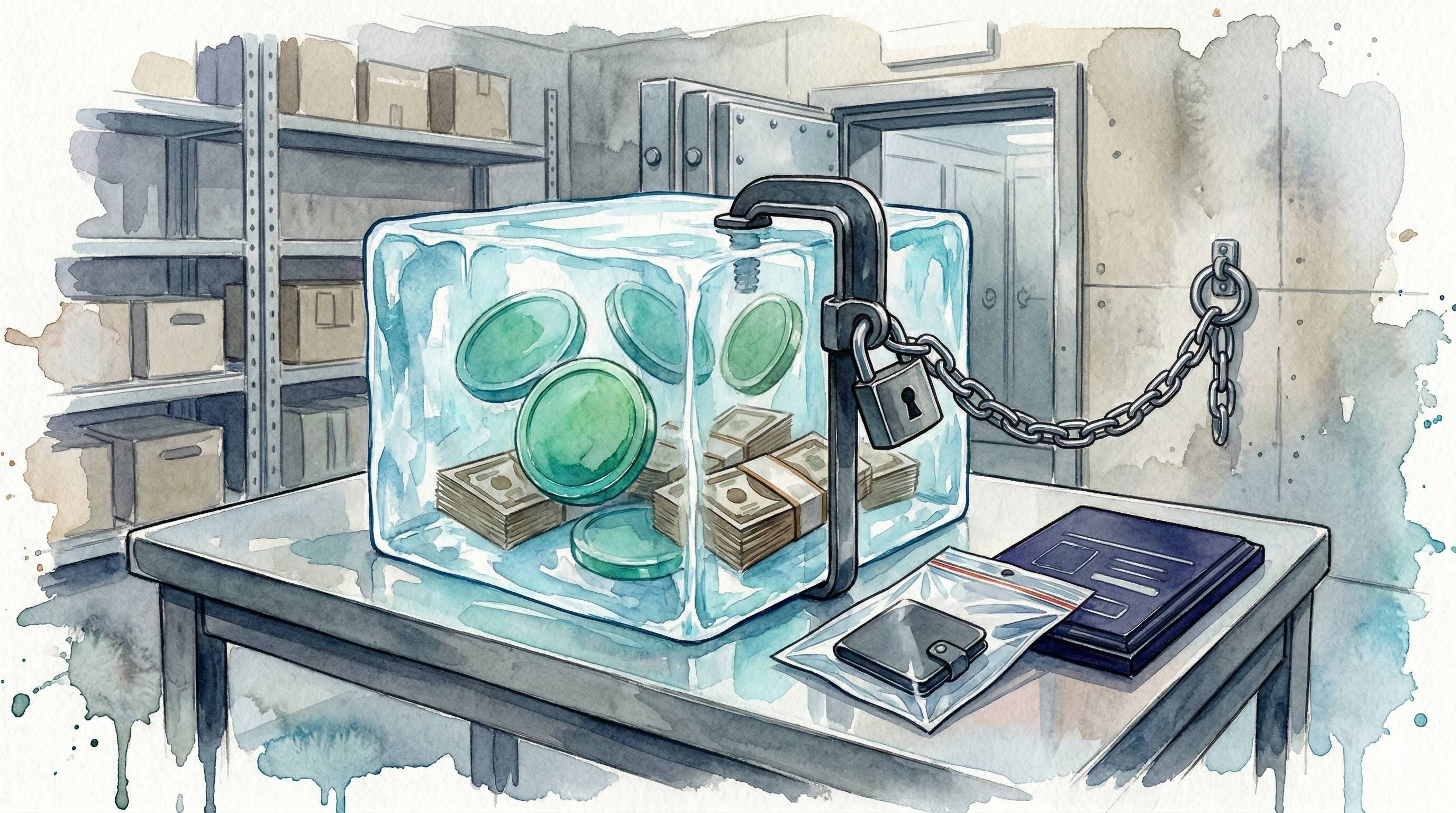
The Bank of England on Monday set out draft rules for sterling stablecoins, proposing temporary holding caps of £20,000 for individuals and £10 million for businesses. Systemic issuers could keep up to 60% of reserves in short-dated UK government securities, with at least 40% held as non-interest-bearing deposits at the central bank.
The plan targets sterling-denominated stablecoins that could become systemically important in the UK, especially those used widely for consumer and business payments. Officials intend to finalize the framework after industry feedback next year and to keep pace with the expected US timeline.
A temporary launch exception appears in the paper: systemic issuers at launch may hold up to 95% of reserves in sterling UK government securities for a limited period. The maximum maturity of eligible assets will be set next year. The holding caps are described as temporary and would be eased and removed as risks recede. Businesses with operational needs, such as supermarkets and crypto trading platforms, could apply for exemptions.
The consultation notes that stablecoins “have the potential to make payments faster, cheaper and more efficient and could be used widely for payments.” It also warns that allowing more reserves in interest-bearing debt “could affect trust and confidence in money by increasing the chances that issuers may not have sufficient liquidity to meet rapid withdrawals.”
Designation will determine how the rules apply. The Bank of England may advise the government to treat an issuer as systemic if it is likely to reach that scale even if it has not yet done so. Non-systemic issuers would fall under a separate framework overseen by the Financial Conduct Authority.
Allowing reserves in short-term gilts could lift demand for bills and other short-dated securities, though the scale and tenors are unclear. The paper notes that the current size and structure of the bill market may not support large activity by systemic issuers. Work is under way on potential access to central bank liquidity arrangements to backstop monetisation of short-dated government debt. Secondary trading in UK Treasury bills and short-term gilts is currently limited, which could constrain sales or repo activity.
Officials describe the approach as softer than a 2023 discussion paper that favored restricting backing assets to central bank deposits only. The design is tighter than in the US while looser than the European Union’s MiCA rules, which require systemic issuers to hold 60% of reserves as deposits at a credit institution and non-systemic issuers 30%. Deputy Governor Sarah Breeden has argued for caution given the UK’s bank-based mortgage market. The Bank aims to run on a similar schedule to the US amid renewed policy interest in Washington following the Genius Act.
As GNcrypto covered previously, Q3 2025 marked a high point for stablecoins, with market value near $290 billion. USDT held about 59% market share, USDC roughly 25%, and USDe around 5%. Ethereum hosted over $171 billion of supply and Tron about $76 billion, with Solana, Arbitrum and BNB Chain near $30 billion combined. Despite net inflows, activity eased: active addresses fell 22.6% to 26 million and monthly transfer volume slipped 11% to $3.17 trillion.
The material on GNcrypto is intended solely for informational use and must not be regarded as financial advice. We make every effort to keep the content accurate and current, but we cannot warrant its precision, completeness, or reliability. GNcrypto does not take responsibility for any mistakes, omissions, or financial losses resulting from reliance on this information. Any actions you take based on this content are done at your own risk. Always conduct independent research and seek guidance from a qualified specialist. For further details, please review our Terms, Privacy Policy and Disclaimers.
Articles by this author