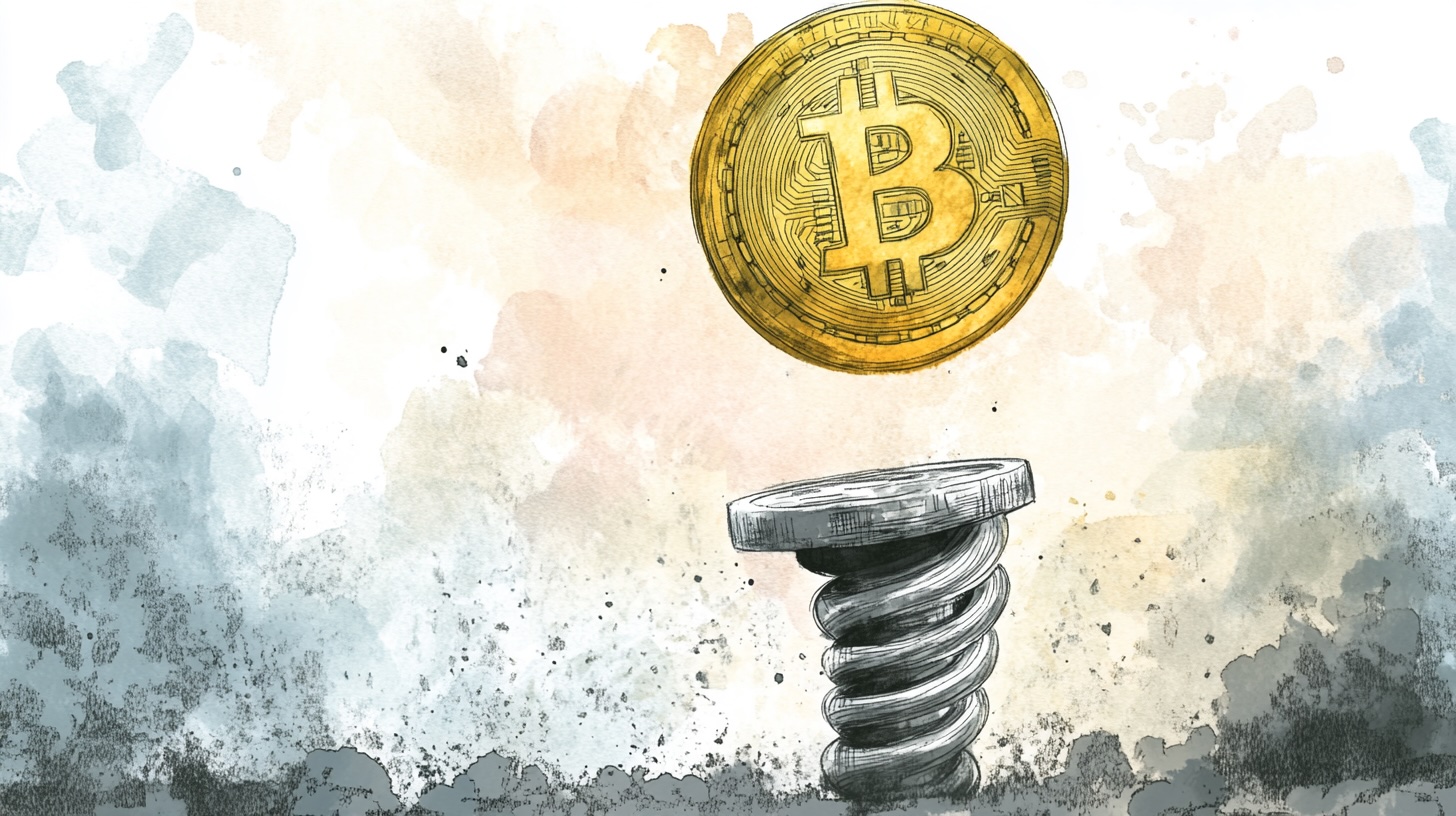
a16z predicts privacy-first blockchains will win institutional adoption

Andreessen Horowitz crypto arm says privacy will be the most important competitive edge for blockchain networks in 2026, arguing that chains offering strong confidentiality will attract sticky users and institutional activity that public-by-default ledgers cannot retain.
a16z’s thesis frames privacy not as an add-on but as the feature that enables payroll, healthcare, identity-linked finance and other on-chain services that require selective disclosure rather than full transparency. In a detailed outlook published this week, the firm calls privacy “the most important moat in crypto this year,” and contends that migrating assets across chains is easy while “migrating privacy” is hard – creating durability for the first networks that get it right.
General partner Ali Yahya extends the point: once users operate inside a private environment, they are less likely to switch to a venue where exposure risks rise, producing a “winner-take-most” dynamic. That stickiness, the firm says, could concentrate activity on a small set of privacy-first chains as more real-world use cases move on-chain through 2026.
The emphasis builds on months of signals from a16z’s newsletters and partner notes highlighting privacy as central to the next wave of crypto infrastructure. In December, the firm’s “Big Ideas 2026” series underscored that the winners will be those who earn public trust by building privacy-preserving, interoperable systems – an orientation it now elevates to the top of its crypto playbook.
The firm also sketches what technical progress looks like. It points to private computation (e.g., zero-knowledge proof systems), selective-disclosure tooling for compliance-friendly workflows, and better developer ergonomics for building privacy by default rather than bolting it on later. The through-line is that confidentiality must be a first-class design constraint at the protocol and application layers to meet enterprise and consumer requirements.
Andreessen Horowitz’s portfolio and ecosystem ties suggest where it expects traction: companies and networks working on zk-based privacy, data-availability and messaging are already in its orbit, from Aztec and Aleo to zkSync and XMTP, indicating an investment pipeline aligned with the thesis.
a16z’s argument ultimately ties market structure to user behavior: transparency makes it trivial to bridge assets, but once workflows depend on protected balances, auditable proofs and minimal data leakage, switching costs rise and network effects harden. As a result, the firm expects capital, talent and application development to cluster around chains that deliver strong privacy guarantees without sacrificing interoperability.
The material on GNcrypto is intended solely for informational use and must not be regarded as financial advice. We make every effort to keep the content accurate and current, but we cannot warrant its precision, completeness, or reliability. GNcrypto does not take responsibility for any mistakes, omissions, or financial losses resulting from reliance on this information. Any actions you take based on this content are done at your own risk. Always conduct independent research and seek guidance from a qualified specialist. For further details, please review our Terms, Privacy Policy and Disclaimers.
Articles by this author