What is financial literacy? Core skills you actually need
This guide breaks down what financial literacy really means, how it affects everyday money decisions, and which skills matter most if you want to stop living from paycheck to paycheck.
On this page
Most people learn to manage money on the fly: you get your first card on a friend’s advice, take a loan “like everyone else,” and start investing after yet another social media video. As long as your income is rising and nothing goes seriously wrong, that can feel like enough. But any shock – job loss, higher rates, illness – immediately exposes the weak spots: no emergency fund, expensive debt, and contracts no one really understood.
Financial literacy helps you get out of this cycle of random decisions. It’s a skill that lets you understand what’s happening with your money today – and what it will mean in one, five, or twenty years.
In this article, we’ll break down what it consists of, which basic actions actually change your financial outcome, and why it’s worth learning at any age, regardless of income level or starting point.
What is financial literacy and why it matters?
Financial literacy is the ability to manage personal money and turn market drawdowns into savings: to earn, spend, save, and invest so that funds are sufficient both now and in the future. If your future child asks, “what is financial literacy?”, you would explain the basics – interest, debt, savings, investments – and the habit of applying that knowledge in real life. It answers practical questions: which loan to choose, how to build an emergency fund, where to save for retirement.
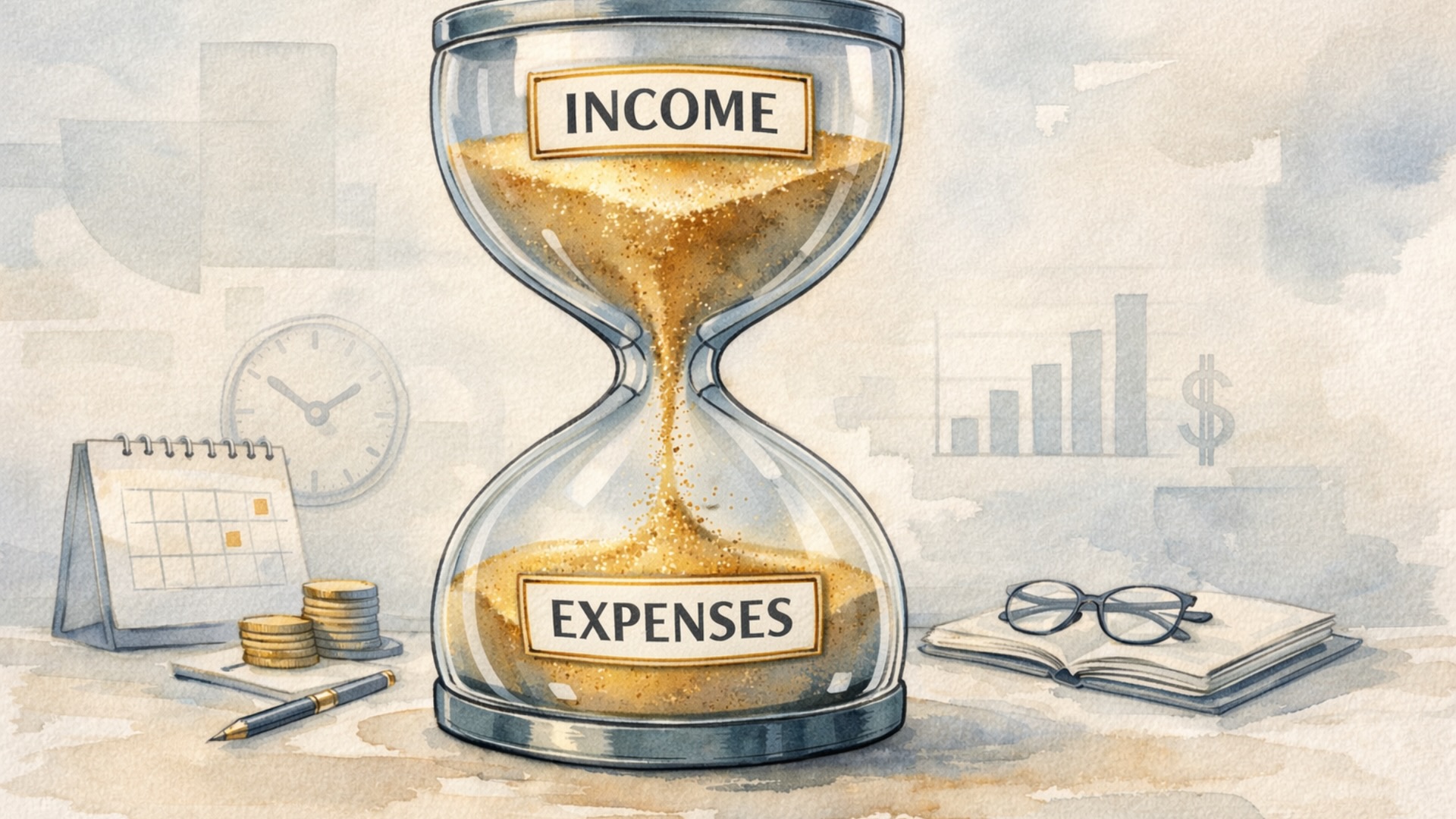
At its core, financial literacy consists of simple skills. A person can track income and expenses, plan a budget at least a month ahead, and maintain a cushion for unexpected events. They understand the difference between a credit card rate and a mortgage rate, the risks of debt, and how compound interest works in a deposit or investment account.
They can also compare financial products by their true cost and recognize offers that look “too good,” where the risk outweighs the promised return.
Every money decision has a delayed effect. A credit mistake today can mean years of overpayment. No reserve fund leaves you exposed to any setback – from a broken appliance to job loss. By contrast, even small but regular contributions to savings or investments can grow into capital that gives you choices: change jobs, study abroad, weather a crisis without panic.
Financial illiteracy compounds as well, only in the negative direction. A person lives paycheck to paycheck, takes microloans, ignores contracts, and pays penalties and fees.
The longer it continues, the harder it becomes to escape. Financial literacy breaks that pattern: it provides an understanding of how the system works and the tools to improve your position step by step, even from a weak starting point. It is a skill you can develop at any age – whether you are earning your first paycheck or already carrying debt. The key is to begin.
Core components of financial literacy
If you break financial literacy into parts, it becomes clear that it is a set of core building blocks. Financial literacy definition always comes down to the same thing: you understand where money comes from, where it goes, what risks you take on, and what you do for the future.
The first pillar is budgeting. A person can plan income and expenses in advance instead of adjusting to whatever is left on the card. They know their fixed payments, see how much they can spend on day-to-day life, and how much they can set aside. This also includes setting financial goals: not “I want to earn more,” but “I need N per month to pay off debt, build an emergency fund, and save for retirement.”
Financial literacy breaks down into several key components:
- Budgeting and tracking. Record income and expenses, see the full picture by category, and avoid running a chronic deficit.
- Savings and reserves. Build an emergency fund, set money aside for major goals, and keep reserves in reliable, liquid instruments.
- Loans and debt. Understand the cost of borrowing, calculate the total overpayment, and do not take on a loan you cannot repay.
- Investments. Understand the basic asset classes, do not chase “quick” returns, and match risk to your time horizon.
- Financial products. Read contract terms, understand fees, insurance, bonuses, and penalties.
Next, these blocks turn into concrete steps: create and test a working budget, build a reserve equal to at least a few months of expenses, pay off the most expensive debts, open a simple investment account, and start investing small amounts on a regular basis.
The stronger these components are, the more resilient the whole system becomes. You do not panic over every dip in income, you do not sign up for toxic loans, and you do not lose money because you misunderstood the terms.
Financial literacy as a lifelong skill
The question what is financial literacy is not something you answer once and forget. The world changes faster than textbooks: new cards and installment plans, investing apps, crypto services, and fraud schemes like a pig butchering scam keep appearing. What worked five years ago may not even exist today.
The money lifecycle changes, too. At 18, the task is one thing: choose a bank, understand how a credit card works, and stay out of debt. At 25, you need to build a reserve and not drown in consumer loans. In your 30s and 40s, the focus shifts to a mortgage, your children’s education, and protection against illness and loss of income. Closer to retirement, the main question is how not to spend down what you saved and lose it to inflation or bad investments.
For financial literacy to work for life, you have to keep it up. The minimum set:
- Regularly review your budget and goals instead of living by an old template.
- Once a year, review your financial products – deposits, insurance, brokerage accounts – and close what you do not need.
- Track key changes in laws and taxes that affect your money.
A critical filter is critical thinking. Any new “opportunity” should go through a few simple questions: where the return comes from, who bears the risk, and what happens if things do not go as planned. If you cannot explain it in a couple of clear sentences, assume it is too complex for your current level.
Financial literacy as a lifelong skill does more than save you money on interest. It reduces anxiety because you have a plan, a buffer, and a clear sense of what to do in an emergency. And the earlier you start treating money as a field you have to keep learning for life, the fewer decisions you will have to fix later.
The material on GNcrypto is intended solely for informational use and must not be regarded as financial advice. We make every effort to keep the content accurate and current, but we cannot warrant its precision, completeness, or reliability. GNcrypto does not take responsibility for any mistakes, omissions, or financial losses resulting from reliance on this information. Any actions you take based on this content are done at your own risk. Always conduct independent research and seek guidance from a qualified specialist. For further details, please review our Terms, Privacy Policy and Disclaimers.
Articles by this author