Pig butchering scam: new tactics to steal your crypto
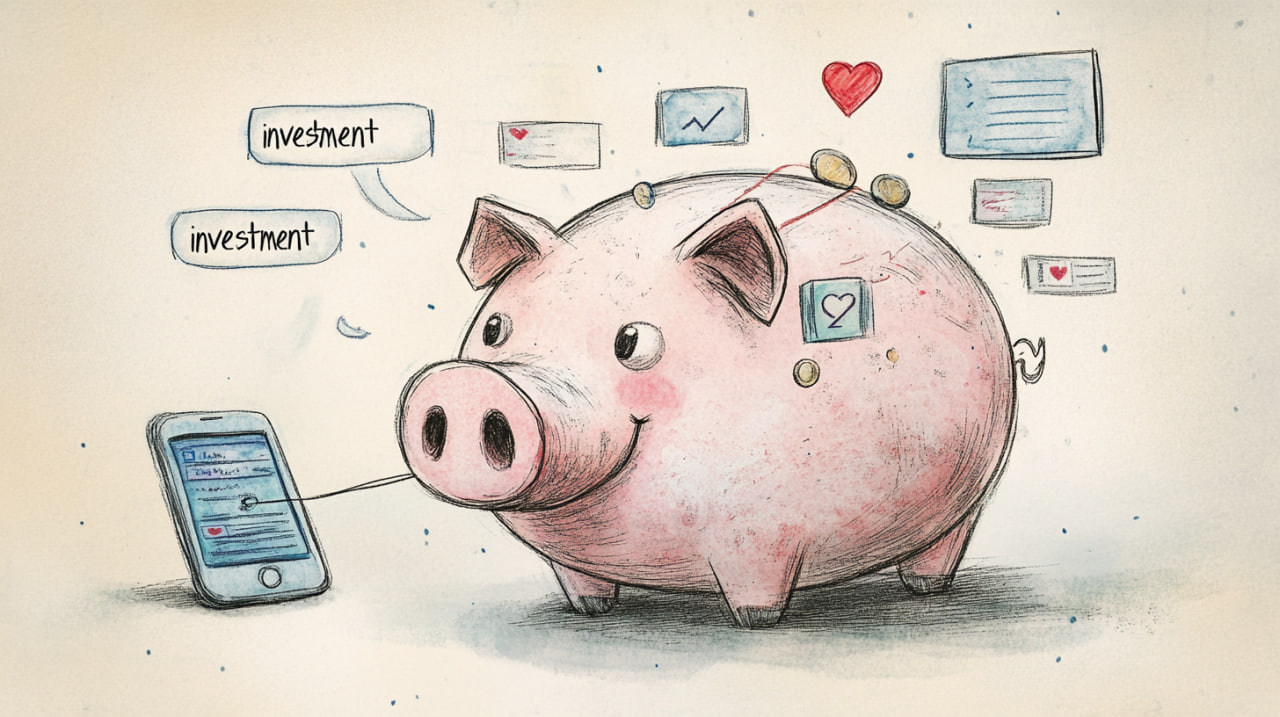
Online investment fraud keeps evolving, but one tactic has exploded in recent years: “pig butchering.” It describes how criminals “fatten up” a target with attention, trust, and fake profits, then “slaughter” the account by draining funds.
On this page
Below you’ll find a concise, practical guide to understand the mechanics, recognize the red flags, and act quickly if you or someone you know has been targeted.
What is a pig butchering scam?
At its core, a pig butchering operation is a long con that blends romance‑style grooming with investment fraud. Scammers approach a target on messaging apps, social media, dating sites, or even via a random “wrong number” text. They build emotional rapport first, then pivot into the pitch: supposedly low‑risk, high‑return trades (usually in crypto, forex, or commodities) executed on a slick but fake platform that shows fabricated gains.
The phrase “what is pig butchering scheme” often appears in online searches by people trying to understand how the scam works. It usually begins with a friendly social introduction that grows into daily conversation, then transitions into “guided” investing through a polished but fraudulent trading platform that displays fabricated profits and encourages ever-larger deposits. Early withdrawals may be allowed to build confidence, yet the illusion is maintained through scripted customer support chats, fake compliance checks, and invented fees that imitate legitimate market activity.
As more money is committed, withdrawals start to fail or are conditioned on paying invented taxes or release charges, while the persona behind the account becomes evasive and less available. This pattern is now widely recognized by journalists and regulators as the pig butchering scam. Eventually, the storefront disappears, and so do the funds.
Why the name? Criminals themselves popularized the metaphor: targets are “fattened” with praise, attention, and fake success before the final cash‑out. The approach relies on time, psychology, and believable artifacts (polished dashboards, fake KYC checks, and scripted support chats) rather than sophisticated trading.
How these crypto romance scams operate
Understanding the playbook makes it easier to spot and stop early. Here’s the typical pattern seen across pig butchering scams. These schemes succeed because offenders invest weeks in building routine conversation, seeding believable screenshots, and steering victims toward polished but controlled platforms that mimic real brokerages. Dashboards load quickly, balances appear to grow, and support agents respond with reassuring scripts, all of which lowers skepticism and normalizes larger deposits. Behind the scenes, the scammer gradually discourages outside advice, introduces time pressure, and channels funds through repeatable paths to ensure a clean exit. By the time resistance rises, the target is emotionally committed and logistically entangled, which makes backtracking harder. The step-by-step breakdown below answers a common question: what is the pig butchering scam in practice:
- First contact. A direct message like “Hi, is this Anna?” or a friendly dating‑app match. The persona looks real: curated photos, a plausible job, an active timeline. The goal is low‑pressure conversation.
- Trust‑building. Weeks of daily chats, voice notes, or video calls. The scammer shares life details, mirrors your interests, and subtly introduces finance topics: “I’ve been learning to trade,” “My uncle mentors me,” etc.
- Hook via social proof. Screenshots of “wins,” referrals to a “mentor,” and a link to a professional‑looking platform. Early deposits “earn” quickly; a small withdrawal may help reinforce credibility.
- Escalation. The script nudges larger deposits (“limited window,” “VIP access,” “use margin for faster compounding”). The UI shows charting tools, KYC prompts, and tax notices to seem legitimate.
- Control and isolation. The scammer pushes urgency, discourages outside advice: “banks don’t understand crypto,” “friends will make you miss out.” They may recommend specific wallets, exchanges, or stablecoins to route funds through tightly controlled channels.
- The squeeze. When victims try to withdraw their funds, they face sudden “technical issues” or new conditions such as “invented release fees, fake withholding taxes, or fabricated account freezes. Payments toward these bogus fees are the final extraction before the scammers shut the platform down.
- The vanish. Sites and apps go offline; support goes dark. The persona rebrands, adopts a new identity, and begins the cycle again.
Warning signs of a pig butchering scam
Scammers tend to leave a predictable trail. It often begins with an unsolicited “wrong‑number” message or a friendly match that quickly becomes unusually intense. Investment talk follows early, framed as low-risk but promising outsized returns, and it’s linked to a slick yet unfamiliar trading platform suggested by the contact. You may be urged to move money into crypto urgently, sometimes through specific coins, wallets, or exchanges they propose. A supposed mentor or VIP group may appear as social proof, and a small withdrawal may even succeed to make the setup seem real.
Once larger deposits arrive, the tone hardens: withdrawals are delayed or blocked unless you first pay invented “fees” or “withholding taxes.” The scammer ducks in‑person meetings or robust, real‑time identity checks; photos and IDs may exist but crumble under closer scrutiny. Viewed together, these behaviors point to a pig butchering scheme, a signal to pause, document everything, and seek outside advice before sending another cent.
Steps to take if you’ve been scammed
Act methodically. First, stop transfers to any address, app, or exchange associated with the contact. If you used a centralized exchange, open a fraud ticket immediately so its compliance team can flag the transactions and, where possible, freeze funds. Next, preserve every piece of evidence: export chat histories and screenshots; record wallet addresses, transaction hashes, domain names, and app details; download CSV statements; and compile a timeline of dates, amounts, and channels.
Report the incident to every platform involved (the dating app or social network, the messenger, and your exchange or wallet provider) so they can blacklist the infrastructure. File official complaints with relevant law enforcement and cybercrime units, attaching your evidence pack. If bank wires or personal data were exposed, call your bank and place fraud alerts with credit bureaus. Consider consulting qualified counsel or investigators who understand on‑chain tracing, but avoid “recovery” services that require upfront fees or promise guaranteed results.
Finally, harden your accounts: change passwords, enable hardware‑key 2FA, and revoke third‑party permissions you no longer trust. Seek emotional support from people you trust; shame and isolation benefit scammers. And remember: any request to pay “taxes” or “release fees” to unlock your balance is a hallmark of pig butchering: legitimate taxes are never collected by trading sites.
If you encounter pop‑ups, emails, or in‑app chats demanding payment before withdrawal, treat it as a hard stop and document everything. Contact your bank or exchange support immediately and include precise timestamps and transaction IDs when you file reports with relevant cybercrime portals. Do not send additional funds even if the operator threatens account closure or legal action. These tactics are designed to exploit urgency and isolation; pause and verify via independent channels to prevent further loss. This pattern is widely cited in regulatory alerts and victim reports as a hallmark of the pig butchering scheme.
The material on GNcrypto is intended solely for informational use and must not be regarded as financial advice. We make every effort to keep the content accurate and current, but we cannot warrant its precision, completeness, or reliability. GNcrypto does not take responsibility for any mistakes, omissions, or financial losses resulting from reliance on this information. Any actions you take based on this content are done at your own risk. Always conduct independent research and seek guidance from a qualified specialist. For further details, please review our Terms, Privacy Policy and Disclaimers.
Articles by this author