#el salvador
32 articles found
Latest
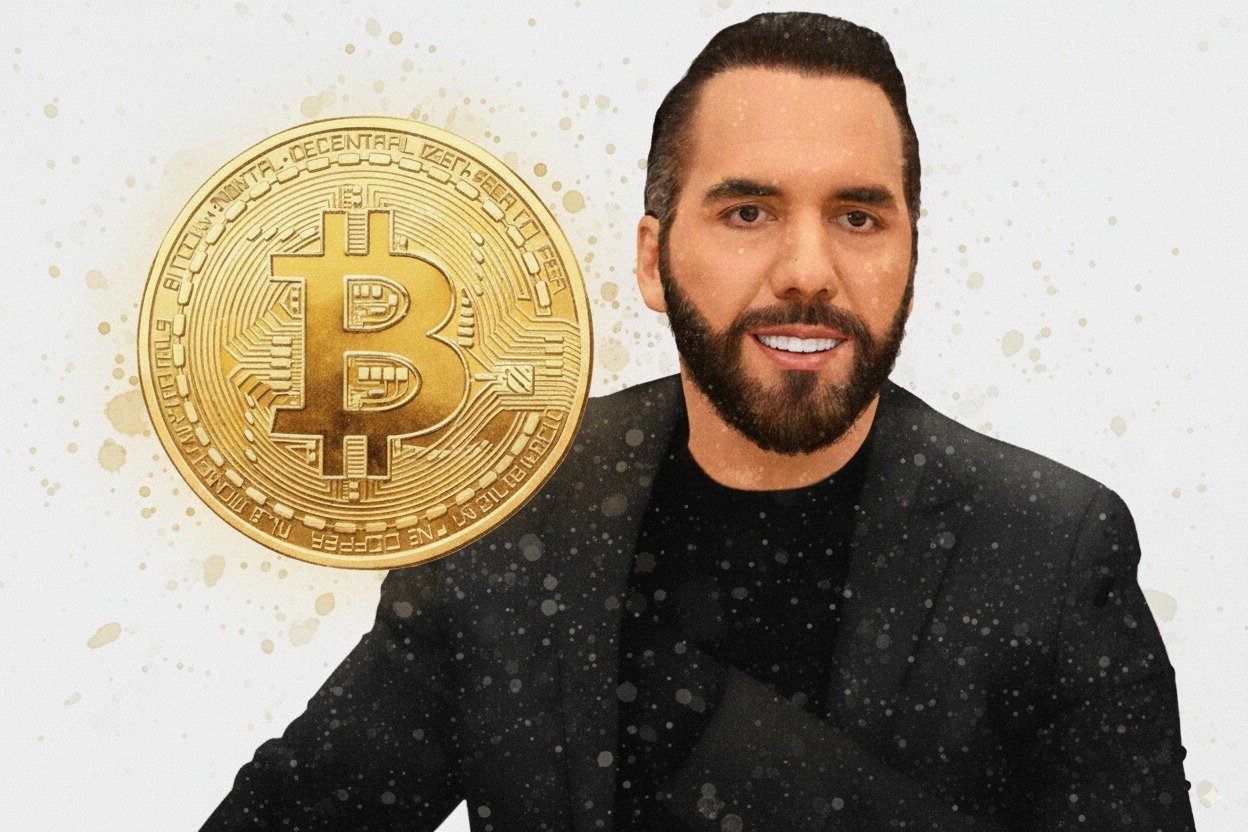
Argentina Investigates El Salvador's Bitcoin Integration Strategy
 Argentina's new government is showing a keen interest in Bitcoin's potential. Newly elected president and crypto enthusiast Javier Milei is progressively making good on his promise to weave digital assets into the fabric of the real economy.


 Contrary to forecasts, the value of Salvadoran bonds rose by 62% after Fitch downgraded the country's credit rating in September 2022. Perhaps the 79% surge in BTC during the same period played a role in this unexpected turn of events.
In 2021, El Salvador declared Bitcoin as legal tender and currently holds 2546 BTC. Despite skepticism from the IMF, the country also allocated $1 billion for the construction of a mining farm with a capacity of 241 MW.
Contrary to forecasts, the value of Salvadoran bonds rose by 62% after Fitch downgraded the country's credit rating in September 2022. Perhaps the 79% surge in BTC during the same period played a role in this unexpected turn of events.
In 2021, El Salvador declared Bitcoin as legal tender and currently holds 2546 BTC. Despite skepticism from the IMF, the country also allocated $1 billion for the construction of a mining farm with a capacity of 241 MW.  Senator Dusty Deevers has introduced the “Bitcoin Freedom Act,” aiming to incorporate BTC into Oklahoma’s economy. This initiative draws comparisons to El Salvador’s decision to adopt Bitcoin as legal tender, signaling a new era for cryptocurrency adoption.
 Will Milei Succeed Bukele as the Bitcoin Maximalist Leader?
 A controversial Financial Times report claims that El Salvador’s President Nayib Bukele might scale back his Bitcoin policies in exchange for an IMF loan. This raises the question: who could be the next leader to champion El Salvador’s Bitcoin experiment?
 Nayib Bukele: The Pro-Bitcoin President of El Salvador
 No president in the world integrated Bitcoin into their policy as El Salvador's Nayib Bukele did. In June 2021, he became the first, and so far the only, country leader to make Bitcoin a legal tender. Bukele’s decision was not a coincidence but a reflection of his broader approach to governance.
  CiberInteligenciaSV, the hacking group behind the security breach of El Salvador's state-run Bitcoin wallet Chivo, has started leaking portions of the app's source code. They had already disclosed the personal information of almost all adult users in El Salvador (5.1 million people) who downloaded the wallet.
  In El Salvador, only 12% of the population reportedly used Bitcoin for payments of goods and services in the past year, marking a 12.4% decline from the 2022 statistics. This information comes from a study conducted by the Central American University José Simeón Cañas, based on face-to-face interviews with 1,280 people.
 This collaboration seeks to digitize various sectors, including government services, healthcare, and education. The Google Distributed Cloud (GDC) services will enhance local infrastructure and data processing capabilities, aligning with El Salvador’s vision to become an innovation hub. President Nayib Bukele emphasized the importance of technology and foreign investment for the nation’s development: “Google’s global experience combined with the audacity of El Salvador will redefine the technological landscape.”
 Which Swiss City Aims to Become the Crypto Capital?
 Joining El Salvador's crypto revolution, cities worldwide are adopting cryptocurrencies as payment alternatives. One Swiss city has been working hard to position itself as a crypto hub and has managed to achieve a multitude of milestones within just two years.