Global watchdogs: Tokenized stocks aren't real stocks
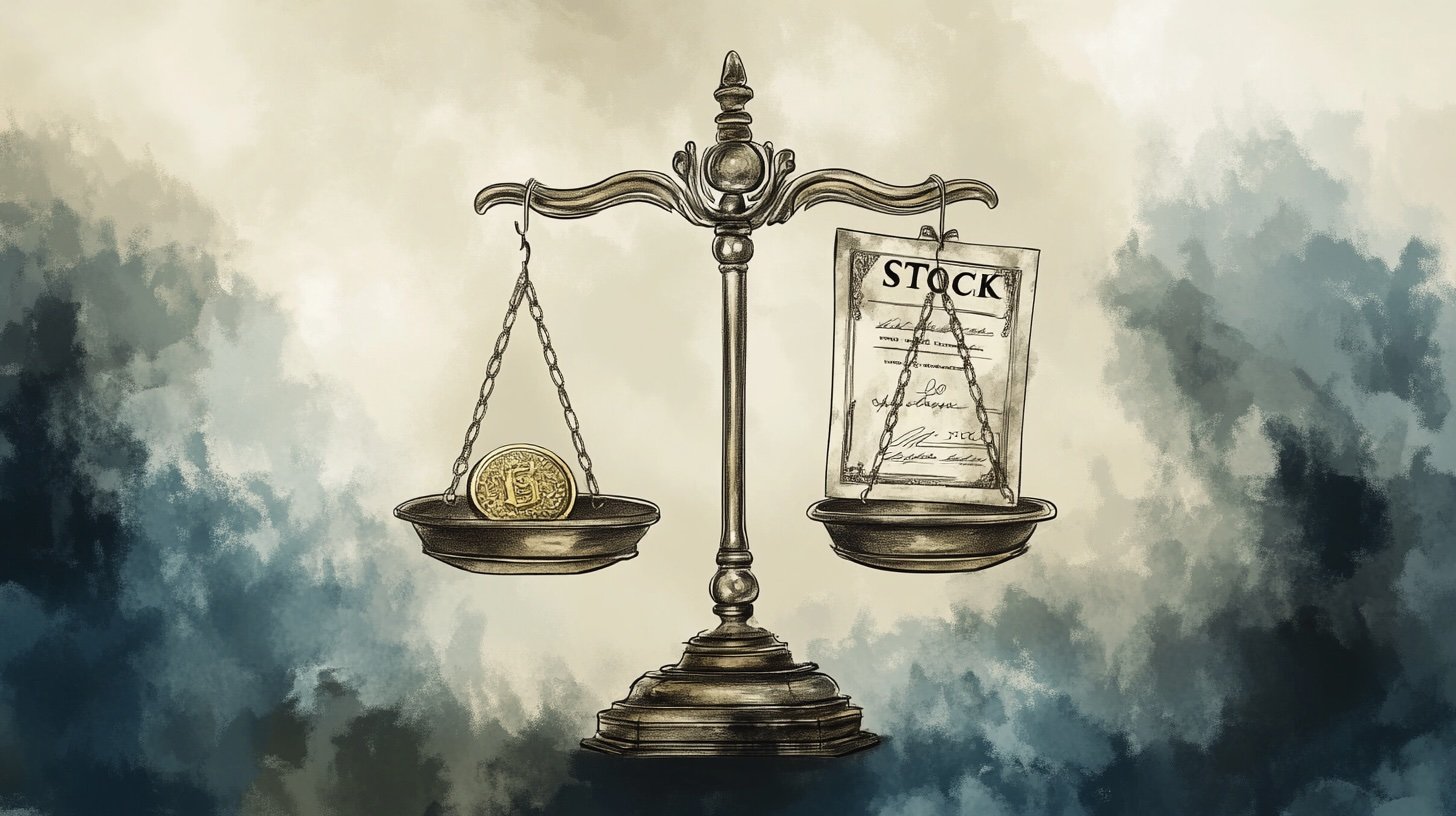
Leading global regulators have called on the SEC to tighten oversight of tokenized stocks. This event could be seen as the beginning of a fundamentally new stage in the regulation of the digital asset market.
Global regulators unite against tokenized stocks
A joint letter to the US Securities and Exchange Commission (SEC) calling for increased oversight of the tokenized stock market was signed by organizations such as ESMA (European Securities and Markets Authority), IOSCO (International Organization of Securities Commissions), and WFE (World Federation of Exchanges). This move by regulators was in response to concerns about the growing popularity of these assets and the potential risks to investors and the stability of the financial system.
In the letter addressed to SEC Chairman Paul Atkins, regulators expressed concern that some providers of tokenized stocks may not be complying with existing securities laws, including requirements for registration, disclosure, and investor protection. They also noted the risks associated with insufficient transparency, opportunities for market manipulation, and cross-border transactions, which complicate oversight.
ESMA, IOSCO, and WFE emphasized that a lack of adequate regulation could undermine trust in financial markets and lead to significant losses for investors. The statement claims that these tokens “mimic equities without providing the same rights and trading protections, which could harm market integrity.”
The regulators strongly urged the SEC to cooperate with other global regulators to develop a coordinated approach to supervising RWAs in general, and tokenized stocks in particular.
This appeal shows that tokenized stocks have become a serious topic for international discussion. Regulators acknowledge that while tokenization can bring certain benefits, such as increased liquidity and accessibility, it also creates new challenges that require immediate attention.
Tokenized stocks: What are they and why have they become popular?
Tokenized stocks are digital tokens issued on a blockchain that represent a fractional ownership stake in traditional equities. In simple terms, they are a bridge between the traditional stock market and the decentralized finance (DeFi) system.
The popularity of tokenized stocks has grown in recent years for several reasons. First, they offer increased liquidity and accessibility for investors. The traditional stock market has limited operating hours, whereas trading in tokenized stocks is continuous. This allows investors anywhere in the world and at any time of day to buy and sell stocks, which is especially appealing for those in different time zones.
Second, they democratize access to investments. Through tokenization, investors can acquire a fractional share in the stocks of major companies like Apple or Tesla, which was previously impossible for many due to high stock prices. For example, instead of buying one Tesla share for $350, an investor can purchase a portion of the token representing that share for a much smaller amount. This opens the doors to the stock market for a wider range of investors, especially those with limited funds.
Third, lower transaction costs are another important factor. Blockchain technology can reduce the number of intermediaries involved in transactions, which leads to lower fees and faster settlements. Traditional exchanges and brokers charge significant fees, while smart contracts on the blockchain can automate many processes, making trading more efficient and less costly.
Furthermore, the transparency and security provided by the blockchain also play a role. Every transaction is recorded in an immutable public ledger, which eliminates the possibility of data manipulation and ensures full transparency for all participants. These factors combined make tokenized stocks an attractive alternative to traditional investments.
Behind the scenes: Investor protection or lobbying interests?
When regulators unanimously oppose a new financial instrument, the question arises: are their actions truly dictated solely by a concern for investor protection? Undoubtedly, concerns about the risks associated with tokenized stocks (lack of clear rules and the risk of fraud) are well-founded. However, a more complex game might be unfolding behind the scenes.
It is impossible to rule out that the traditional financial sector and large, old-school companies see a direct threat to their dominance in tokenized stocks. Decentralized finance, based on the blockchain, calls into question the role of traditional intermediaries such as banks, brokers, and exchanges. Tokenization can make financial operations cheaper and faster, preventing marginal costs from being passed on to customers, and makes their business model less competitive.
Therefore, it is quite possible that the call for increased regulation is driven by the lobbying interests of these players. Moreover, the talk about protecting investors could be used as a handy excuse to slow down or even stop the growth of tokenized assets, which are messing with their monopoly. Tighter oversight and the creation of new, strict rules could become an obstacle to innovation, allowing traditional financial institutions to maintain their positions and avoid the need to adapt to new trends.
Ultimately, the battle for control over the securities market may not just be about investor protection, but about preserving an old, time-tested, but no longer efficient system. This conflict and IOSCO’s desire for a balance between innovation and regulation are well reflected in one of the goals outlined in its 2025 work program:
IOSCO will continue to closely monitor the development of asset tokenization in securities markets, recognizing its potential for growth, as well as the implications for investor protection and market integrity.
Thus, the future of tokenized stocks depends on how regulators can find a compromise between the need for control and the support of innovation to ensure the security and development of the financial market.


Recommended