WhiteBIT's Alex Kozenko on TOKEN2049 insights: Atlas shrugged
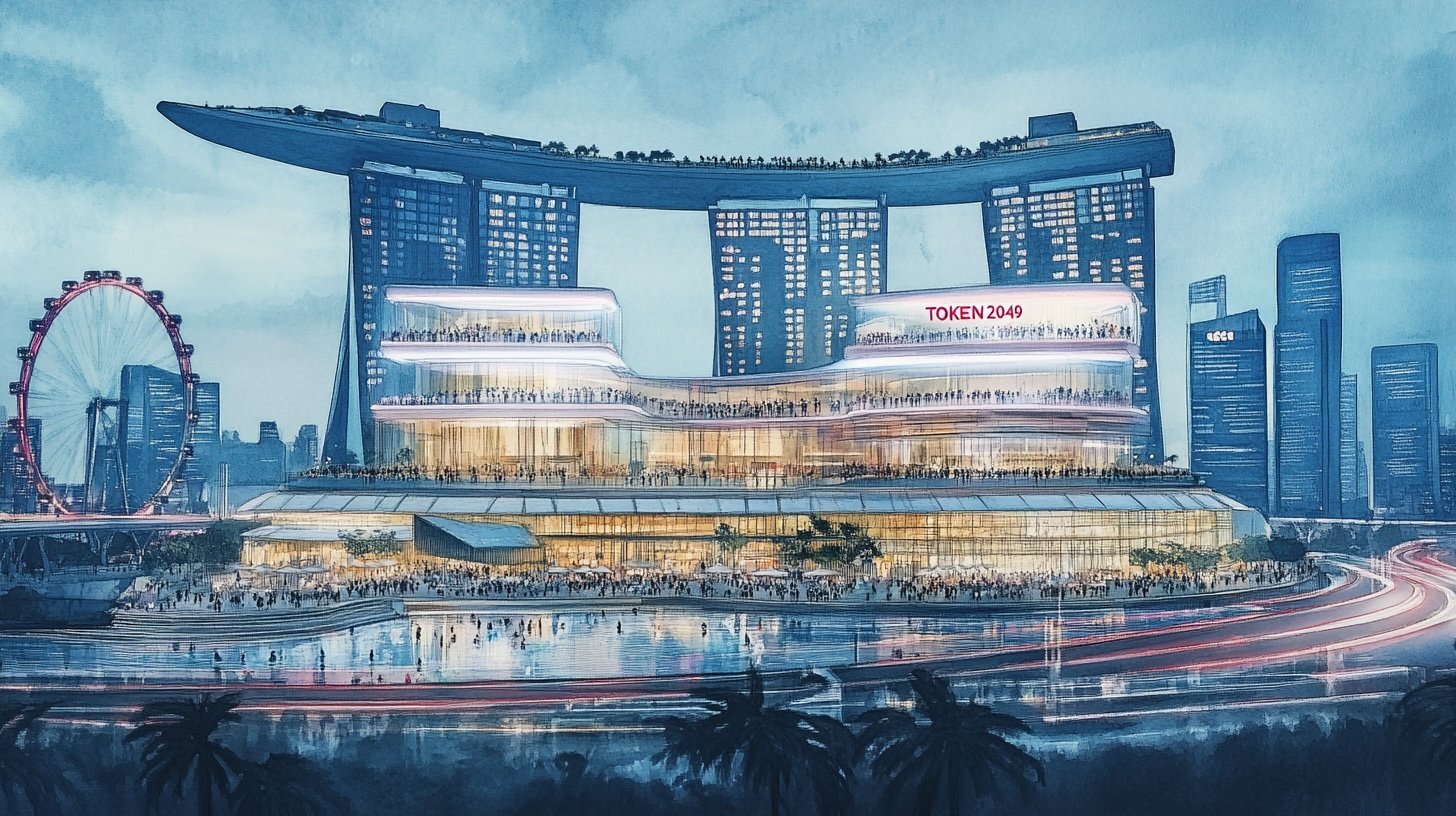
Held in Singapore on October 1–2, TOKEN2049 drew wide attention as one of the year’s major crypto events. On the sidelines, we sat down with Alex Kozenko, Chief Marketing Officer at WhiteBIT, to discuss current trends, fading narratives, market fragmentation, and what retail investors should keep an eye on going into 2026.
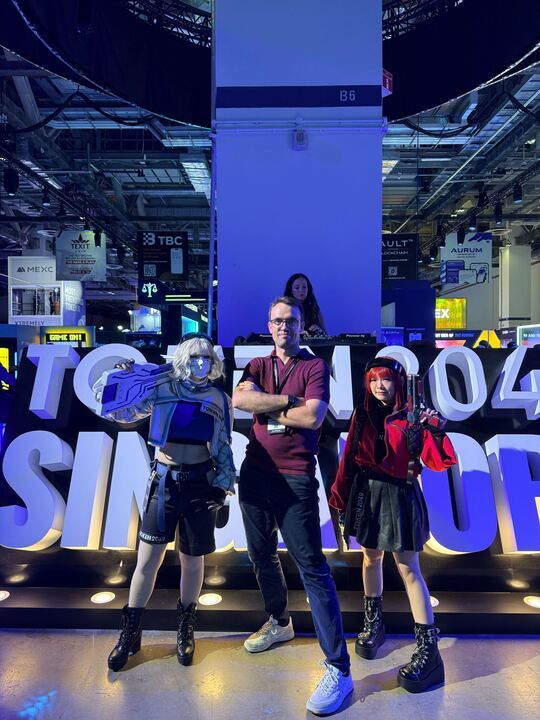
TOKEN2049 Singapore took over Marina Bay Sands for two days, spreading across five floors of conference halls, exhibition spaces, meeting rooms, and networking areas. Outside, the city prepared for the Formula 1 night race, while inside, founders, investors, policymakers, and infrastructure providers filled the venue.
-Pr0NKNR9.jpg)
-5tFgZzEr.jpg)
-mQtrJYwE.jpg)
The event drew thousands, with attendees moving between stages, side events, and deal discussions spilling into hallways. Against this backdrop, we spoke with Alex Kozenko, Chief Marketing Officer of WhiteBIT, Europe's largest crypto exchange by traffic.
On the TOKEN2049 crowd
GNcrypto: Who actually showed up this year? Is there a typical profile for crypto market participants in the second half of 2025?
Alex Kozenko: I consistently see three categories of people at these events. The first is the "merch hunters" (you can spot them by their large bags of souvenirs). The second is the "partygoers" (and there were plenty of places to party here – hundreds of side events were held all over Singapore, ranging from ones no one attended to events with 3,000-5,000 people in the room). And the third category is those building projects or leading initiatives. Singapore is one of the few places where crypto, finance, and even Formula 1 overlap. This undoubtedly creates an atmosphere unlike any other event I’ve attended.
On the event
GNcrypto: The event sprawled across five floors at Marina Bay Sands. How did that format work for you? Is this the biggest crypto event you've experienced in person?
Alex Kozenko: On one side, organizers have reached the limit of how much entertainment they can add. On the other, this was still one of the largest conferences I’ve ever attended.
All five floors were roughly divided by type: the first had booths and a stage, the second had corridor meeting rooms where you could run into reps from major companies like Circle or fund managers. The third had booths again. The fourth had the big main stage and more booths. TON Space took the fifth floor.
On defining themes
GNcrypto: If we built a tag cloud for TOKEN2049 Singapore, what words would dominate?
Alex Kozenko: Let's make a top 3 of the most popular words, and separately a top 3 of things nobody talked about. That second list could be an important signal.
First top 3 – Bitcoin, Michael Saylor, DEX (by the way, I'd like to talk separately about DEX later).
Second top 3 (with a minus sign) – fan tokens, memecoins, and "tappers" (like Hamster and similar projects that literally nobody mentioned anywhere this time). These areas suddenly became obvious laggards.
On trends
GNcrypto: Which market segments were most visible at the event?
Alex Kozenko: This time there were tons of partners for various providers, white-label solution suppliers – crypto cards, security, "launch your own crypto exchange" solutions, and so on. I think an entire floor was occupied by different B2B agencies, many of which we already work with and will continue working with.
My insight – Web3 projects haven't figured out yet that the Crypto businesses are ready to enter the traditional finance space. Many are still stuck in the cypherpunk crowd. Their instant reaction to any decision is "let's do an airdrop or tournament." Yes, 3-5 years ago that was considered cutting-edge, but now it might not work anymore.
A lot of projects and exchanges "slept through" the moment when crypto and blockchain stopped being a narrow topic and became big institutional business, regular retail. Even our parents and grandparents now know how to open an exchange account and that KYC isn’t as scary as it once seemed. The early adoption phase is over, and traditional marketing tools will increasingly come into play.
The thing is, traditional marketing "doesn't work" for old school crypto guys. Yes, their ideas make sense to advanced crypto people. But for non-educated users, all these airdrops, charts, these multi-account schemes with 18 SIM cards, or "tappers" – that's not their world. My opinion is these two audiences can't be merged, and you need completely different marketing approaches for each. And these mainstream newcomers, for whom terms like "cold wallet" and "shilling" are scary, are exactly who we can and should be working with now.
On institutional adoption
GNcrypto: How visible was institutional participation at this event?
Alex Kozenko: This continues what we just mentioned. There were a lot of them, and that proves the Crypto is slowly moving out of its comfortable bubble.
These funds and businesses are clearly influenced by the likes of Michael Saylor and giants like BlackRock. In Singapore they publicly discussed their plans to buy tens of thousands more bitcoins by the end of this year or next.
This shows that Bitcoin and Tier-1 cryptocurrencies are being steadily moved out of the high-risk category, but they still remain in the high-reward category. That's a phenomenon that will strongly influence the market, in my view. Plus, it'll be reinforced by regulatory winds. And for many exchanges, regulation will be a tough topic.
On market defragmentation
GNcrypto: Is this because of the market split between CEX and DEX that you mentioned earlier?
Alex Kozenko: Exactly. There are many questions about how regulators will handle DEXs. It's clear they'll eventually clamp down on DEXs, but what will that look like? A separate planet? A kingdom with no taxes? "Atlas Shrugged"? How will it work?
Understanding this, many market participants will fit themselves into the regulated sector. At the same time, remember that the DEX narrative made our top 3 tags. People talked about it a lot, and there's massive demand for it right now. If six months ago various token launchpads like Pump Fun were making waves, now DEXs have taken their place. You can add prediction markets like Polymarket to this category (which, by the way, was the second-largest sponsor of the Singapore event, after BloFin).
So today's crypto market has split into two major camps: the DEX wing (including BloFin, Polymarket, Binance's ASTER, and others) and the CEX wing (Coinbase, Circle, TON, and others). These are the main market segments today, and the boundary between them is only getting stronger.
On Asia
GNcrypto: You've been to Singapore, and before that you participated in the Hong Kong conference in February. How's crypto Asia?
Alex Kozenko: Asia has become the main hub for crypto today. The volume of money, projects, and attention here is just incredibly high. Singapore confirmed this once again. Asian people and projects dominated. So yes, all roads lead here now.
Plus it's just more comfortable being here than, say, in Dubai on May 1st, and the infrastructure is genuinely very modern.
On Formula 1 and crypto
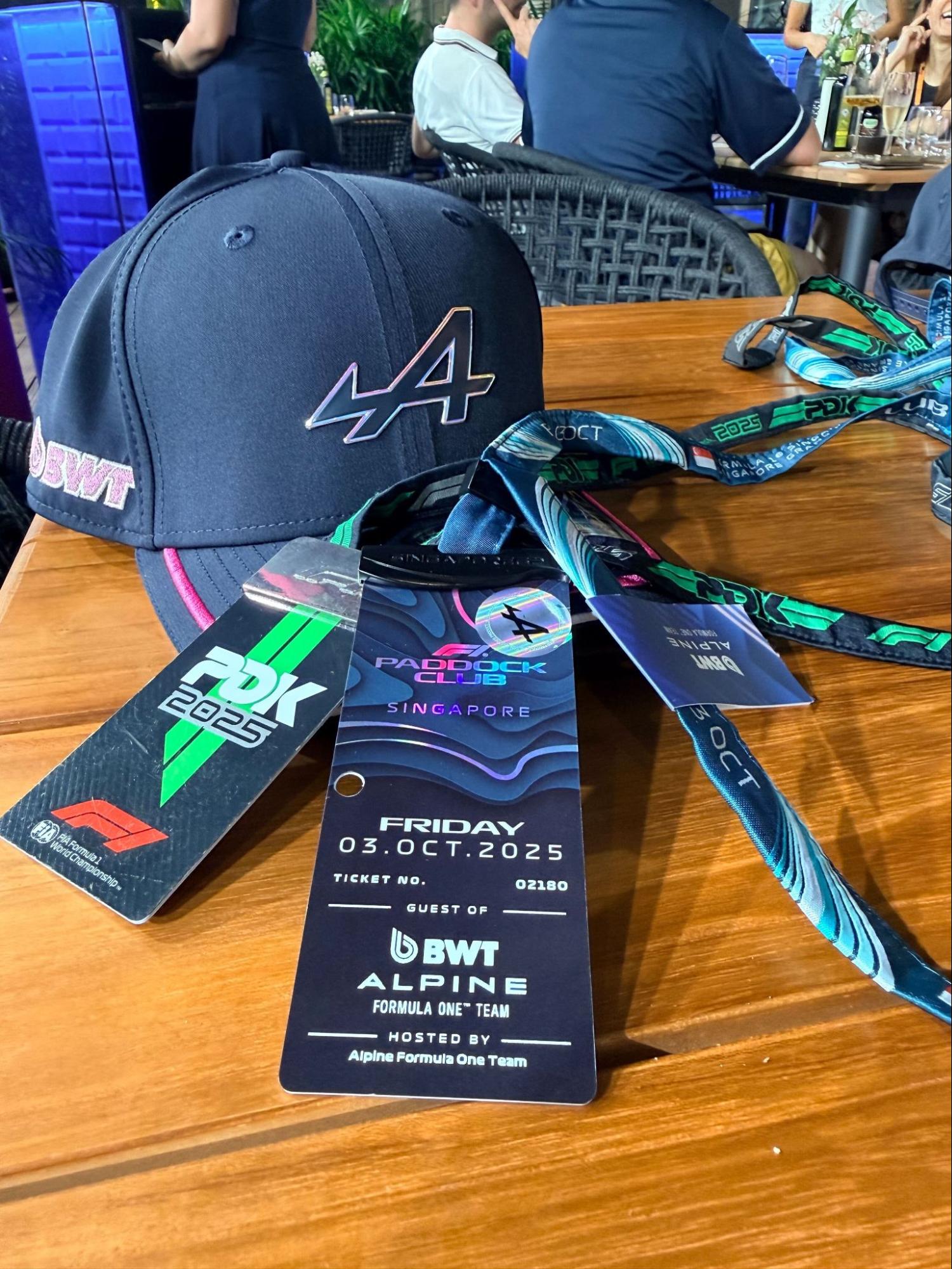
GNcrypto: Tell me about your Formula 1 experience during TOKEN2049. I know you visited the paddocks and had contact with teams. What were your impressions? Is this purely sponsorship positioning, or is there genuine interest from Formula 1 in crypto?
Alex Kozenko: The Formula 1 teams showed maximum interest in networking and collaboration. We had invitational passes that gave us access directly into the team garages, and we saw immense attention from beneficiary businesses towards the Web3 segment.
And let's also mention football teams and sports agencies separately – they're all offering their sponsorship assets to crypto projects now.
On bull markets
GNcrypto: While we're talking, Bitcoin just crossed $123,000. Is it a coincidence this happens during TOKEN2049? Can events like this act as a catalyst?
Alex Kozenko: Our Gleb Udovichenko from Whitepay just mentioned this today, and I'll repeat it: this isn't trading advice, but when you see a major event like TOKEN2049 or Consensus, the week before and week after is usually a bull run. Too much attention flows here.
So watch this pattern. It's not technical analysis, it's just the result of a massive attention injection – LinkedIn comments and X posts. There were tens of thousands of people here, and even more followed online. That kind of attention inevitably moves the market.
The only exception I can think of was Consensus in Hong Kong, when on the last day of the event a huge hack happened and the market dropped hard. But otherwise, catching a long position is much easier if you check the events calendar.
Overall, I think we're gradually moving away from classic cycle concepts – Bitcoin season, altcoin season, bear market, 4-year halving periods, and so on. All these concepts are slowly fading. And things won't be as obvious. The crypto market will probably start looking more like equity or commodity markets, with corresponding correlations.
Related: how does one of Europe's largest crypto exchanges make the difficult decision to completely sever ties with the Russian market? In an exclusive interview, WhiteBIT CEO Volodymyr Nosov gives a detailed account of the company's principled stance. Read the full story to understand the business and ethical reasons behind this major move.


Recommended