US to pause port fees on China-linked vessels for one year
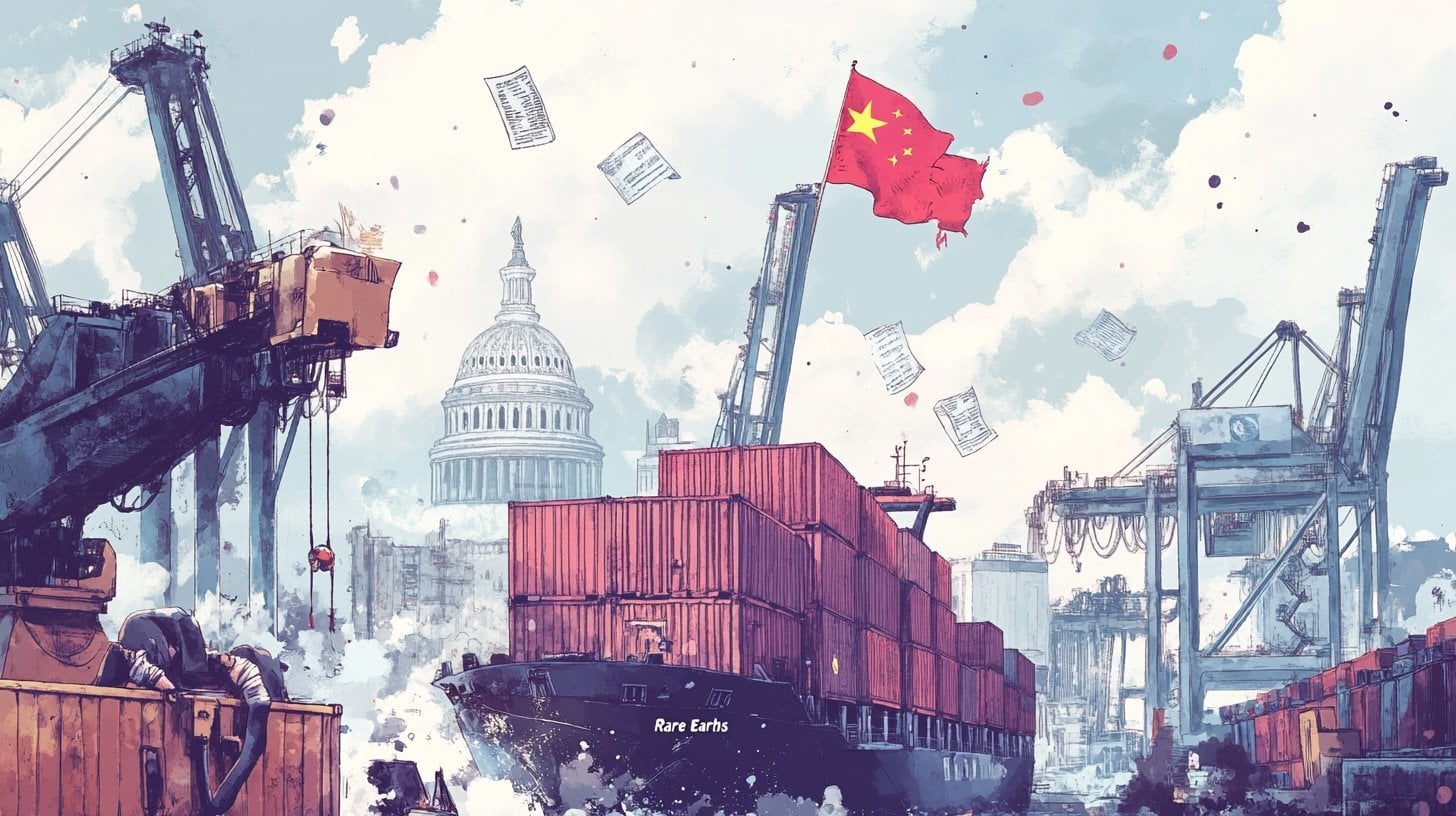
The United States is preparing to temporarily suspend new port fees on vessels that are built, owned, or operated by companies from China.
The decision by US officials is expected to take effect on Nov. 10 and remain in place for one year. The move effectively puts on hold one of the more contentious elements in the countries’ trade relationship, which had already pushed up ocean-shipping costs and complicated planning for global logistics.
Beijing, according to signals from its side, is prepared to refrain symmetrically from introducing countervailing charges, reducing immediate risks for the world economy.
For shipowners and cargo owners, the pause offers breathing space. The fees threatened multi‑billion‑dollar costs, especially for container lines and energy carriers, and had already prompted some operators to alter routes and schedules to avoid rules linked to vessel origin and ownership. A temporary suspension gives freight rates a chance to stabilize, restores predictability for procurement, and, at least for the coming months, removes the “penalty premium” associated with Chinese ownership footprints in fleets. At the same time, the instrument remains reversible: a one‑year horizon implies a review, meaning market participants must still price in the risk of fees returning if tensions flare.
How the situation evolves will depend on the way both sides formalize the details: which legal acts will anchor the suspension, what criteria will apply to voyages and vessel types, and whether a swift dispute‑resolution mechanism will be introduced.
The context of recent weeks suggests the port‑fee decision is not an isolated gesture but part of a broader sequence of de‑escalation moves. Beijing announced the closure of investigations into several US semiconductor companies, reducing legal uncertainty around their operations in the Chinese market. In critical materials, China has effectively slowed the rollout of new restrictions on exports of rare earths and related components, expanding the scope for supplies to sectors reliant on neodymium magnets, graphite and antimony. These signals have diminished the risk of disruptions for the automotive industry, clean‑energy supply chains and defense in the US and allied economies.
In parallel, efforts continue to find a mutually acceptable structure for ownership of the US business of TikTok. Options involving predominantly US investors, strict segregation of code and data, and regulatory oversight have been under discussion for months; the willingness to keep the negotiation track alive in itself lowers regulatory turbulence around the platform and preserves room for compromise.
Taken together, these steps amount to a kind of “technical truce”: official disagreements remain substantial, but in operational areas sensitive to business, both sides are easing unnecessary pressure.
For companies, the key task is to use this one‑year window of predictability: to renew transport contracts, synchronize delivery schedules and rework budgets for the 2026 financial year. At the same time, strategic competition between the US and China has not gone away, which means the current relaxation looks more like a managed pause in a trade confrontation than a change of course.