Universal and Warner plan to monetize AI training
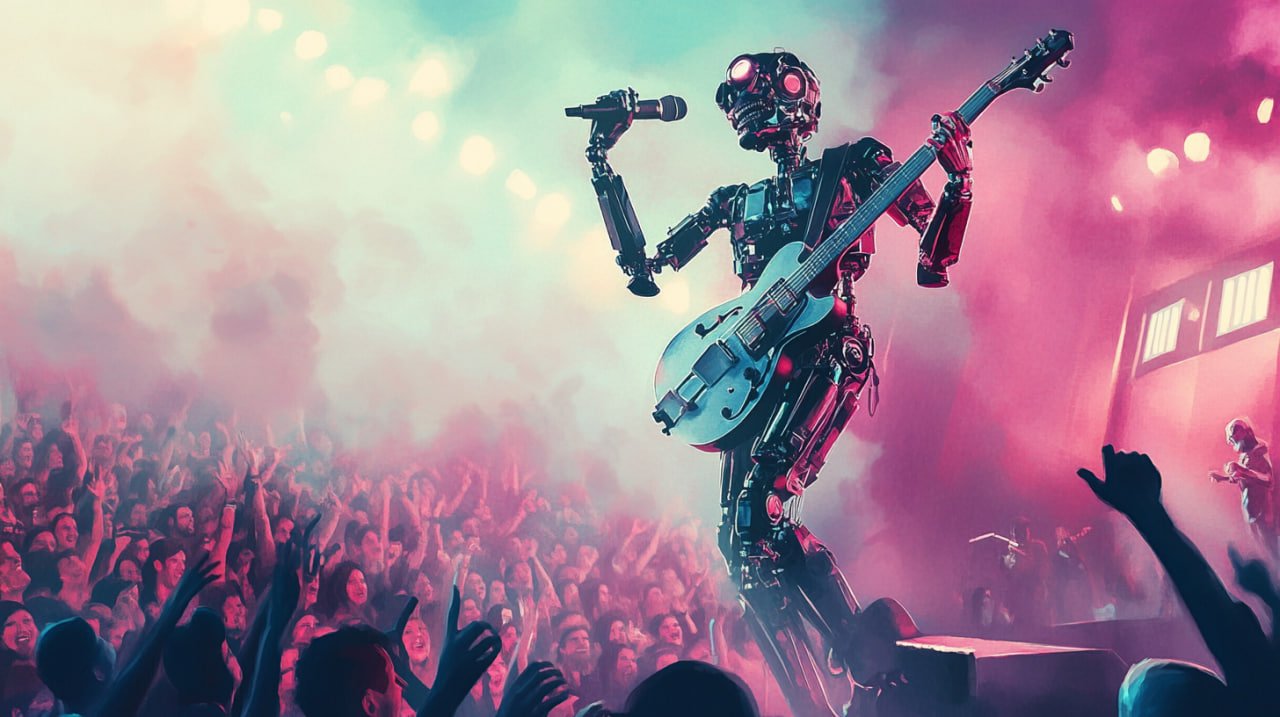
The Financial Times reports that Universal Music and Warner Music are moving toward their first major licensing deals with generative AI companies. The labels want to stop fighting blind against AI systems and start getting paid when models train on or generate music connected to their catalogs. Nothing personal – just business.
Universal and Warner are in talks with big tech platforms like Google and Spotify, and specialized AI startups: ElevenLabs (voice synthesis), Stability AI (generative models), Suno and Udio (music AI), Klay Vision, and others.
The core idea is straightforward: if models learn from major‑label catalogs and can generate music in the style of their artists, the labels want to be compensated. The exact payment base isn’t finalized. It could involve recurring training‑dataset fees and/or a per‑output charge when AI systems generate a composition derived from or styled after copyrighted works.
From the monetization side, the structure under discussion resembles streaming: every play or AI generation could trigger a micro‑payment to rights holders. Contracts may also include explicit permissions (and limits) for using catalogs to train large generative models, addressing the central legal question: who’s allowed to feed copyrighted music into AI, and on what terms.
Why now? Lawsuits are piling up. Artists, songwriters, and their reps say AI firms are ingesting protected material without consent or compensation. Licensing is the clean way to turn chaos into a market: set rules, share risk, and ensure musicians aren’t left out of the economics.
A year ago, Sony Music Entertainment warned AI app developers not to use its music, lyrics, or other content for model training or for alternative commercial products without permission.
No official comments have been provided so far by Universal, Warner, Google, or Spotify, and the Financial Times’ deal details remain unconfirmed. Still, the industry seems ready for compromise. If these agreements are finalized, expect a telling experiment: generative AI would get legal songbooks, while labels get a new revenue stream.
What remains open is how to measure an artist’s contribution versus a model’s, and where to draw the line between inspiration and copying.
Related article: How AI writes music