Tokenization becomes part of Trump's Gaza restoration plan
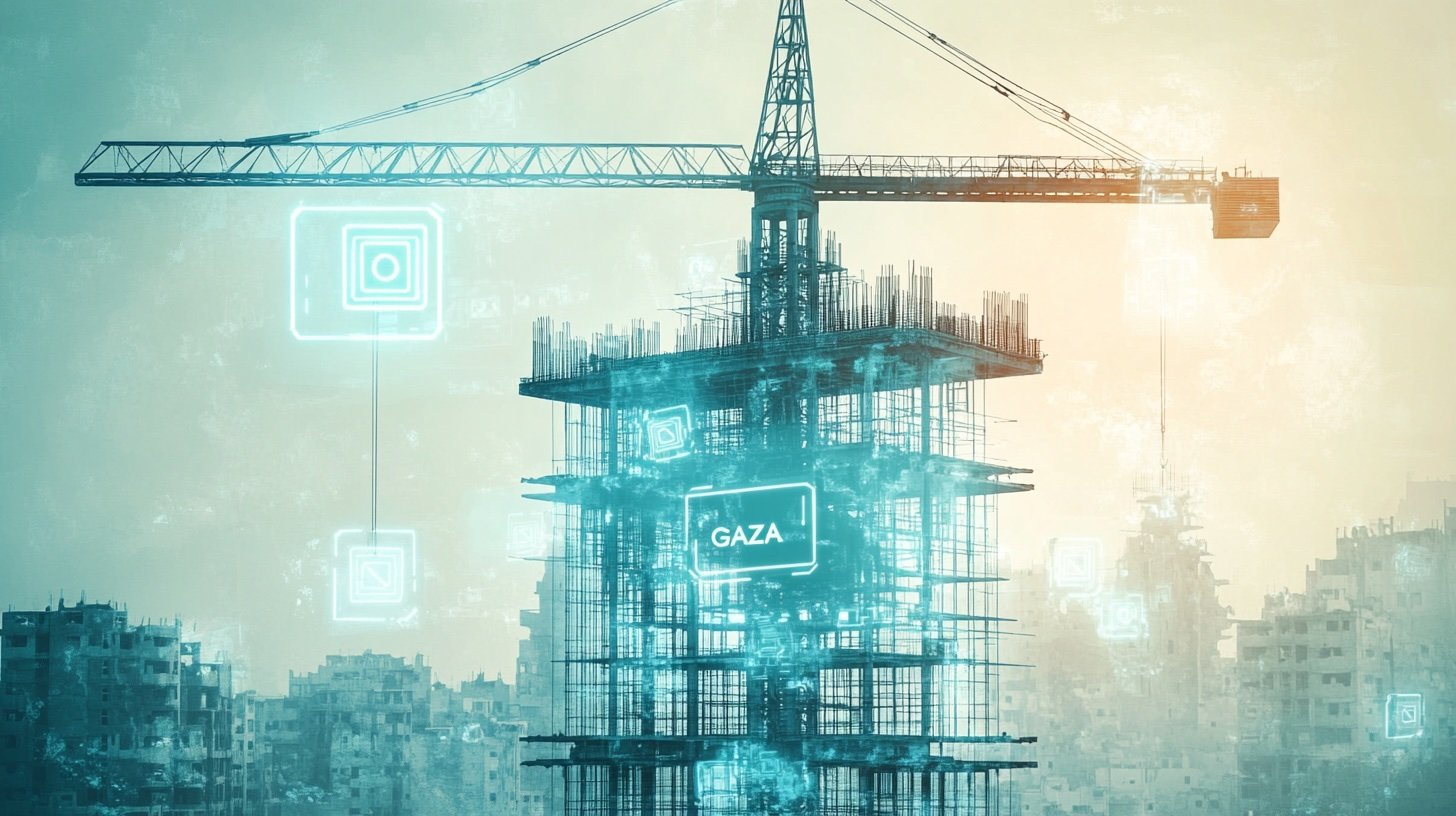
Crypto-President Trump plans to revive Gaza without using traditional reconstruction funding. Land tokenization and a blockchain registry could form the basis of his ambitious project.
The proposals for a peaceful settlement of the conflict in the Gaza Strip, put forward by Donald Trump, have always been characterized by boldness and an unconventional approach. His initial plan to relocate Palestinians to Egypt has already caused much controversy regarding the geography of the possible resettlement.
Now new information has emerged regarding the economic mechanism of its implementation. This is about tokenization, a technology that allows for the digitalization of real assets. The plan, called the GREAT Trust, was drafted by the U.S.-backed Gaza Humanitarian Foundation, which works with Israel and private contractors outside the U.N. system.
According to the plan, Gaza's land will be divided into tokens, allowing investors to purchase fractional ownership and finance restoration and humanitarian efforts. The blockchain will provide an immutable record of ownership, reducing the risk of fraud.
The resulting profit is to be directed to a dedicated Palestinian Welfare Fund.
The document also proposes payments to resettlers leaving the territory, which, in theory, makes the project more humane and appealing to Palestinians. Landowners will be issued special coupons that can be exchanged for money or housing.
For those who leave Gaza, payments are provided:
- $5000 one-time;
- a housing rental subsidy for a period of four years;
- food payments for a year.
Additionally, the plan provides for the creation of several 'smart' cities in the Strip with AI-based governance.
Thus, the use of tokenization as a key financial mechanism for a large-scale infrastructure project fits perfectly into Trump's new 'crypto agenda'. The president is ready to use the most advanced technologies to solve the world's most complex problems.
Donald Trump's rhetoric regarding digital assets has undergone significant changes over the past few years. Now that he occupies the White House for the second time, his position has become even more pro-crypto. The president, who was once skeptical of BTC, now openly accepts cryptocurrency donations. Furthermore, he has his own crypto project, and members of his family are actively involved in this business.
Trump positions himself as a defender of decentralized technologies, even planning to include Bitcoin in the US strategic reserve. The president already considers cryptocurrencies a key element of the country's current financial policy.
From this perspective, the proposal for the restoration of the Gaza Strip takes on a new meaning. The 'Middle East Riviera' plan requires colossal investments to build new infrastructure and create comfortable living conditions for residents. Traditional funding methods, such as international donations or state loans, often face problems with transparency and corruption. Tokenization offers an elegant solution using a land trust and a blockchain registry.


Recommended