Tether releases synthetic STEM dataset and app for on-device AI
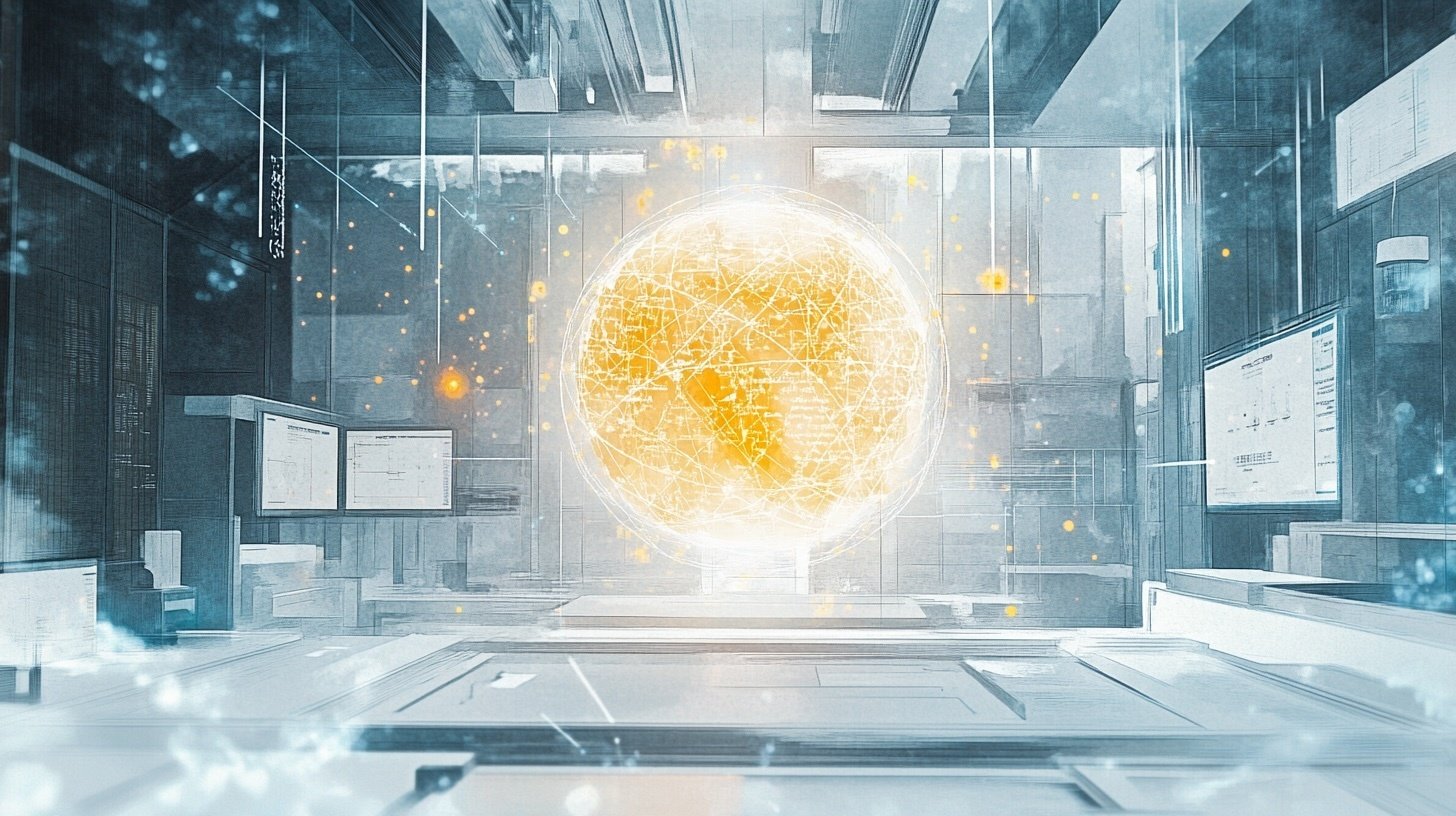
Tether released “QVAC Genesis I,” a synthetic dataset of 41 billion text tokens aimed at training STEM-focused AI models, and introduced QVAC Workbench, an app for running and training models locally on phones and desktops. The company said the dataset was validated on education and science benchmarks and is available worldwide from today.
The launch covers two parts. The dataset is designed to strengthen reasoning for mathematics, physics, biology and medicine, using a multi-stage generation and filtering pipeline. The companion app supports on-device chat and training and keeps interactions local by default. It also enables “Delegated Inference,” which links a user’s phone and desktop directly to tap more compute without sending data to a centralized server.
Tether’s AI unit said the workbench already runs popular open models, including Llama, Medgemma, Qwen, SmolVLM and Whisper, and is available on Android now, with iOS due within days. Desktop builds for Windows, macOS and Linux are live through the project site. The company framed the release as an effort to widen access to training data and move more AI workloads to the edge.
Tether’s AI unit said the workbench already runs popular open models, including Llama, Medgemma, Qwen, SmolVLM and Whisper, and is available on Android now, with iOS due within days. Desktop builds for Windows, macOS and Linux are live through the project site. The company framed the release as an effort to widen access to training data and move more AI workloads to the edge.
Paolo Ardoino, Tether’s CEO, believes intelligence “shouldn’t be centralized” and argued that users should own their data and computation on their own devices. The company positioned QVAC Genesis I as a public resource for researchers and developers looking to pre-train or fine-tune models for STEM tasks without relying on proprietary corpora. Same-day coverage summarized the dataset size and the app’s local-first approach.
Background context places the launch inside Tether’s broader local-AI push in 2025, including earlier statements about building a decentralized runtime for agents and tools and open-sourcing wallet components that can be used by people and automated systems. The dataset and app move that plan from concept notes to downloadable artifacts and training material available to the public.
Background context places the launch inside Tether’s broader local-AI push in 2025, including earlier statements about building a decentralized runtime for agents and tools and open-sourcing wallet components that can be used by people and automated systems. The dataset and app move that plan from concept notes to downloadable artifacts and training material available to the public.

Author
Sebile Fane cut her teeth in blockchain by building tiny NFT experiments with friends in her living room, long before the buzzwords took hold. She’s driven by a curiosity for the human stories behind smart contracts — whether it’s a small-town artist minting her first token or a DAO voting on climate grants — and weaves technical insight with genuine empathy.