Sam Bankman-Fried’s appeal finds no sympathy in court
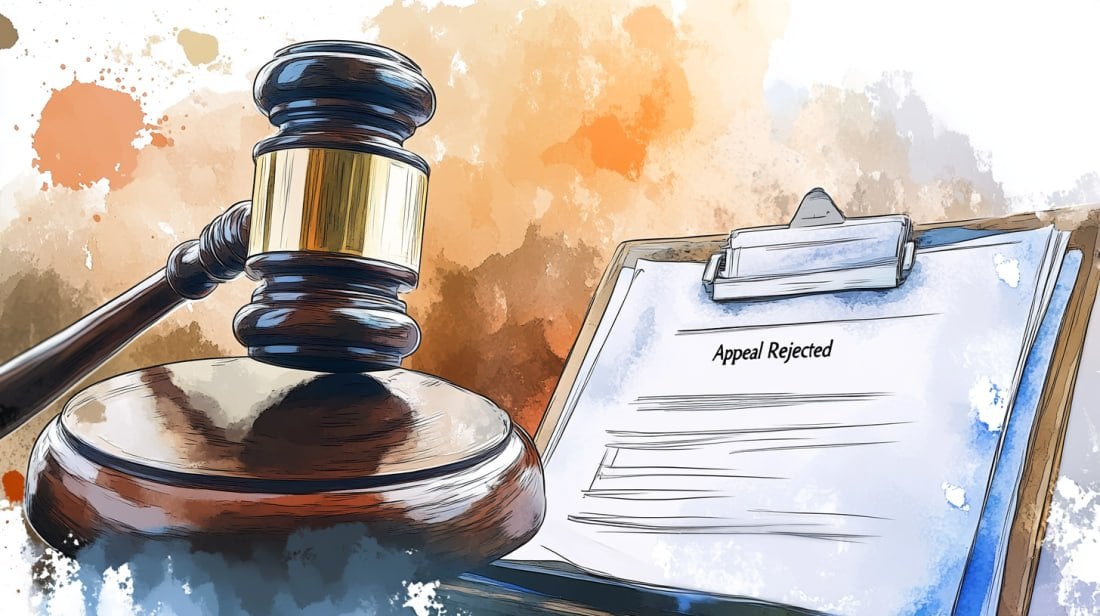
The Second Circuit heard Sam Bankman‑Fried’s appeal on November 4. Despite vigorous arguments from the defence, prospects for relief appear limited.
After Changpeng Zhao’s release, the crypto community shifted focus to the prospect of leniency for Sam Bankman‑Fried. The former FTX chief kept himself in the spotlight through statements and media activity, and he promoted the idea of possible clemency at the White House level, casting himself as a victim of political retaliation.
During the hearing, the appellate panel listened to the defence arguments seeking to revisit the 2023 judgment and admit additional evidence, but the judges expressed clear scepticism toward claims of political bias.
SBF's attorney, Alexandra Shapiro, argued that the trial was fundamentally unfair because jurors did not hear explanations about the role of in‑house lawyers in decision‑making or that the situation reflected a temporary liquidity shortfall rather than misappropriation. The defence also maintained that asset recoveries in the FTX bankruptcy and the repayment of creditors should weigh in the court’s assessment.
The prosecution countered that limiting certain testimony did not deprive jurors of the full picture, pointing to a large evidentiary record and former colleagues’ accounts of systematic use of customer deposits for investments and donations. The judges noted the strength of the government’s case and questioned whether the contested items could have changed the outcome.
During the session, Judges Barrington D. Parker, Eunice C. Lee and Maria Araújo Kahn pressed both sides on what exactly the jury lacked and how different instructions on the advice‑of‑counsel theme would have altered the view. Prosecutors cited testimony from Caroline Ellison, Gary Wang and Nishad Singh as more than sufficient proof of intent.
Both sides ultimately acknowledged that progress on returning customer funds goes to restitution and sentencing rather than guilt itself.
Given the tenor of questioning and the prosecution’s position, the likelihood that the panel will accept arguments about FTX’s solvency and customer repayments as grounds to vacate the judgment appears low.
Payments to creditors alone do not overturn the jury’s findings on intent or the misuse of client assets. For the appeal to succeed, the judges would need to identify a procedural error significant enough to affect the verdict - and none was clearly demonstrated during the hearing.
A decision will be issued later, with timing yet to be announced.


Recommended