EU’s 19th Russia sanctions round may hit crypto exchanges
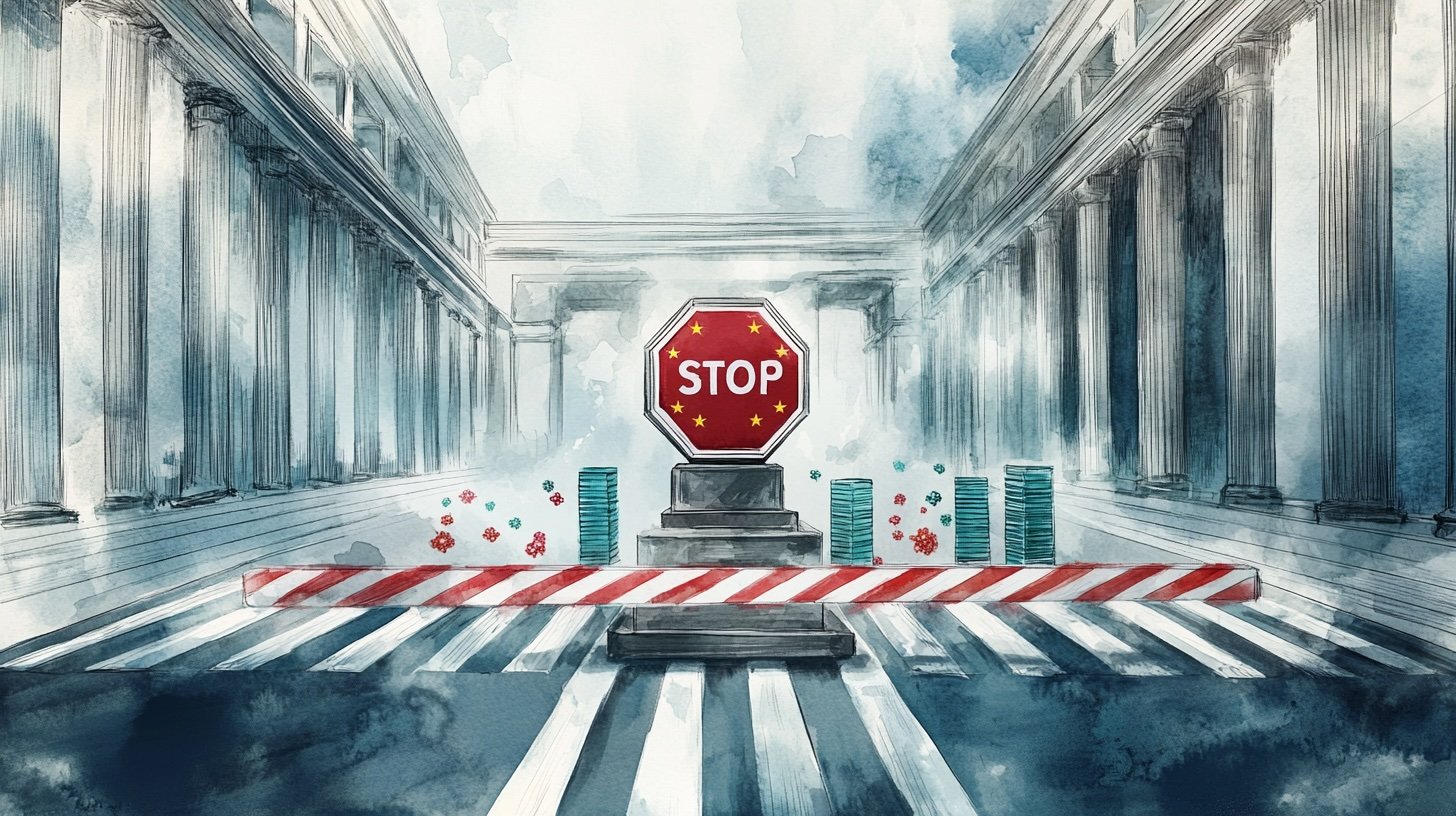
The EU is preparing a new round of sanctions that could hit Russian banks, payment and card systems, crypto exchanges, and oil trade logistics, with coordination talks in Washington this week.
The 19th sanctions package against Russia includes proposed measures that would add roughly half a dozen banks and energy firms to existing restrictions. People familiar with the talks say the draft also considers action against payment and credit‑card systems, crypto exchanges, and tighter curbs on the oil trade.
Brussels aims to align parts of the package with the United States. EU officials travel to Washington this week for coordination meetings on joint steps.
We are prepared to increase pressure on Russia, but we need our partners in Europe to follow,said U.S. Treasury Secretary Scott Bessent on NBC’s Meet the Press.
He added that Washington and Europe are discussing fresh sanctions and secondary tools to intensify pressure.
For the crypto sector, the immediate risk is designation of Russian exchanges and affiliated counterparties and a corresponding tightening for EU‑regulated virtual asset service providers (VASPs). If adopted, measures could restrict direct interaction with listed platforms and push banks and payment processors to harden fiat on‑/off‑ramps, increase sanctions screening, and block flows tied to sanctioned entities.
Energy measures under discussion include expanding the crackdown on Russia’s shadow tanker fleet, targeting oil traders in third countries, and a possible ban on reinsuring listed vessels. In parallel, the U.S. has weighed options that cover sanctions on the covert fleet and on Rosneft and Lukoil. Any such steps would complicate financing and settlement around sanctioned shipments, including stablecoin‑mediated routes, if the counterparties fall within scope.
To curb circumvention, the EU is also considering deploying its anti‑circumvention tool for the first time, potentially against Kazakhstan, to block imports of specific machines that the bloc’s data show are diverted to Russia for weapons production. Additional elements under review include stricter export bans on goods and chemicals for Russia’s military industry, trade limits on foreign suppliers (including some in China), as well as restrictions on visas, ports handling shadow vessels, and AI‑related services with military implications.
The package remains subject to change as capitals debate the scope and legal text. No final list of targeted crypto platforms is public, and timelines are not confirmed.


Recommended