Eric Trump: ‘Stablecoins will save the US dollar’
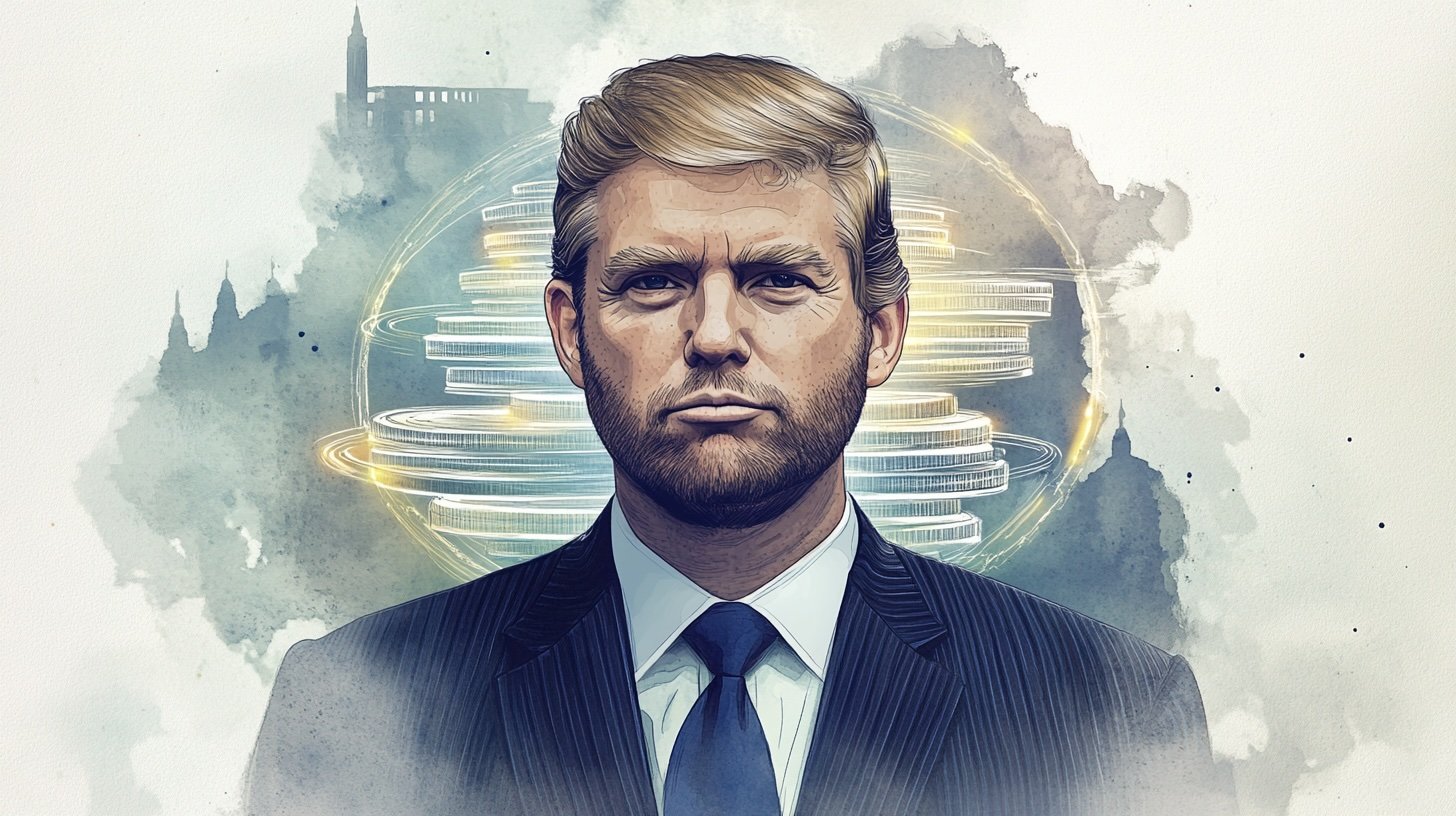
Eric Trump advocates for stablecoins. In a new interview with Lydia Moynihan (NYNext), he called them a tool that could "save the US dollar," citing USD1, the dollar-backed stablecoin from his company World Liberty Financial.
Trump Jr.'s main idea is that dollar stablecoins can expand the reach of the US currency. "Stablecoins will save the US dollar," he says. He also notes that crowdfunding and tokenization allow projects to rely less on traditional financial gatekeepers.
His partner, Asher Genoot of American Bitcoin, who brought the company to a Nasdaq listing in just five months, also emphasized Bitcoin's role. For example, their company is "more than a miner," with the goal of permanently increasing the "bitcoin per share" metric. In his vision, American Bitcoin is a "unified platform": mining, BTC treasury storage, and eventually a line of tokenized products.
Both promote the idea of "parallel finance." According to Trump, tokenized assets and P2P rails help bypass banking banking restrictions and politicized "bottlenecks." "You can crowdsource everything," he says, citing the growth of direct retail participation as an example of reducing fees and dependence on intermediaries.
Trump divides his projects by roles. American Bitcoin is a bet on Bitcoin as "digital gold." World Liberty Financial is payment infrastructure, whose flagship is the USD1 stablecoin. "Bitcoin is a store of value, and USD1 is payment rails," he clarifies, emphasizing that WLFI relies on Ethereum for international transfers.
Critics see the risk of conflict of interest: the current president's family supports a stablecoin they issue, while the administration shapes policy. Earlier this year, a group of Democratic senators asked for clarification on possible conflicts around WLFI and whether new regulation leaves room for personal gain. Supporters respond that stablecoins strengthen dollar usage abroad, and clear rules will return activity to American jurisdiction.
This logic is not new in the industry. Federal Reserve Governor Christopher Waller has suggested that well-regulated dollar stablecoins could expand the US dollar’s international reach. Critics warn that overly lenient rules could shift dollar dynamics and encourage competing payment systems. The topic enters the mainstream as corporate treasuries and public crypto companies promote tokenization use cases.
Their company mines around the clock in the US; the task is to constantly increase the amount of BTC on the balance sheet, while studying tokenized financing schemes tied to real assets. The emphasis is on growth without classic Wall Street underwriting and without waiting for political approvals.
In conclusion, Trump calls USD1 "very successful" at the current stage and emphasizes transparency of backing. According to him, demand arises organically: users abroad need a dollar equivalent where local currencies are not trusted. All this is part of a longer course to make cryptocurrency payment rails mainstream.


Recommended