Crypto execs meet U.S. senators as market structure bill stalls
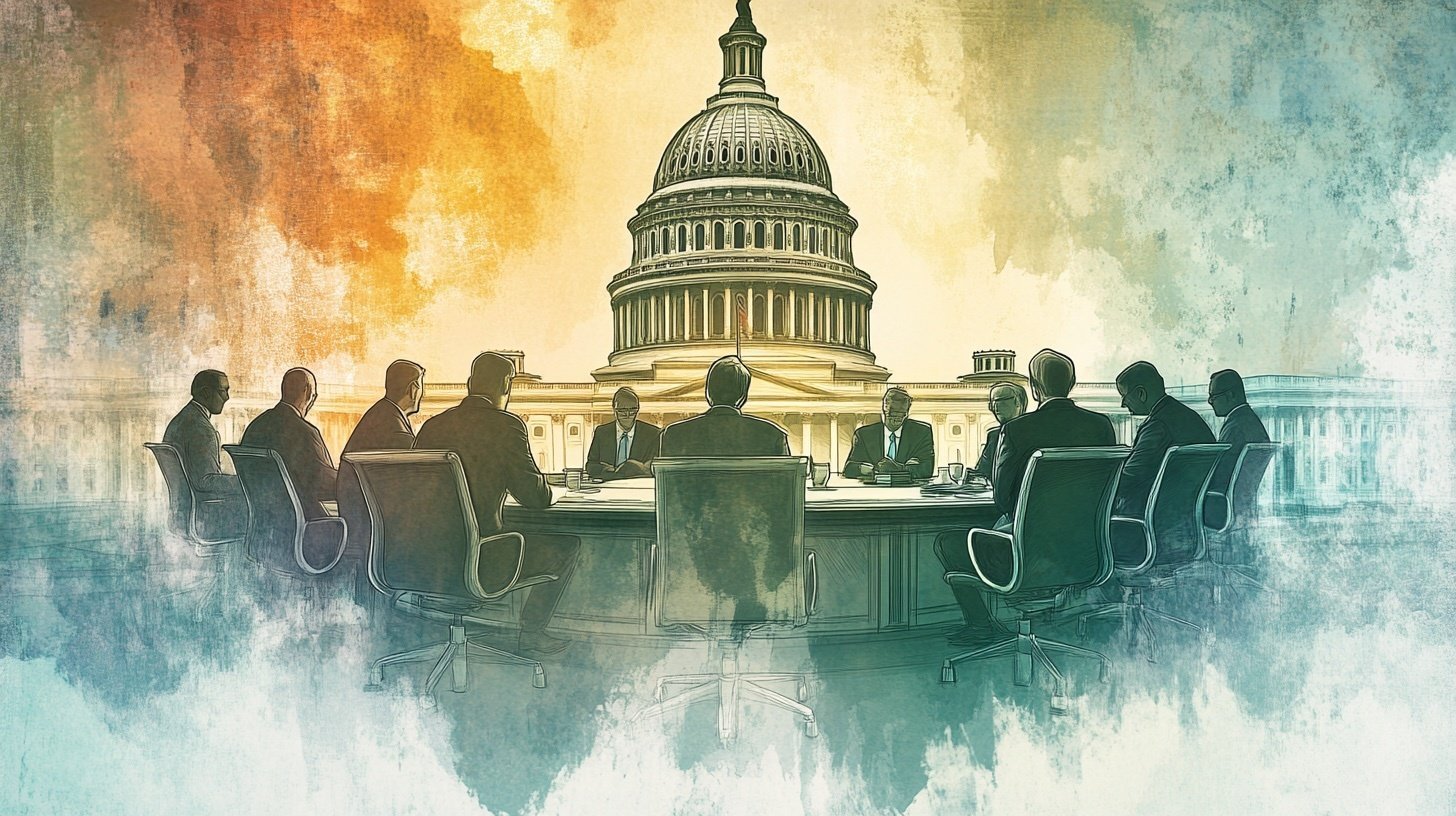
Executives from firms such as Coinbase Global Inc. and Chainlink Labs joined senators, including Tim Scott, Kirsten Gillibrand and Chuck Schumer, to explore how the U.S. should classify digital assets, regulate DeFi platforms and divide oversight between the Securities and Exchange Commission (SEC) and the Commodity Futures Trading Commission (CFTC).
A coalition of crypto heavy-hitters, including Coinbase Global CEO Brian Armstrong, Solana Policy Institute President Kristin Smith, Galaxy Digital CEO Mike Novogratz, Jito Labs CLO Rebecca Rettig, a16z Crypto Head of Policy Miles Jennings and Circle CSO Dante Disparte gathered at Capitol Hill on October 22, 2025 to convene with aforementioned Senate Democrats.
In the initial meeting with Senate Democrats, tensions emerged when a leaked six-page draft proposal that would allow the Treasury to define when an entity “exercises control or sufficient influence” was criticized by industry participants as effectively banning DeFi. A subsequent session with Republicans was more cooperative, but the process remains stalled.
In the initial meeting with Senate Democrats, tensions emerged when a leaked six-page draft proposal that would allow the Treasury to define when an entity “exercises control or sufficient influence” was criticized by industry participants as effectively banning DeFi. A subsequent session with Republicans was more cooperative, but the process remains stalled.
At issue today are several contested provisions that hold the key to turning ambition into law. One major battleground is token classification: draft legislation aims to delineate when a digital asset is treated as a commodity under the CFTC or as a security under the SEC, but disagreement remains over how “mature blockchain” should be defined and whether retail tokens should automatically fall under one regulator. Another flashpoint is custody and self-custody rights, with proposals seeking to protect individual hardware wallet use while ensuring intermediaries comply with bank-like regulations.
In parallel, the Senate Banking Committee is debating an alternative draft – the Responsible Financial Innovation Act – that retains more power for the SEC via an “ancillary asset” category and expands SEC jurisdiction. The result is two competing frameworks in Congress, delaying a clear consensus and raising regulatory uncertainty for the crypto ecosystem.
In parallel, the Senate Banking Committee is debating an alternative draft – the Responsible Financial Innovation Act – that retains more power for the SEC via an “ancillary asset” category and expands SEC jurisdiction. The result is two competing frameworks in Congress, delaying a clear consensus and raising regulatory uncertainty for the crypto ecosystem.
A third domain of friction lies in DeFi and governance, where certain drafts propose exemptions for decentralized protocols but leave open how node operators, relayers or sequencers would be regulated or excluded. Further contention revolves around dual-registration requirements, trading-venue rules and whether bank holding companies should be permitted to offer crypto services.
Other contested provisions include custody rules and intermediary registration. The CLARITY Act would require digital asset exchanges and brokers to register with the CFTC, segregate customer funds, comply with capital and reporting standards, and publish source code and transaction history for listings of mature tokens. Critics warn that while these rules aim to bring transparency, the CFTC may lack experience in overseeing retail-facing spot markets compared to the SEC, potentially creating gaps in investor protection.
Previous legislation, including this year’s stablecoin-focused GENIUS Act, cleared hurdles, but the broader market-structure framework must still reconcile versions from the House and Senate and clear jurisdictional conflicts. With the legislative calendar squeezed and a government shutdown complicating timing, the window for meaningful progress may push into 2026.
As this week’s flurry of meetings wraps up, the urgency in Washington is clear but so is the uncertainty. Crypto firms and lawmakers alike stressed that fiscal policy deadlines and investor confidence are at stake, yet key variables – how DeFi gets defined, which regulator takes charge, and the timeline for action – remain unresolved. Until those questions are settled, the path to a comprehensive U.S. crypto framework remains open-ended.
Other contested provisions include custody rules and intermediary registration. The CLARITY Act would require digital asset exchanges and brokers to register with the CFTC, segregate customer funds, comply with capital and reporting standards, and publish source code and transaction history for listings of mature tokens. Critics warn that while these rules aim to bring transparency, the CFTC may lack experience in overseeing retail-facing spot markets compared to the SEC, potentially creating gaps in investor protection.
Previous legislation, including this year’s stablecoin-focused GENIUS Act, cleared hurdles, but the broader market-structure framework must still reconcile versions from the House and Senate and clear jurisdictional conflicts. With the legislative calendar squeezed and a government shutdown complicating timing, the window for meaningful progress may push into 2026.
As this week’s flurry of meetings wraps up, the urgency in Washington is clear but so is the uncertainty. Crypto firms and lawmakers alike stressed that fiscal policy deadlines and investor confidence are at stake, yet key variables – how DeFi gets defined, which regulator takes charge, and the timeline for action – remain unresolved. Until those questions are settled, the path to a comprehensive U.S. crypto framework remains open-ended.

Author
Sebile Fane cut her teeth in blockchain by building tiny NFT experiments with friends in her living room, long before the buzzwords took hold. She’s driven by a curiosity for the human stories behind smart contracts — whether it’s a small-town artist minting her first token or a DAO voting on climate grants — and weaves technical insight with genuine empathy.