China defends rare-earth curbs amid 100% tariff threat
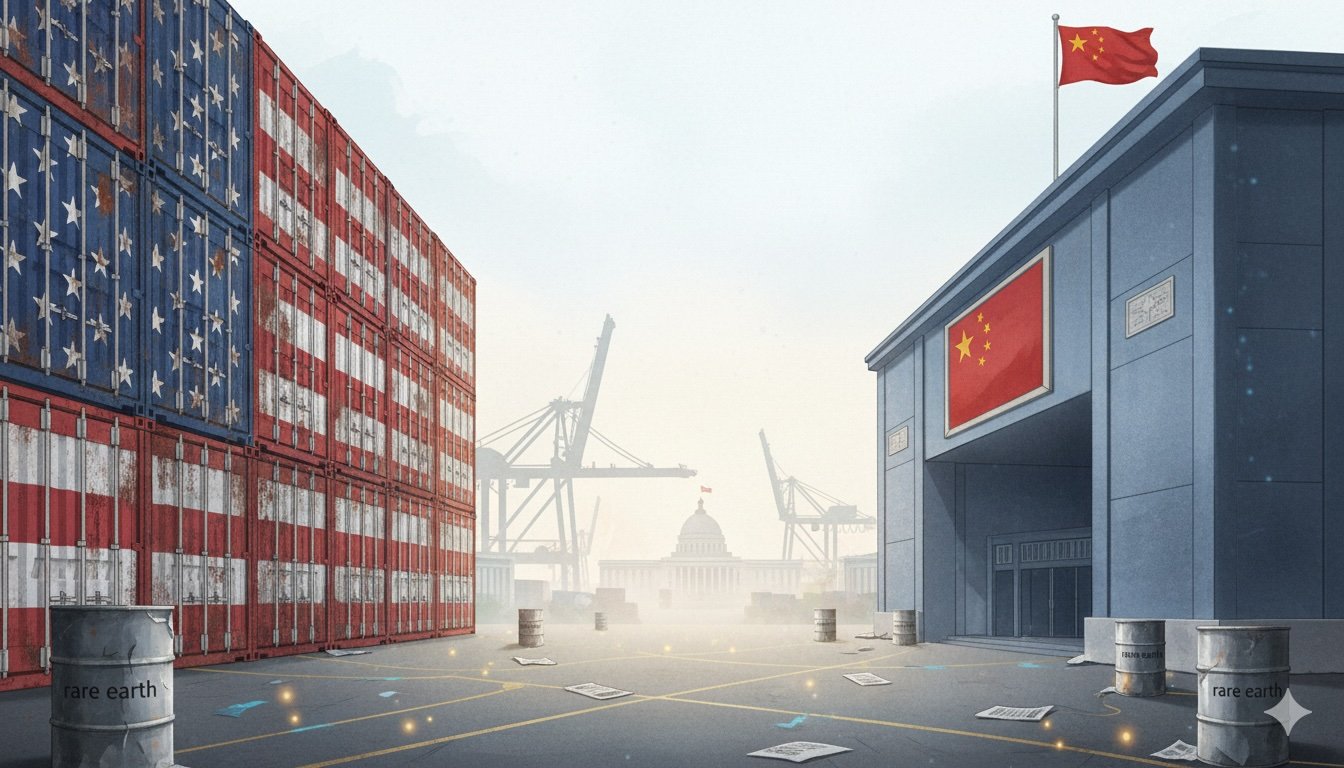
China's Ministry of Commerce rejected U.S. President Donald Trump's threat to impose 100% tariffs on Chinese imports starting November 1. In a statement issued Sunday, October 12, the ministry defended its new export controls on rare-earth materials as lawful security measures, not blanket bans.
The ministry called Trump's tariff threat "not the correct way" to engage with China. Officials said the rare-earth restrictions respond to military-use risks and recent U.S. actions against Chinese firms.
Beijing has not announced matching tariffs yet but said it would take "corresponding measures" if pressured. The ministry stated that manufacturers seeking rare-earth exports for civilian purposes can apply for licenses, which will be approved if applications meet requirements.
China produces over 90% of the world's processed rare earths. Recent export controls added holmium, erbium, thulium, europium and ytterbium to controlled lists. These elements are used in defense systems, magnets, and advanced electronics.
The ministry framed the rare-earth controls as targeted restrictions tied to defense concerns, citing recent U.S. actions. Washington added Chinese firms to export-control lists in recent weeks and imposed port fees on China-linked ships. China said its measures respond to these restrictions.
"We do not want a tariff war but we are not afraid of one," the ministry said in its statement. "Frequently resorting to the threat of high tariffs is not the correct way to get along with China."
Taiwan's economy ministry said the latest rare-earth curbs are not expected to significantly affect the island's semiconductor production, though broader supply chains could face disruptions. The renewal of trade tensions threatens to complicate a planned leaders' meeting later this month.

Author
Has been exploring the enigmas of the crypto industry since 2017, transforming them into accessible narratives. Relies on dark chocolate and nuts as a secret source of energy and inspiration.