California bans liquidation of unclaimed crypto assets
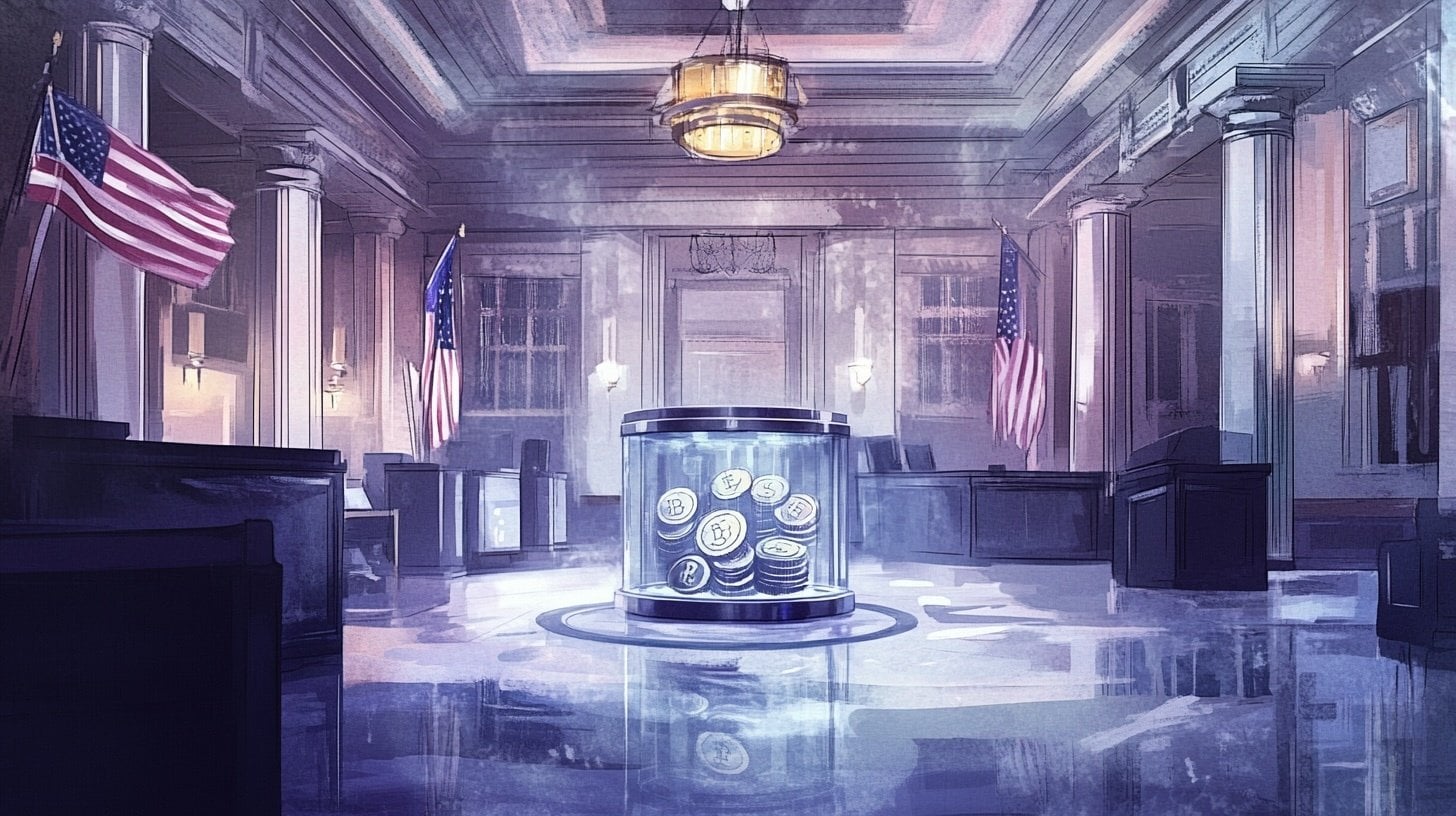
California Governor Gavin Newsom has signed two bills – Assembly Bill 1052 and Senate Bill 822 – into law, updating the state’s Unclaimed Property Law to cover digital financial assets such as cryptocurrencies.
The legislation, signed October 14, 2025, requires that unclaimed crypto assets left inactive for three years on custodial platforms be transferred to the state in their original form rather than sold or converted to cash. The rule applies to digital assets including Bitcoin and Ethereum and is aimed at preventing the forced liquidation of unclaimed crypto.
Under the law, the State Controller’s Office will appoint licensed custodians to manage and safeguard unclaimed crypto assets. These custodians will be responsible for storing the holdings securely until their rightful owners reclaim them. The Controller may liquidate the assets only if no claim has been made within 18 to 20 months after the account becomes unclaimed.
Senator Josh Becker, who sponsored the legislation, said the framework clarifies how dormant crypto accounts should be handled under California’s property reclamation system. The law classifies digital financial assets as intangible property, removing uncertainty about their legal treatment when unclaimed.
Under the law, the State Controller’s Office will appoint licensed custodians to manage and safeguard unclaimed crypto assets. These custodians will be responsible for storing the holdings securely until their rightful owners reclaim them. The Controller may liquidate the assets only if no claim has been made within 18 to 20 months after the account becomes unclaimed.
Senator Josh Becker, who sponsored the legislation, said the framework clarifies how dormant crypto accounts should be handled under California’s property reclamation system. The law classifies digital financial assets as intangible property, removing uncertainty about their legal treatment when unclaimed.
The passage of the two bills makes California one of the first states to formally define procedures for holding and managing unclaimed crypto assets under state custody.
Similar initiatives are emerging across the United States as regulators begin to define how digital assets fit into existing property and financial laws. Several states, including Wyoming and Texas, have already introduced frameworks for recognizing digital assets as personal property and allowing state-chartered banks or custodians to hold them on behalf of clients. New York and Florida are also reviewing updates to their unclaimed property codes to account for cryptocurrencies and tokenized financial instruments.
At the federal level, the Trump administration has backed several measures aimed at integrating digital assets into the broader financial system. Earlier this year, President Trump signed an executive order directing federal agencies to standardize custody and tax treatment for cryptocurrencies held on U.S.-based platforms.
The administration is also supporting new legislation that would recognize digital assets as protected property under federal law, aligning with state efforts like California’s to clarify ownership and custody rights for crypto holders.
Similar initiatives are emerging across the United States as regulators begin to define how digital assets fit into existing property and financial laws. Several states, including Wyoming and Texas, have already introduced frameworks for recognizing digital assets as personal property and allowing state-chartered banks or custodians to hold them on behalf of clients. New York and Florida are also reviewing updates to their unclaimed property codes to account for cryptocurrencies and tokenized financial instruments.
At the federal level, the Trump administration has backed several measures aimed at integrating digital assets into the broader financial system. Earlier this year, President Trump signed an executive order directing federal agencies to standardize custody and tax treatment for cryptocurrencies held on U.S.-based platforms.
The administration is also supporting new legislation that would recognize digital assets as protected property under federal law, aligning with state efforts like California’s to clarify ownership and custody rights for crypto holders.

Author
Sebile Fane cut her teeth in blockchain by building tiny NFT experiments with friends in her living room, long before the buzzwords took hold. She’s driven by a curiosity for the human stories behind smart contracts — whether it’s a small-town artist minting her first token or a DAO voting on climate grants — and weaves technical insight with genuine empathy.


Recommended